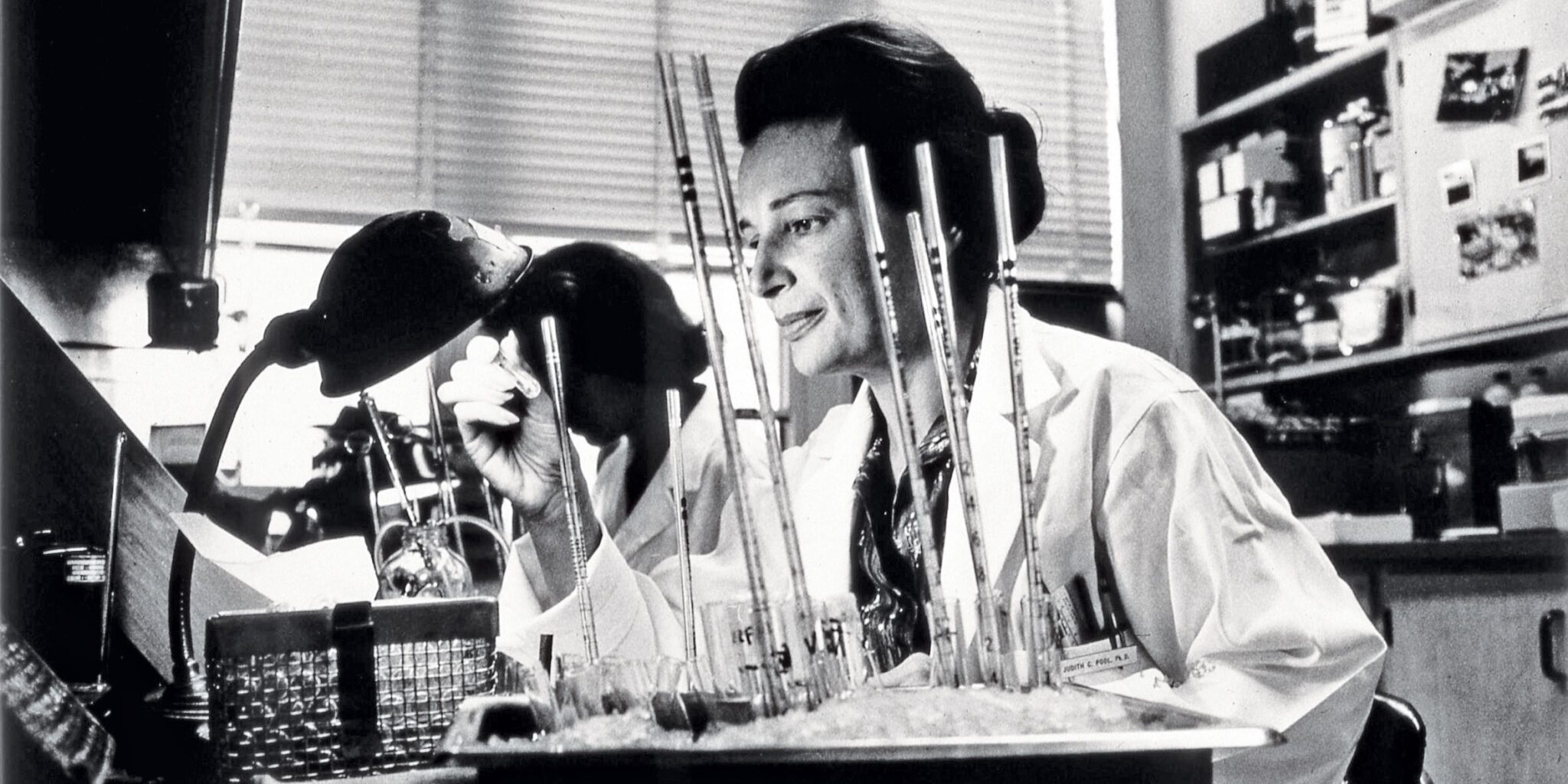

In the early 1900s, blood could not be stored. People with hemophilia who required transfusions usually received fresh whole blood from a family member. The life expectancy of patients was only 13 years. Physiologist Judith Pool was the one to revolutionize the treatment of hemophilia by developing a concentrate that can be frozen and used when needed. This allowed patients with hemophilia to receive injections at home, reducing hospitalization time and treatment costs. Learn more about the invention and its author at i-queens.
Productive scientific activity
Judith Ethel Graham Pool was born on June 1, 1919, in Queens, to a Jewish family of a schoolteacher and a stockbroker. Judith completed her higher education at the University of Chicago, where she studied biochemistry. Pool started her scientific career as an assistant at the same university. Subsequently, she taught at Hobart College in New York while working on a dissertation on the electrophysiology of muscle fibers.
Together with neuroscientist Ralph Gerard and another Hobart College researcher, Pool published a paper in which scientists described the use of a microelectrode to record electromagnetic pulses in frog muscle fibers. Gerard later continued this research and was nominated for the Nobel Prize in 1950.
In 1946, Pool finally received her PhD. After completing her degree, she and her family relocated to California, where she worked at the Stanford Research Institute. In 1953, the scientist began studying blood coagulation at Stanford School of Medicine. After earning a scholarship, she went to Oslo, the Norwegian capital.
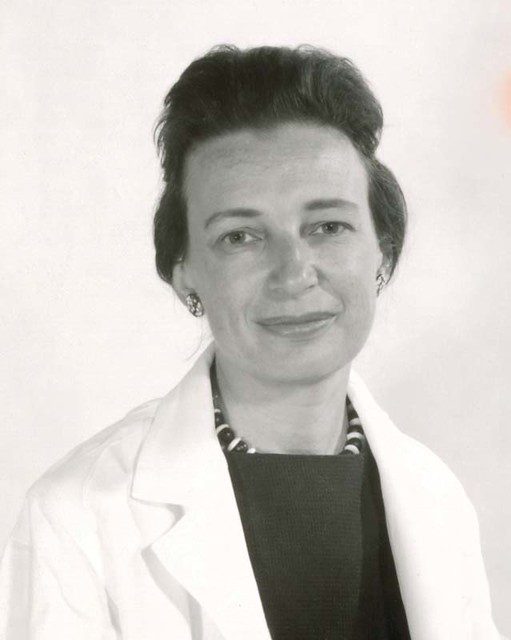
In 1954, Pool published the first article on hemophilia, an incurable orphan disease that causes the blood to lose its capacity to clot normally due to insufficient protein circulation. The condition is distinguished by the development of hemorrhages in the joints, muscles and internal organs. Patients with severe hemophilia are susceptible to disability due to recurrent hemorrhages.
Until 1972, Judith worked as a professor at Stanford University. In addition to conducting scientific research, Pool worked to improve opportunities for women in science. She organized and led the Professional Women of Stanford University Medical School, and, together with endocrinologist Neena Schwartz, she founded the Association for Women in Science.
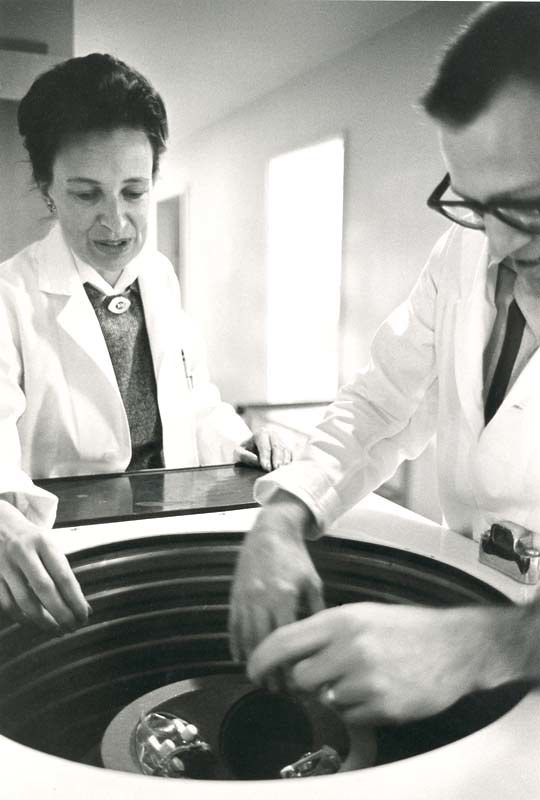
What made Pool’s discovery innovative?
Until the early 1960s, fresh frozen plasma was transfused directly to non-hemophilic patients in hospitals. However, since it contained so little of the essential blood clotting component, the product had to be injected in large doses. This caused severe bleeding. Intracranial hemorrhage could have been fatal. Then the life expectancy of a person with severe hemophilia was less than 20 years.
In 1965, Judith Pool published an article on cryoprecipitation. She discovered that the precipitate that remains after plasma thawing contains a high concentration of antihemophilic globulin, also known as factor VIII. It is an essential blood-clotting protein used in blood transfusions. F8 can be obtained without the use of special equipment, and it can be re-frozen and stored for up to one year. The finding enabled hemophilia patients to be treated in any facility or even in their own homes.
Pool’s key finding was that F8 can be simply and cheaply made from human plasma and safely given to patients with hemophilia. The material can be used to stop bleeding in a patient or to prepare the patient before surgery.
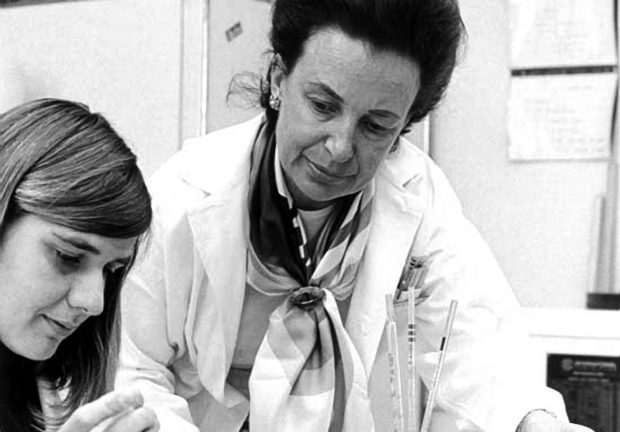
The commercial version of the product was released in the United States as a F8-rich fibrinogen concentrate. In 1965, it cost around 17.5 cents (0.175 US dollars) per unit. The concentrate has since become available in most public blood banks.
By the mid-1980s, it was confirmed that HIV/AIDS may be transferred through the use of blood and blood products, including those used to treat hemophilia. Approximately half of hemophilia patients in the United States subsequently contracted HIV through contaminated blood products. Hepatitis C virus infection was also spread via contaminated factor products collected from the blood of hundreds of thousands of donors.
The situation changed in the 1990s. Then, stricter screening methods and improved methods of virus inactivation were introduced. In addition, pharmaceutical companies began to produce recombinant synthesized factor products that could prevent nearly all forms of disease transmission during replacement therapy.
Until 1995, a preventive treatment regimen was widely used for children with hemophilia, with treatment administered 2-3 times per week. Since the introduction of prevention, most children in developed countries experienced less pain and injuries caused by chronic bleeding. As a result, they got a chance to have a long, healthy and active life.
At the same time, some children develop antibodies to the F8 infusion product. In 1997, the development of a workaround provided these patients with an alternate solution to reduce bleeding and joint injury. At the start of the twenty-first century, new recombinant products were developed that did not contain human or animal plasma derivatives, lowering the risk of allergic reactions.
By the way, hemophilia is also known as the “royal disease” since it afflicted the royal families of England, Germany, Russia and Spain in the nineteenth and twentieth centuries. It is thought that Queen Victoria of England had hemophilia B. She passed on the disease to her three children. After Victoria, the disease was passed down through three generations of royals.
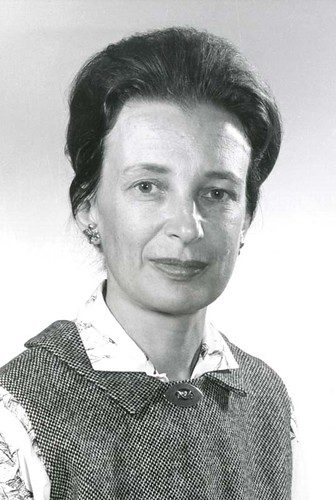
Pool’s contributions to physiology are equally noteworthy. Judith, in particular, established ways for measuring the electrical potential of an individual muscle fiber inside a membrane. Now, these methods are applied all around the world.
Recognition
The value of Pool’s contribution to science is well recognized by the scientific community. Judith was invited to give lectures by a number of institutions. She was a member of the scientific advisory committees of the National Institutes of Health and the National Hemophilia Foundation. The latter titled its scholarship the “Judith Graham Pool Research Fellowship” in honor of the innovator.
The scientist won various awards, including the Murray Thelin Award from the National Hemophilia Foundation and the Elizabeth Blackwell Award. She also received prizes from Hobart and William Smith Colleges, the University of Chicago and other institutions.
Personal life
While studying at the University of Chicago, Judith married political scientist Ithiel de Sola Pool. In the 1940s, the woman gave birth to two sons, which is why she left graduate school. The marriage lasted until the 1950s.
Twenty years after the birth of her second son, Judith had a daughter. In 1972, she married professor of medicine and hematology Maurice Sokolow. However, this marriage was also short-lived: the couple divorced 3 years later. The scientist died at the age of 56 from a brain tumor. At the time of her death, she was widely respected in the field of hematology.