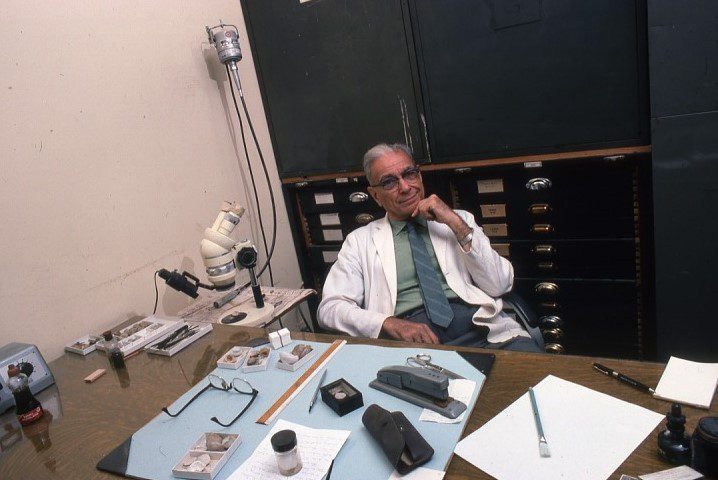

Gustav Arthur Cooper became a prominent authority on the systematics and stratigraphy of Paleozoic brachiopods. His research on these unique marine animals provided valuable insights into determining the geological age of strata. Through his work, Cooper enhanced both public and scientific understanding of Earth’s biological and ecological history. More on i-queens.com.
Childhood and Education
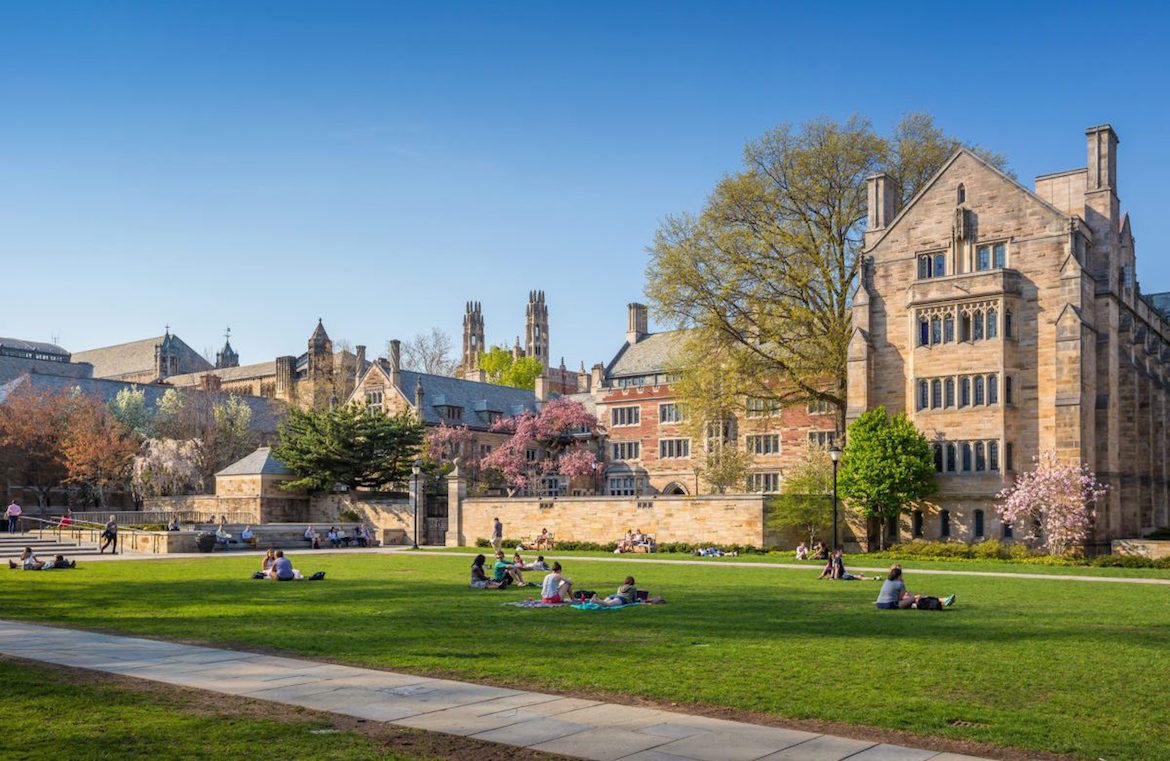
Gustav Arthur Cooper was born on February 9, 1902, in the working-class neighborhood of College Point in Queens, New York. As a child, he developed a fascination with the natural world, collecting insects and minerals. In 1926, he earned a master’s degree in chemistry and geology from Colgate University. Three years later, he received a PhD in geology from Yale University, one of the oldest and most prestigious institutions in the United States.
Under the mentorship of Charles Schuchert, Cooper focused on studying fossil brachiopods—marine invertebrates with bivalve shells. These creatures, often found in areas with calm waters and low currents, have a sedentary lifestyle. Despite their superficial resemblance to mollusks, brachiopods belong to a distinct group.
At Yale, Cooper concentrated on the stratigraphy of the Hamilton Group, a geological formation from the Devonian period located in the Appalachian region. This group, rich in marine shales, is named after Hamilton, New York, and represents some of the oldest layers in the Devonian shale sequence.
While at Yale, Cooper also worked in the Division of Invertebrate Paleontology at the Peabody Museum of Natural History, one of the largest university-affiliated natural history museums in the world. During this time, he met his future wife, Josephine. The couple married in 1930 and later moved to Washington, D.C.
Scientific Career
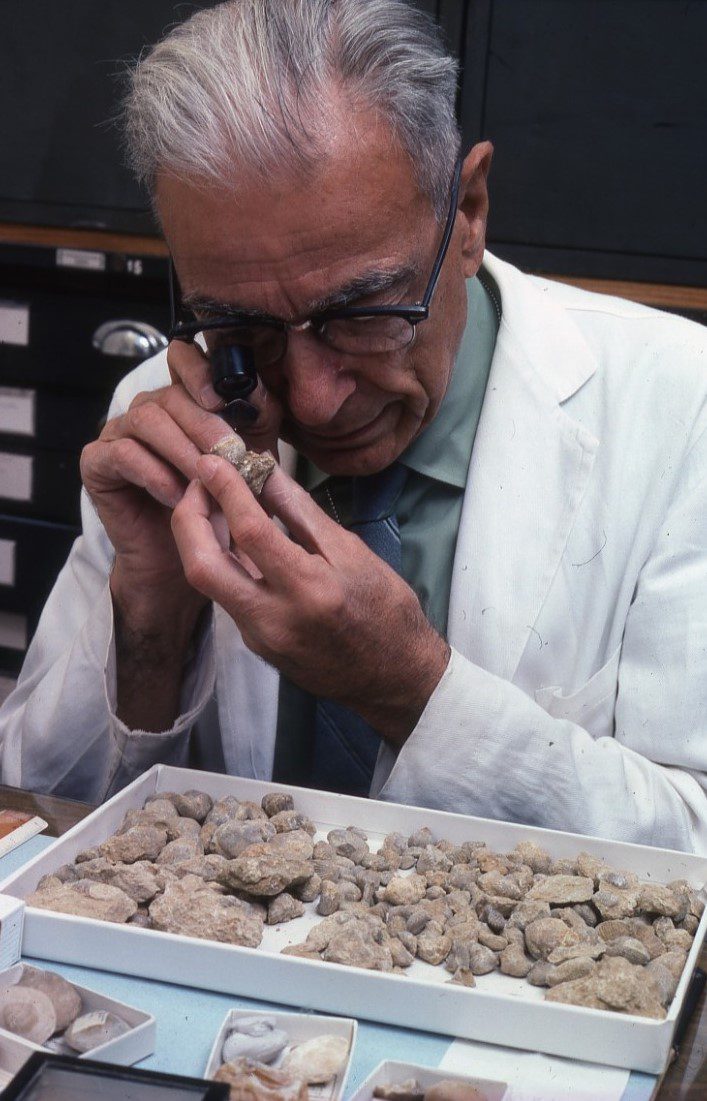
In 1930, Cooper began working at the Smithsonian Institution, a leading cultural, educational, and research organization in Washington, D.C. Initially, he served as an assistant curator in the Division of Stratigraphic Paleontology. By 1941, he was promoted to assistant curator of invertebrate paleontology and, three years later, became the division’s curator.
In 1957, Cooper was appointed senior curator of the Smithsonian’s Department of Geology. Six years later, he became the head of the newly formed Department of Paleobiology and Mineral Sciences. Under his leadership, the department grew significantly, increasing the number of paleobiologists from two to twenty.
After retiring in 1974, Cooper dedicated his life to paleobiological research. This interdisciplinary field combines Earth sciences with life sciences to study fossils and address questions about molecular evolution and the history of life.
Cooper conducted extensive fieldwork across the United States, Canada, and Mexico, greatly expanding national fossil collections. He also played a pivotal role in creating a laboratory for processing isolated fossils, particularly Permian brachiopods from the Texas mountains. Additionally, he established a photography lab, producing over 50,000 images from collections for scientific study.
Legacy
Gustav Arthur Cooper passed away in 2000 at the age of 98. Over his lifetime, he made significant contributions to paleobiology, assembling a vast fossil collection that continues to serve as a valuable resource for researchers worldwide. His work not only advanced scientific understanding of ancient life but also laid the foundation for future studies in stratigraphy and paleontology.