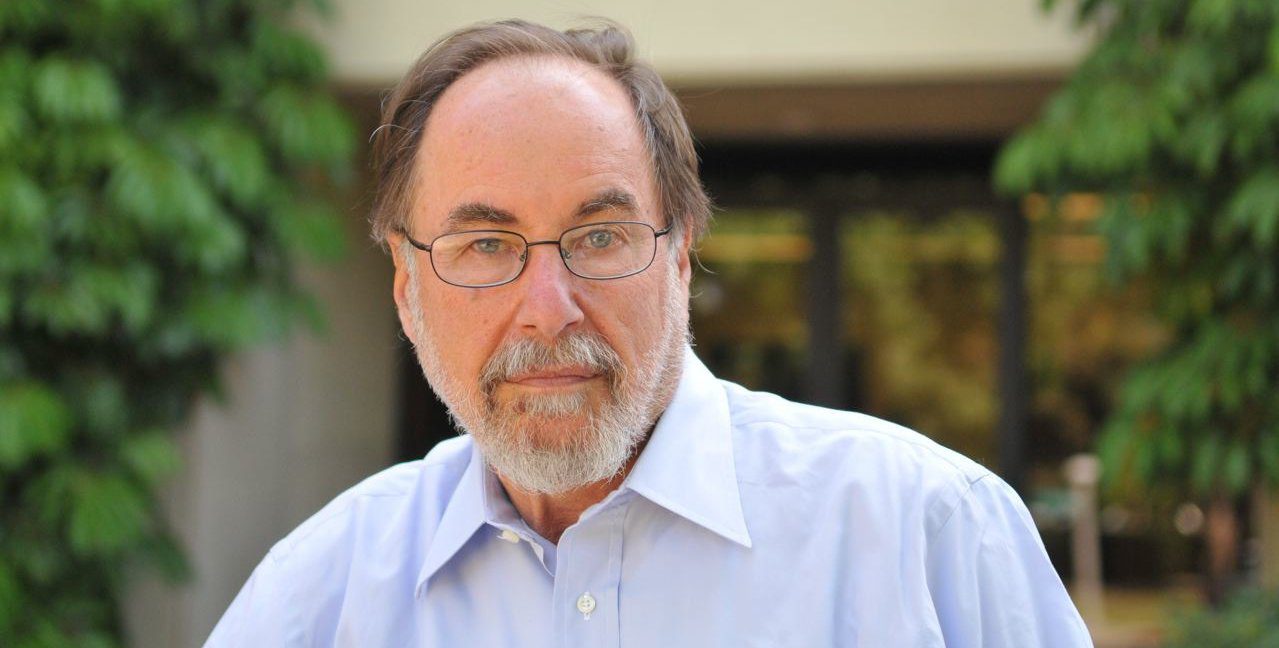

David Baltimore is an accomplished researcher, educator and public advocate for science and technology. He is considered one of the most influential biologists in the world. The recipient of the Nobel Prize in 1975 for his research in virology, Baltimore has had a profound impact on national science policy. In particular, he was involved in research on recombinant DNA and the AIDS epidemic. Read more at i-queens.
Early life
David Baltimore was born on March 7, 1938, in New York City. He grew up in the neighborhoods of Queens, Forest Hills and Rego Park. Since his mother believed that urban schools were not good enough, David moved with his parents to the village of Great Neck in New York State in the second grade.
The boy strictly observed Jewish holidays and attended synagogue, as his father was an Orthodox Jew. In high school, David became interested in biology after spending a summer at the Jackson Laboratory in Maine. It was there that he met Howard Temin, with whom he later shared the Nobel Prize.
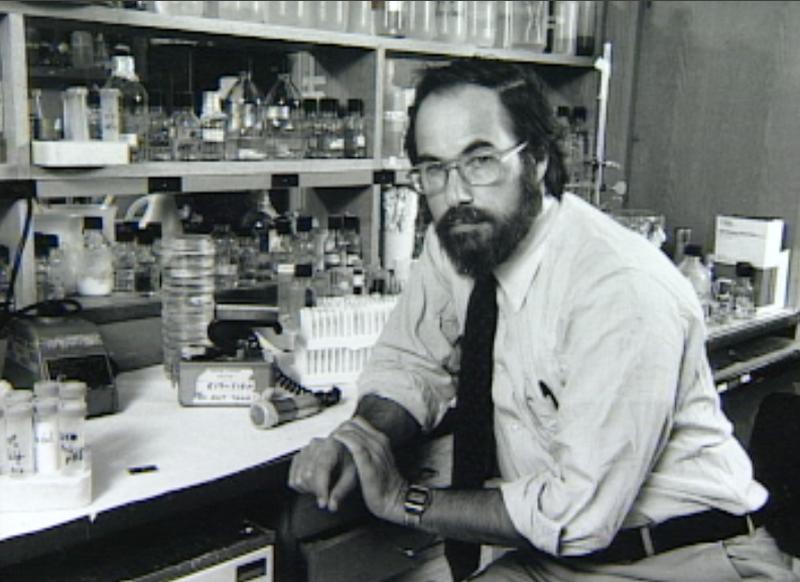
In 1960, Baltimore earned a Bachelor’s degree in chemistry from Swarthmore College (Pennsylvania). Under the guidance of George Streisinger, David spent the summer at the Cold Spring Harbor Laboratory (Long Island). The scientists there encouraged him to apply to the Massachusetts Institute of Technology (MIT), one of the best technical universities in the U.S. and worldwide.
Baltimore did enroll in the graduate program at MIT in 1960. In 1961, he took a course in animal virology at the Cold Spring Harbor Laboratory, after which he earned his PhD from Rockefeller University (New York).
Nobel prize
At the age of 37, the scientist received the Nobel Prize in Physiology or Medicine for his research in virology. Baltimore shared the prize with Howard Temin and Renato Dulbecco. The scientists independently discovered the interaction between tumor viruses and the genetic material of the cell.
Baltimore made a discovery that provided a key to understanding the life cycle of retroviruses, such as HIV. He helped the scientific community advance in the study of recombinant DNA and the AIDS epidemic. Recombinant DNA is a DNA molecule that is obtained through genetic engineering (molecular cloning).
Baltimore demonstrated that certain RNA viruses that cause tumors contain an unusual enzyme – reverse transcriptase. This enzyme transcribes RNA into DNA. Until then, it was believed that information could only be transferred from DNA to RNA. Reverse transcriptase played a crucial role in identifying HIV as the cause of AIDS, which subsequently led to the development of several drugs to suppress HIV.

The discovery of reverse transcriptase marked not only a new chapter in cancer research but also had more general and far-reaching biological implications. Knowledge about the functioning of reverse transcriptase proved crucial for understanding retroviruses a few years later. It turns out that the newly formed viral DNA integrates into the infected host cell, which can transform the infected cell into a cancerous one.
Successful career
Baltimore taught at the Massachusetts Institute of Technology for nearly 30 years. During his early research, he studied the molecular processes underlying the ability of the poliovirus to infect cells. This prompted him to work on other RNA viruses, particularly those that cause cancer.
After receiving the Nobel Prize, Baltimore reorganized his laboratory, shifting focus to immunology and virology. In particular, he studied the pathogenesis of the Abelson murine leukemia virus and the differentiation of lymphocytes. The scientist also developed the Baltimore classification system, which classifies viruses into seven groups based on their genome type and replication method.
In 1986, his laboratory discovered the transcription factor NF-κB—a family of protein complexes that control DNA transcription and cell survival. NF-κB is present in almost all types of animal cells and is involved in cellular responses to stimuli such as stress, cytokines, free radicals, heavy metals, ultraviolet radiation and more. Dysregulation of NF-κB is often caused by cancer, inflammatory and autoimmune diseases, septic shock, viral infections and improper immune development.

However, the most important contribution made by the Baltimore laboratory to the field of virology was the discovery of genes that activate recombination. Before its closure in 2019, the laboratory focused on the physiological and pathological functions of microRNAs and the regulation of inflammatory and immune responses in the body.
In 1990, David was appointed as the sixth president of Rockefeller University. He gradually moved his research team to New York and continued to work on studying virology and cellular regulation. After retiring in 1991, Baltimore remained on the faculty of the university and continued his research until 1994.
Baltimore served as president of the California Institute of Technology from 1997 to 2006. He was also head of the Joint Center for Translational Medicine and co-founded the Whitehead Institute for Biomedical Research in Cambridge, Massachusetts. The goal of this institution is to improve human health through basic biomedical research.
An early supporter of federal AIDS research, Baltimore was co-chair of the National Academy of Sciences’ Committee on National Strategy for AIDS in 1986. Since 1996, he has been in charge of the National Institutes of Health’s AIDS Vaccine Research Committee.
By 2007, Baltimore was a member of the Independent Citizens’ Oversight Committee at the California Institute for Regenerative Medicine. He helped found Calimmune, a company that uses gene therapy to help patients with chronic and incurable diseases. Additionally, he was involved in creating Immune Design, a company conducting advanced research in immuno-oncology. He is a member of many scientific advisory boards, including the Broad Institute, the Ragon Institute, Regulus Therapeutics and others.
Awards and legacy
In 1970, the researcher received the Gustav Stern Award in Virology, followed by the Eli Lilly and Co. Award in Microbiology and Immunology in 1971, the National Medal of Science in 1999 and the Warren Alpert Foundation Prize in 2000.
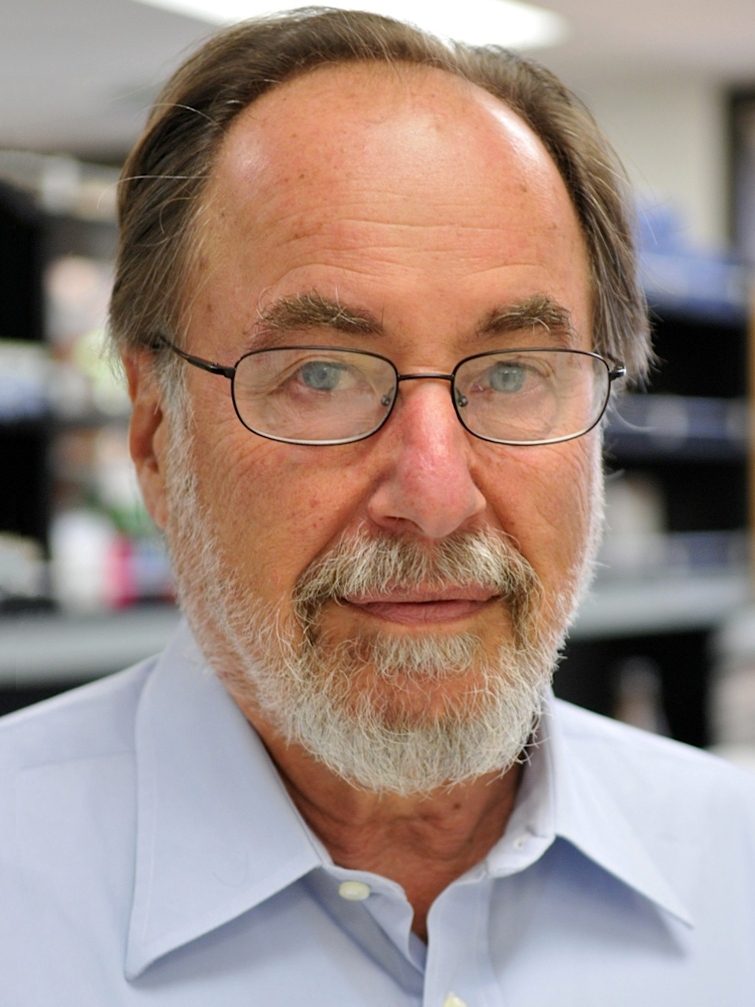
In 1974, the New Yorker became a member of the National Academy of Sciences of the USA, the American Academy of Arts and Sciences and the Institute of Medicine of the National Academy of Sciences. In 1984, he joined the American Association of Immunologists and, in 1997, the American Philosophical Society. In 2019, Caltech named a graduate fellowship program in biochemistry and molecular biophysics in honor of Baltimore.
One of the most influential biologists in the world, David Baltimore, has impacted national science policy regarding recombinant DNA research and the AIDS epidemic. He participated in establishing successful biotechnology companies and contributed to the work of many important scientific organizations.