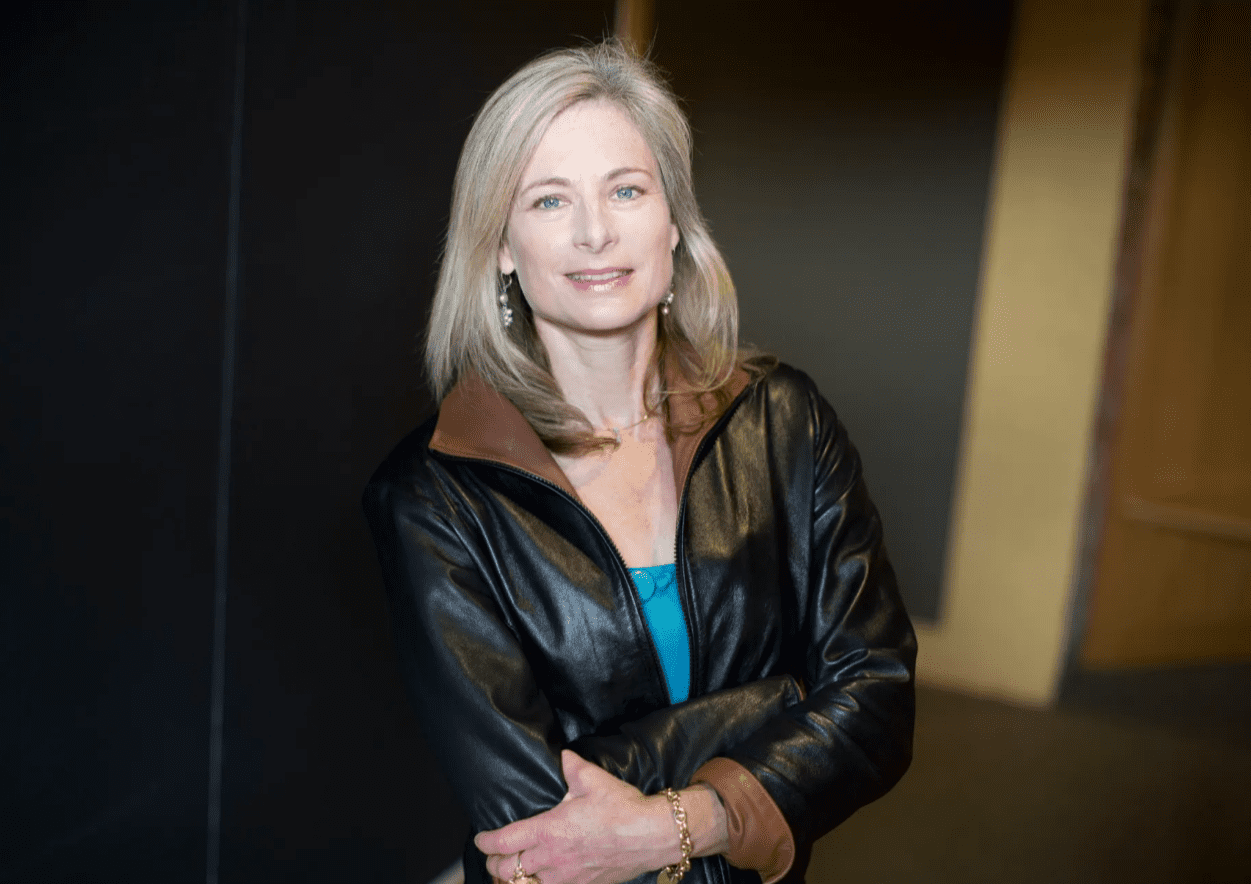

Lisa Randall is an American theoretical physicist who has researched the fundamental forces of nature and the dimensions of space. She spent most of her career studying the universe, eventually becoming a leading expert in particle physics and cosmology. Her most significant accomplishment is the introduction of the Randall-Sundrum model, which was published in 1999. Also, she was the first woman to work in Princeton University’s physics department and the first female theoretical physicist at Harvard. Find out more information at i-queens.
Young genius
The scientist was born on June 18, 1962, in Queens. She was the second of three daughters, the first of whom suffered from an undiagnosed disability associated with Asperger’s syndrome. Lisa loved mathematics as a child since each problem had a clear solution. Nothing was subjective, as opposed to languages, where answers can differ based on interpretation.
Despite her love of mathematics, the girl recognized she did not want to pursue it as her primary profession. She was not interested in spending hours solving math problems, instead she wanted to explore the physical world. She attended Stuyvesant High School and was in the same class as her future colleague, physicist and mathematician Brian Greene. Lisa’s interest in science began in high school, and her urge to learn more about the world has only grown since then. After her first physics class, Lisa felt that science would advance her interests and curiosity.
At the age of 18, Lisa earned first place in the Westinghouse Science Talent Search (research competition for high school students in the United States) for her project on ideal Gaussian integers, a type of complex number. Randall’s alma mater is Harvard University, where she earned a bachelor’s degree in physics and a Ph.D. in theoretical particle physics.
Academic work
While working as a professor of theoretical physics at Harvard University, Randall researched particle physics and cosmology. She later served as a professor at the Massachusetts Institute of Technology and Princeton University before returning to Harvard in 2001.
Lisa put forward numerous theories that helped to understand the properties and interactions of matter. In her time off from lecturing at the university, the scientist investigated the possibility of additional dimensions in our universe beyond the four currently known.
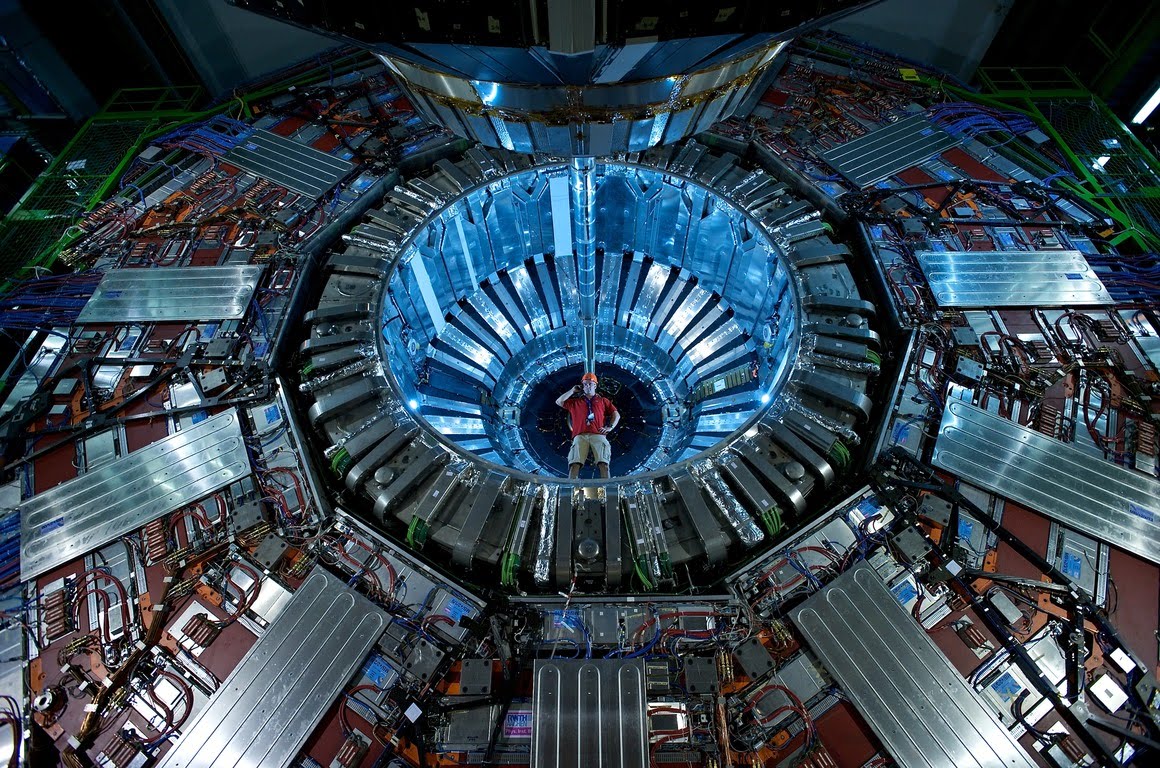
She studied elementary particles, supersymmetry, baryogenesis, cosmological inflation and dark matter. Randall also worked on experimental testing ideas and researched the Large Hadron Collider, the world’s largest particle accelerator created at the European Organization for Nuclear Research near Geneva, Switzerland.
Randall and her colleagues theorized that the charged nature of some dark matter could have created a collapse in the disk that now exists within our disc-shaped Milky Way galaxy. The scientist even put forward a theory that such dark matter attracted a gigantic comet that hit Earth millions of years ago, eliminating the dinosaurs.
Randall consistently advised her students to pursue bold ideas. Lisa’s research has sparked a lot of debate in the theoretical physics community. However, many of her theories have altered our knowledge of how the universe works. Although it is quite scary to explore theories, Lisa was never afraid to experiment and explain unusual phenomena.
Big discovery
In 1999, together with Indian-American theoretical physicist Raman Sundrum, Randall published a theory about the Randall-Sundrum model. This model was created to solve the Higgs hierarchy problem in particle physics. Since then, it has aroused great interest among scientists and acted as a tool for studying the physics of additional dimensions.
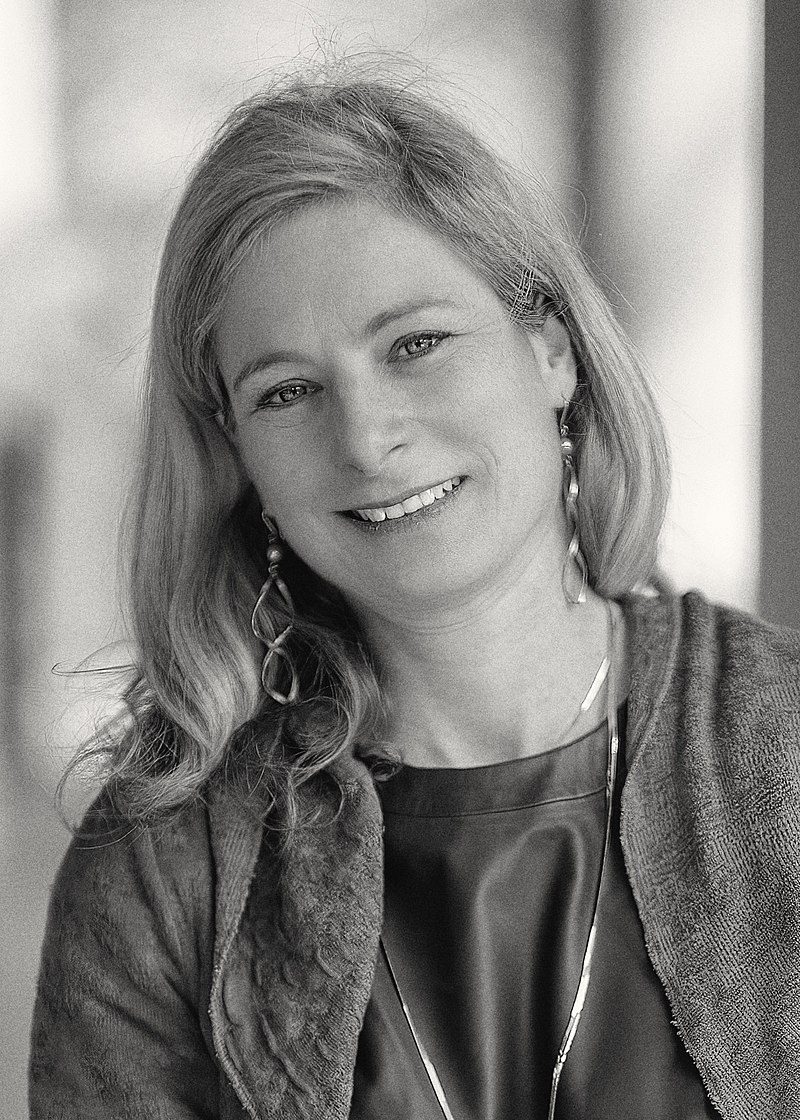
The model depicts a universe of higher dimensions with curved geometry. Scientists devised it because they were dissatisfied with universal models with additional dimensions.
Lectures, events and books
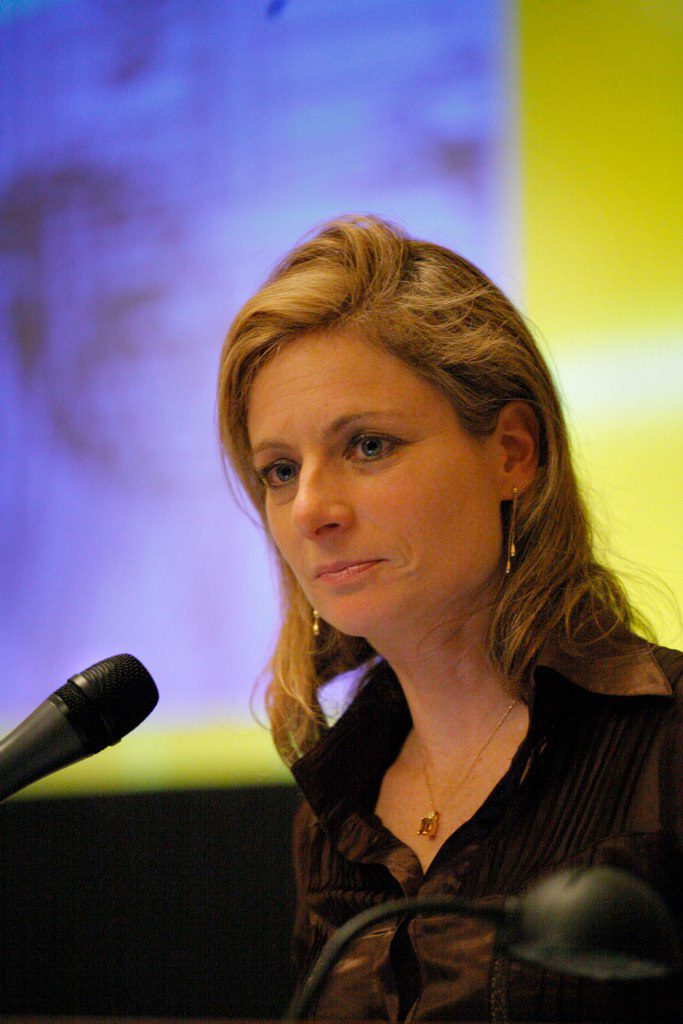
Randall appears frequently in public, giving lectures, speaking on radio and television and organizing events for her audience. She has written many scientific papers, some of which were included in the New York Times list of the 100 most famous books of the year.
Interestingly, the Higgs boson discovery was finished between the hardcover and paperback releases of “Knocking on Heaven’s Door”. Randall mentioned this in one of the books. The discovery of this boson in July 2012 was a major breakthrough in our understanding of the world around us. The Higgs boson is an elementary particle, or quantum, that is responsible for the existence of all elementary particles in our universe. Its presence is one of the reasons why everything we see, including ourselves, the planets and stars, has mass and exists. It is because of this that the boson became known as the “God particle”.
The Higgs boson was discovered at the Large Hadron Collider. Interestingly, Lisa wrote an article expressing her enthusiasm about the upcoming discovery even before the collider began operation. In her books, Lisa provides information in a way that is understandable to all readers. The availability of Lisa’s research allows everyone to get interested in complex ideas of theoretical physics.
Combining physics and art
The scientist’s interests extend beyond research and science, she also enjoys art and promotes new ideas and innovative thinking. She has maintained scientific and artistic connections on numerous occasions, such as writing a libretto for Spanish composer Hèctor Parra’s opera “Hypermusic Prologue”.
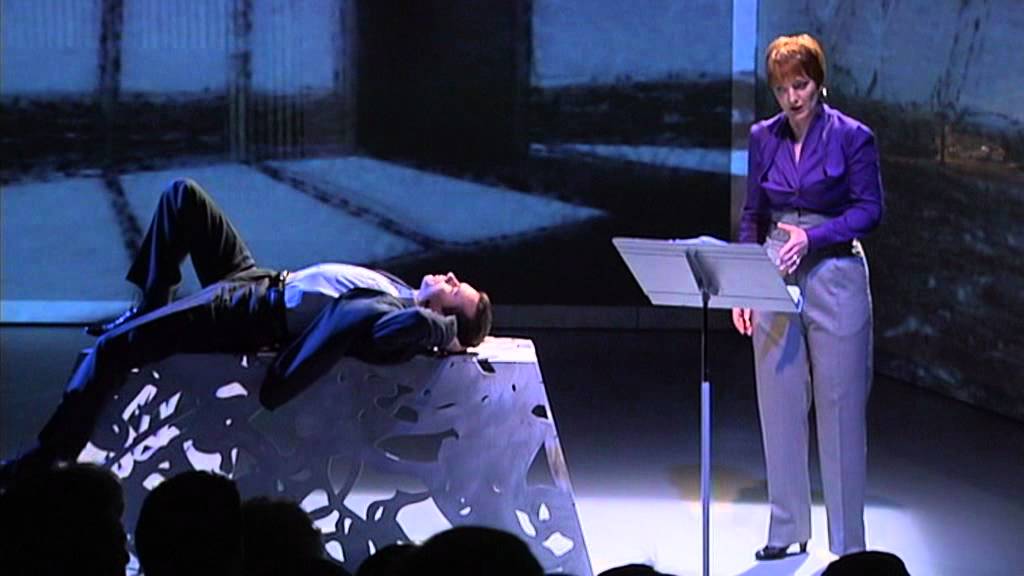
“Hypermusic Prologue” is a new form of opera that combines the world of art and scientific research of cosmological models and quantum physics. Randall is a big opera enthusiast, so she agreed to create a libretto about new theories. Opera in the form of a dialogue between a man and a woman seamlessly blends the voices of two soloists. It’s a musical journey into the deepest parts of ourselves, our own “hidden dimensions.”
In addition, Randall took part in a few art exhibitions as a curator. In 2012, the American Institute of Physics recognized her contributions to the cultural, artistic and humanistic dimensions of physics with the Andrew Gemant Award.
Recognition
The research has established the Queens native as one of the most cited and influential theoretical physicists. She has won multiple awards for her achievements. Randall became a member of the National Science Foundation, the American Philosophical Society, the American Academy of Arts and Sciences and the American Physical Society. Additionally, she is an honorary member of both the Royal Irish Academy and the British Institute of Physics.
In 2005, Seed magazine named Randall a Science Icon, and a year later, Newsweek magazine named her one of the most promising theoretical physicists of the generation. In 2007, Time magazine included the scientist in its list of the 100 Most Influential People. A year later, Esquire magazine featured the scientist on their list of the 75 Most Influential People.
In the male-dominated field of physics, Lisa Randall has debunked many myths about women’s intellectual abilities. She paved the way for future physicists so that any gifted person, regardless of gender, could fully realize their potential.