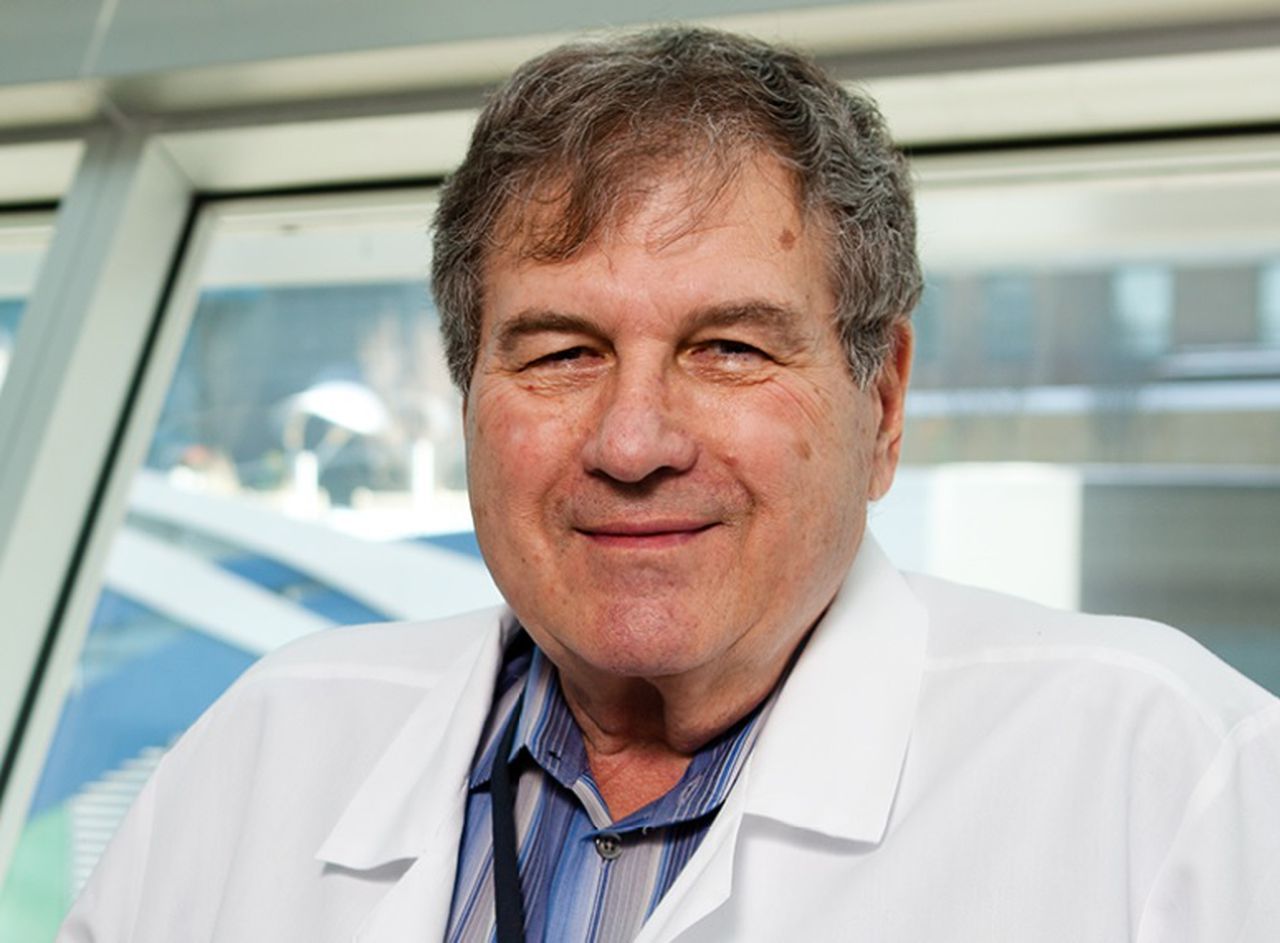

George Vande Woude gained fame for his groundbreaking contributions to virology and oncogene research. He discovered the MET oncogene, which drives malignant tumor growth, and developed methods and ideas that significantly advanced our understanding of the molecular basis of cancer. A visionary and instinctive leader, he was known for his deep compassion, dedication, and the unmistakable passion in his eyes for his work. Learn more about his remarkable achievements below. More on i-queens.com.
Early Life
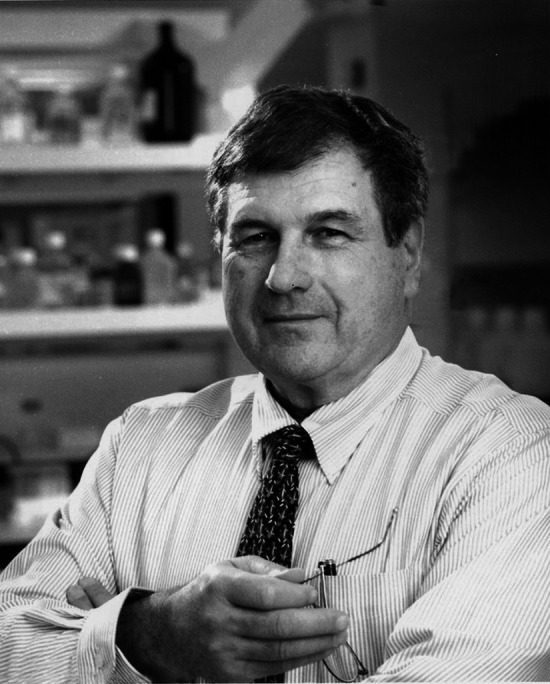
George Vande Woude was born on December 25, 1935, in Brooklyn, New York, but grew up in the Queens Village neighborhood of Queens. He lived just a few blocks away from his future wife, Dorothy.
After serving in the army, George earned a Bachelor of Science degree from Hofstra University in New York. To fund his education, he worked various jobs, including delivering beer by truck and cleaning floors. He later completed his master’s and PhD degrees in biochemistry and physical chemistry at Rutgers University in New Jersey.
From 1964 to 1972, he directed research at the Plum Island Animal Disease Center, a federal facility dedicated to studying foreign livestock diseases. In 1972, he joined the National Cancer Institute, focusing on human tumor studies and the biochemistry of viral tumors.
George and Dorothy owned Stoneridge Farm in Berryville, Virginia, where Dorothy managed daily operations. In 1980, he was appointed head of the Laboratory of Molecular Oncology at the National Cancer Institute, where he concentrated on studying acute retroviruses, oncogenes, and the cellular and molecular mechanisms underlying cancer.
In 1983, he became director of Advanced Biosciences Laboratories at the National Cancer Institute. Over the next 12 years, he assembled a team of leading scientists from various fields of cancer biology, fostering collaboration and innovation aimed at improving lives.
A Groundbreaking Discovery
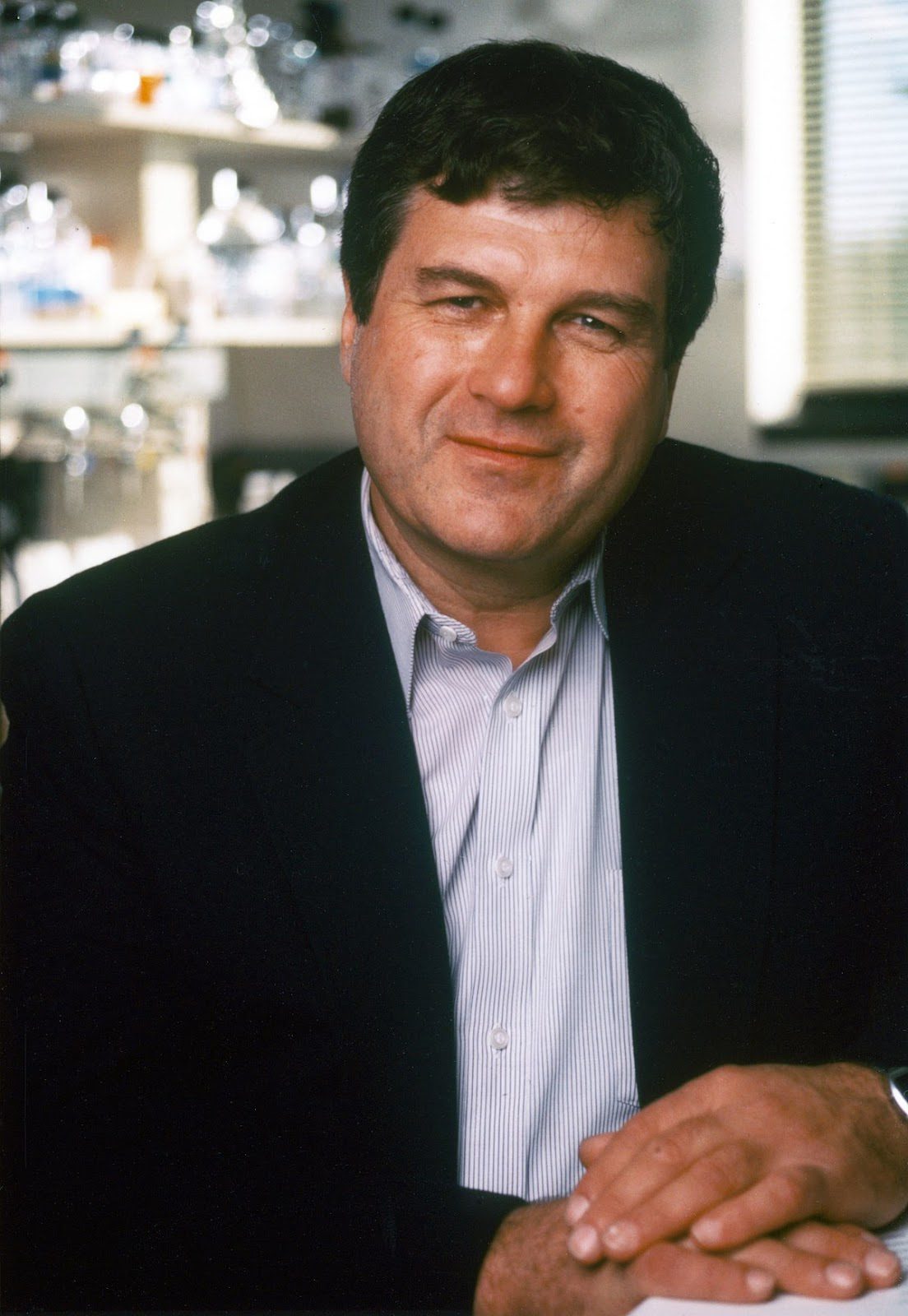
In 1984, George Vande Woude discovered the MET oncogene. Abnormal activation of MET triggers tumor growth, the formation of blood vessels to nourish the tumor, and metastasis. MET is implicated in numerous malignancies, including cancers of the kidney, liver, stomach, breast, and brain. Oncogenes are genes whose activity can lead to tumor development, and the discovery of oncogenes was made possible by studies on retroviruses conducted in the 1970s.
George’s discovery of MET established him as an innovative leader in oncology. His work led to the development of targeted therapies and drugs used in personalized cancer treatment. One of the most significant breakthroughs was the identification of the hepatocyte growth factor receptor tyrosine kinase.
Later Career
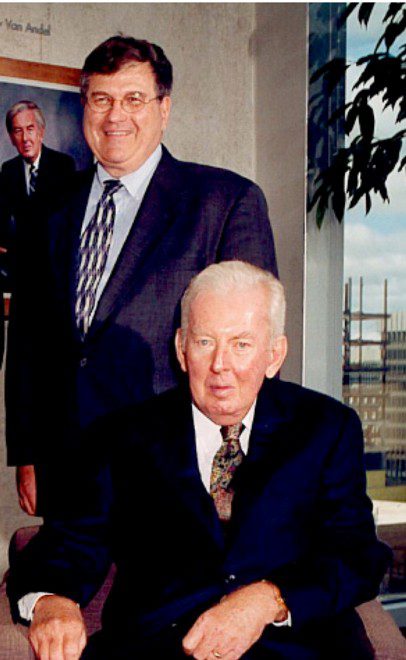
In 1999, at the age of 64, George left the National Cancer Institute to become director of the Van Andel Institute in Michigan. This nonprofit biomedical research and education organization focuses on cancer epigenetics and Parkinson’s disease, a chronic neurological disorder affecting older individuals, particularly those with central nervous system injuries. Groups at high risk include parachutists, military personnel, and boxers.
At the Van Andel Institute, George established a world-class research program, thanks to robust support from the institute’s founding family. He hired top-tier scientists and built a globally recognized research facility known for its graduate training programs and translational science. His leadership spurred the growth of medical research infrastructure in Michigan.
In 2006, he became chair of the AACR Scientific Advisory Board, a role that complemented his expertise and passion for cancer research. By 2009, George shifted his focus to his own laboratory, passing on leadership of the institute’s research programs.
Personal Life and Contributions

George worked tirelessly alongside his wife Dorothy, even arranging for part of their Virginia farm’s livestock to be relocated when they moved to Michigan. Dorothy frequently joined him in his research efforts. Sadly, she passed away in 2016 after a battle with breast cancer. Heartbroken, George found solace in his scientific pursuits.
George was one of the first scientists to explore the role of protein kinases in regulating the cell cycle. Protein kinases modify specific proteins through phosphorylation, a process that adds a phosphate group to a molecule. He also documented the role of the p53 protein in maintaining genomic stability, paving the way for novel cancer treatments.
Legacy and Impact
George Vande Woude passed away in 2021 at the age of 85 after a long battle with Parkinson’s disease. During his nearly 50-year career, he made extraordinary contributions to cancer research, authoring over 300 publications. He was an exceptional scientific administrator, organizing research and fostering groundbreaking discoveries.
In addition to being a prolific scientist, George mentored over 70 graduate students, postdocs, and visiting researchers. He founded the annual Oncogene Meeting in 1985, a forum for presenting innovative cancer research and fostering collaborations that have led to effective treatments.
Colleagues remember George as a humble yet extraordinary figure in science. He had a unique ability to recognize potential in young researchers and served as an inspiring mentor. His international influence on science was complemented by his extraordinary empathy and enthusiasm for life. He often sought out top oncologists for strangers battling cancer, ensuring they received cutting-edge care.
Beyond his professional accomplishments, George was a devoted husband, father to four daughters, grandfather, brother, uncle, and friend. He enjoyed hosting guests at his Virginia farm, leading nature walks, and engaging in various hobbies, including woodworking, beekeeping, and furniture restoration. George’s legacy lives on through his contributions to science and the lives he touched.