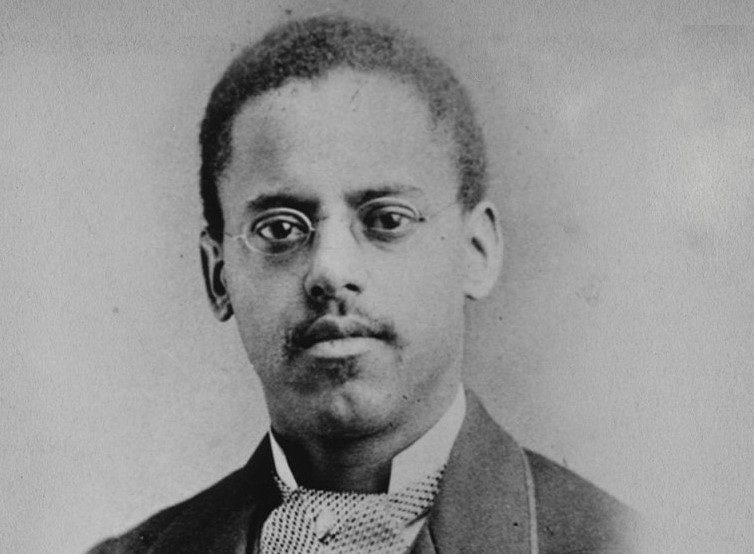

Lewis Howard Latimer is most famous for creating the evaporative air conditioner, a process for producing carbon filaments for light bulbs and a toilet system for railroad cars. The son of runaway slaves, a self-taught craftsman, he proved that through perseverance one can reach extraordinary heights. Read more about the innovator and his creations on i-queens.
Self-taught draftsman
Lewis was born on September 4, 1848 in Chelsea, Massachusetts, into a family of slaves. They managed to escape, although Lewis’ father was enslaved a second time by a former owner. The incident gained local publicity and reached the local Supreme Court. The man was bought out by supporters of the abolition of the death penalty in the United States. Thus, Lewis became a victim of racial discrimination as a child.
At the age of 16, he enlisted in the U.S. Navy (the American Northern States during the American Civil War). He was able to survive a number of bloody battles. After this, Lewis got a job in Boston as an office worker. He worked in a law firm dealing with patents. Then, he earned $3 per week only. Without access to formal education, Lewis taught himself to draw. Thanks to these skills, he was promoted to lead draftsman, after which he was earning $20 per week.
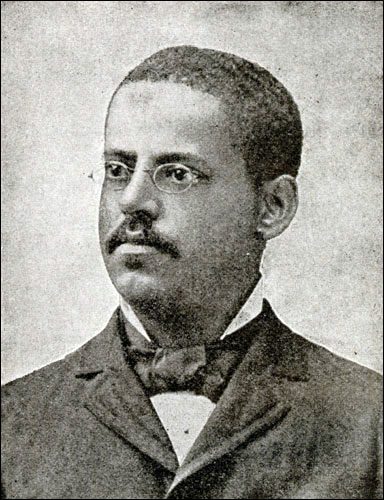
In 1873, he married Mary Wilson. The couple raised two daughters. He was an active member of the African-American community and worked to promote education among black people. For a while, he even taught English and drawing to immigrants in New York’s Henry Street Settlement. He was a Renaissance man: he wrote poems and plays, played the flute and was fond of fine arts.
Collaboration with geniuses
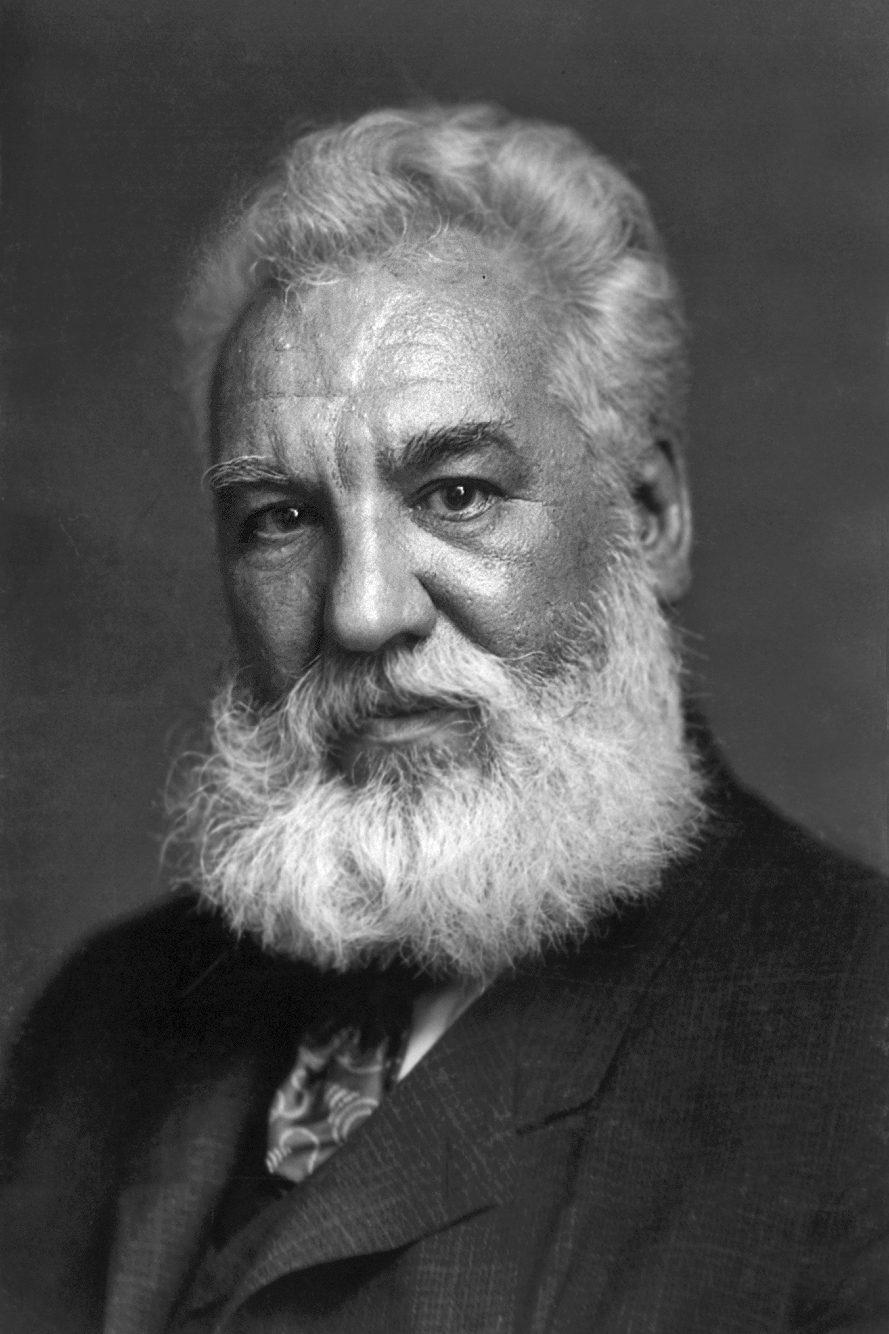
In Boston, our hero developed in many scientific areas. He helped Alexander Bell create the telephone. He developed an efficient transmitter that improved sound quality. In addition, his drawings were crucial to Bell’s obtaining a patent.
Bell was helped to develop the telephone by Latimer’s observation while working with the telegraph. As Bell’s assistant removed the record from the transmitter, Bell heard a rattling sound in the receiver. It turned out that the plate closed and opened an electric circuit. This phenomenon made it possible to invent the telephone.
Our hero also collaborated with Thomas Edison during the development and commercialization of the incandescent light bulb. He developed a durable filament that made light bulbs cheaper than Edison’s original design. These early light bulbs usually had a carbon filament inside a glass bulb. The thread was mainly made of bamboo or paper. Latimer’s innovation made it possible to carry out electric lighting inside houses and on the streets.
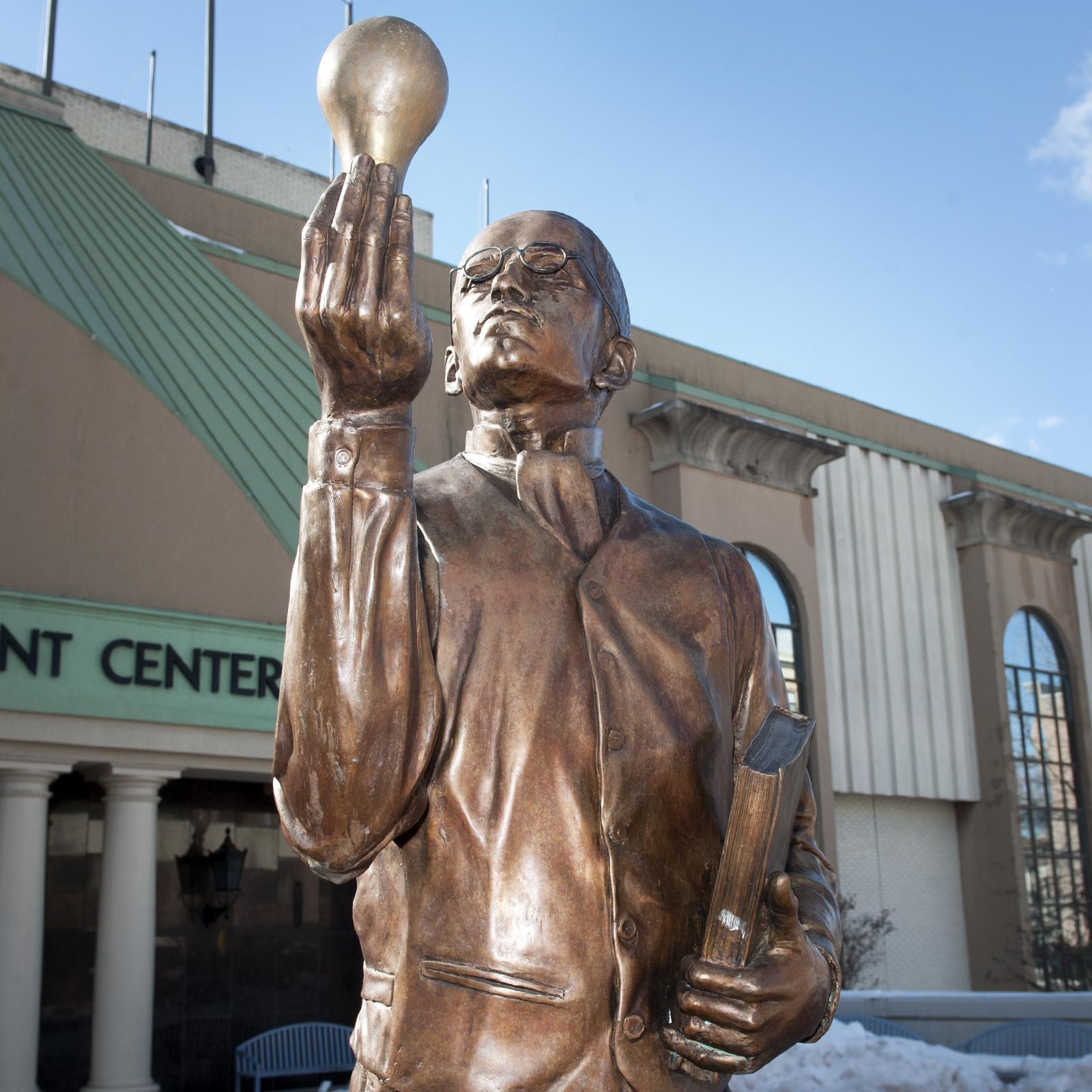
After Lewis became famous, he was often called upon to solve lighting problems in various parts of the country. When the electric light bulb spread to American cities, Latimer was assigned to lead teams of planners. He helped install electric lighting in Philadelphia, New York, Montreal and railroad stations throughout New England.
In 1884, he was invited by the Edison Electric Light Company to serve as a draftsman and expert witness in patent litigation regarding electric light. In addition, he was responsible for the translation of data into German and French, as well as the collection of important information. During this period, Lewis wrote the first book about incandescent lamps.
As for Edison, he is one of the world’s most famous inventors. He issued more than 1,000 patents in the USA only. However, the peak of his inventive career was undoubtedly the incandescent lamp. He was at the origins of America’s electrification. He also created a system for distributing electricity to consumers, a telephone microphone, a voice recorder and a phonograph. He also suggested using the word ‘hello’ at the beginning of a telephone conversation.
According to Edison, home education had the most positive effect on his success. He was taught by his mother, a teacher by profession. The thirst to constantly learn something new developed in Thomas an immense love for reading. He spent almost all his free time reading books. When the school expelled Edison, calling him mentally retarded, his mother lied to her son. She explained his expulsion by the fact that the boy was too brilliant for the educational institution.
In 1879, our hero moved to Connecticut to work as an assistant manager and draftsman in the U.S. Electric Lighting Company. It belonged to Hiram Maxim, a gunsmith, the creator of the Maxim machine gun and Edison’s rival. At this time, Latimer improved the production of carbon filaments. This modification consisted of placing the filament blanks inside a cardboard envelope during the carbonization process.
Inventory activity
In addition to helping others, our hero created own products and received 7 patents, including:
- evaporative air conditioner – a device that cools and disinfects the air thanks to the evaporation of water. It is most useful in hospitals, preventing the circulation of dust in operating rooms. Evaporative cooling is different from other air conditioning systems that use vapor compression or absorption cooling cycles. Evaporative cooling uses the knowledge that water absorbs a relatively large amount of heat to evaporate. The temperature of dry air can be significantly reduced due to the phase transition of liquid water into water vapor (evaporation). This principle is particularly effective in extremely dry climates
- improved system of toilets in railway carriages. Passengers traveling by railroad in the late 1800s had to thank our hero for making travel more comfortable. In 1874, together with Charles Brown, he patented an improved toilet for railway cars. This invention protected passengers from dust and debris rising from the street while using the toilet
- a safe elevator that prevents falling into the mine.
Heritage
Latimer died on December 11, 1928 at the age of 80 in the Flushing neighborhood of Queens, where he had lived for 25 years. Latimer became a symbol of perseverance. He was a genius born for innovation and creativity. Throughout his career, he worked to create new devices to improve people’s lives. Lewis is undoubtedly one of the greatest inventors of his time.
His house in Queens has become a museum. Its mission is to increase community awareness of the contributions of the Latimers and other minorities to American life.

Interactive tours, exhibitions, public events and educational programs are organized here. After the inventor’s death, some of his drawings were found in this house. By the way, Latimer was one of the founders of the Unitarian Church in Flushing. He sought the integration of representatives of all races into public life.