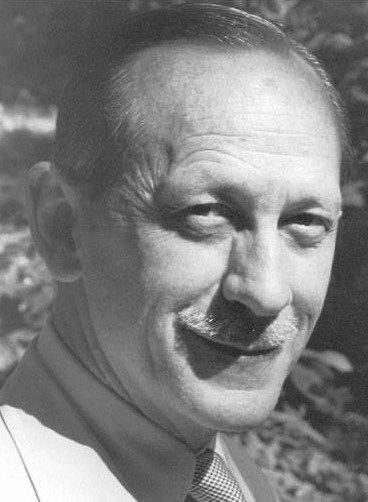

Henry Sherwood Lawrence devoted his life to researching the functions of lymphocytes, the main cells of the immune system. He discovered substances that play a crucial role in protecting the body from various infectious agents. In the 21st century, he discovered tiny molecules, which are the key to health and well-being. He was a highly respected clinician specializing in infectious diseases, as well as a dedicated teacher and role model for young doctors. Read more about the innovator on i-queens.
Early life
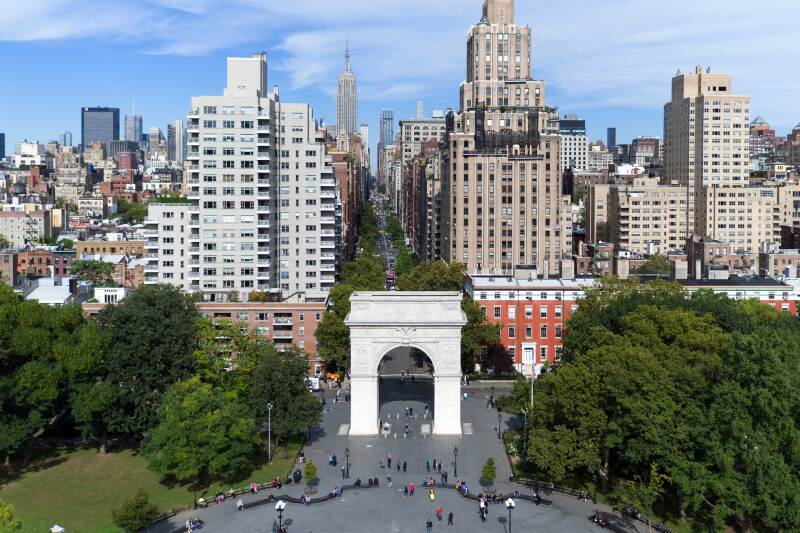
Henry Lawrence was born on September 22, 1916 in Astoria, Queens. His father was a railway employee and his mother was a housewife. After his father’s death in 1937, he became the sole wage earner for his mother and several cousins whose parents lost their jobs during the Great Depression. After work, the boy visited classes at the university without even changing his work uniform. Henry worked at a railway station in New York as an assistant foreman.
Education and military service
In 1938, he entered the New York University School of Medicine and received a partial scholarship of $200 per year. These funds were not enough, so the mother sold her life insurance policies to help her son get an education.
During World War II, Lawrence served as a medical officer on several ships of the United States Navy. He participated in the invasion of Normandy (a region in the northwest of France), the southern part of France and the Japanese city of Okinawa. For his merits, he was awarded the Bronze Star Medal and some other awards. After the war, Lawrence continued his studies. He received his master’s degree in internal medicine from New York University. Internal medicine deals with the prevention, diagnosis and treatment of various diseases in adults.
Career
From 1959 to 2000, Lawrence chaired the Department of Infectious Diseases & Immunology at New York University. In addition, from 1964 to 2000, he served as co-director of medical services at Bellevue University and New York University Hospitals. In 1974-1979, he headed the cancer center of his Alma Mater. In 1989-1994, he was the head of the AIDS research center. In addition, the immunologist created and edited the medical journal Cellular Immunology.
Henry was a true expert on infectious diseases. He studied how the body rejects transplanted organs and how various conditions can damage tissues. Lawrence discovered a connection between the immune response of cells to microbes and transplanted organs.
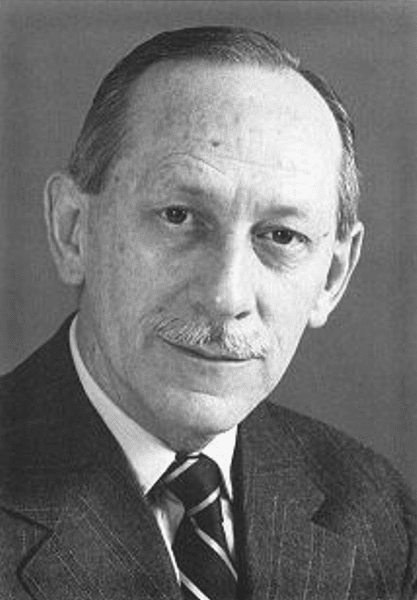
He also investigated many aspects of the functioning of lymphocytes and immune cells. His work provided clues to the further discovery of immune substances known as cytokines. These small peptides and proteins regulate intercellular and intersystem interactions in the body, including cell survival, stimulation or inhibition of their growth, differentiation, functional activity, etc.
As a clinician, Lawrence always emphasized a compassionate and respectful approach to treating patients. He was particularly good with young researchers and was very interested in teaching, mentoring and promoting his colleagues. During meetings with leading scientists, Lawrence always tried to mention his students to help them find career opportunities. He respected the family life of workers and allowed them to bring their children to work.
An important discovery
Other scientists focused on the popular study of shoulder immunity and the nature of immunoglobulins in experimental animals. However, he focused on the human body. He emphasized the role of cellular immunity in human responses to disease and antigenic agents.
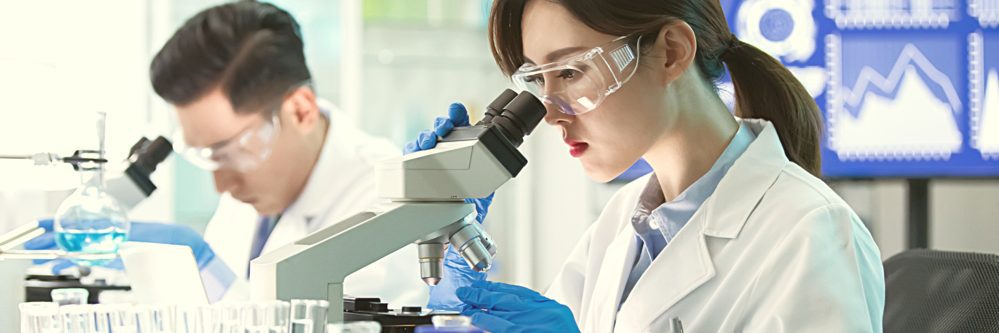
In 1949, he made a very important discovery in the process of studying tuberculosis, which was a serious threat to health. The scientist discovered that the immune response can be transmitted from the donor to the recipient through the injection of an extract of leukocytes (white blood cells). A little later, the scientist came to the conclusion that this immune extract should contain factors that enable the transfer of immunity from the donor to the recipient. He called them transfer factors. These are information molecules that are memory carriers of the immune system.
Further research
After this discovery, active research into this phenomenon began. Scientists believed that this is the best remedy for strengthening the immune system and health. Representatives of more than 60 countries were involved in the research.
In 1986, two scientists discovered that mothers pass transfer factors to their children through colostrum (mother’s first milk). Thanks to this, the child’s immune system can cope with various pathogens. They also discovered that cows do the same. Calves often did not survive if they did not receive colostrum from their mother. In 1989, Gary Wilson and Greg Paddock extracted transfer factors from the cow’s colostrum in a concentrated form. This unique patented technology made it possible to isolate transfer factors for human consumption to strengthen the immune system.
In 1998, David and Bianca Lisonbee launched 4Life Research, a company that creates products based on transfer factors. Natural immune correctors are a source of concentrated low-molecular peptides for improving the functions of the immune system. Scientists at 4Life Research discovered that chicken eggs also contain transfer factors. The mixture of these molecules from cow’s colostrum and egg yolks actually surpasses transfer factors from humans.
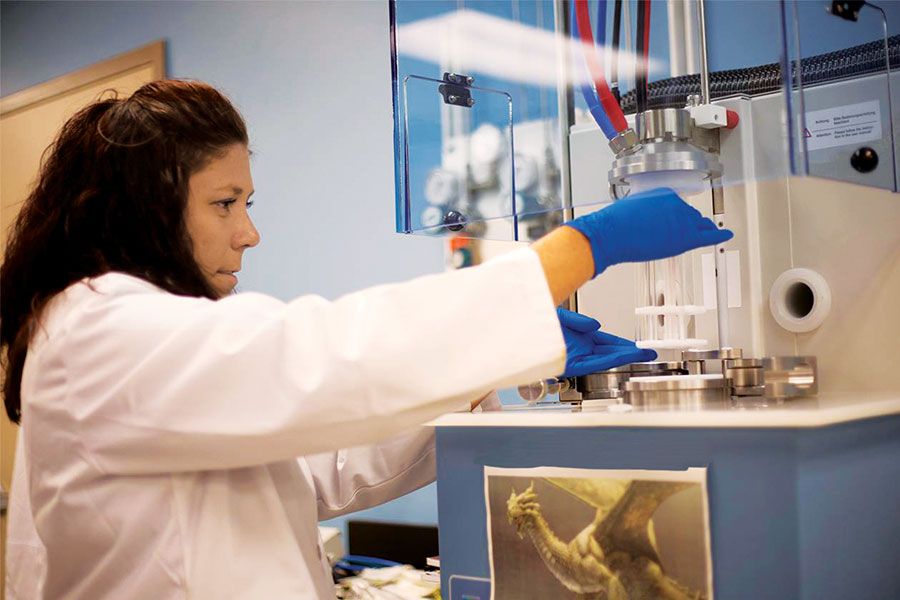
Transfer factors derived from human blood, cow or mouse spleen are not used in standard clinical practice. Instead, those obtained from cow’s colostrum and/or chicken egg yolks are mainly used.
Private life
Lawrence met his wife, Dorothea Weatherby, while she was working in the accounting department of the United China Relief Campaign. The couple legalized their relationship in 1943. They lived a long and happy life. Dorothea often spoke of Lawrence as the best man she had ever met. The couple raised a daughter and a son.
Lawrence was a loving and devoted father. He always listened to children, perceiving them as separate individuals with their own opinion. Henry never showed aggression or superior attitude towards his family members. Once, he was supposed to stay in Paris for a week after a presentation at the Pasteur Institute. However, he surprised his family when he returned the day after the performance. Lawrence missed his family too much, so he could not be away from them for a long time. He brought Dorothea flowers several times a week and regularly left her romantic notes all over the house.
The innovator died on April 5, 2004 in Manhattan at the age of 87. He is remembered as an outstanding doctor, a pioneer in the study of cell-mediated immunity and an exemplary family man. The clinician and teacher became a source of inspiration for immunology students and young doctors.