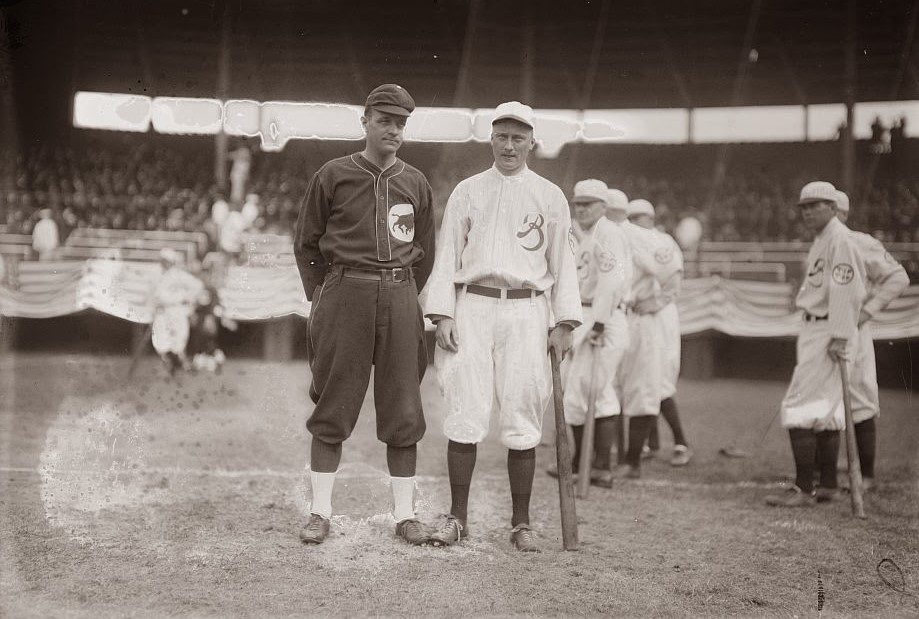

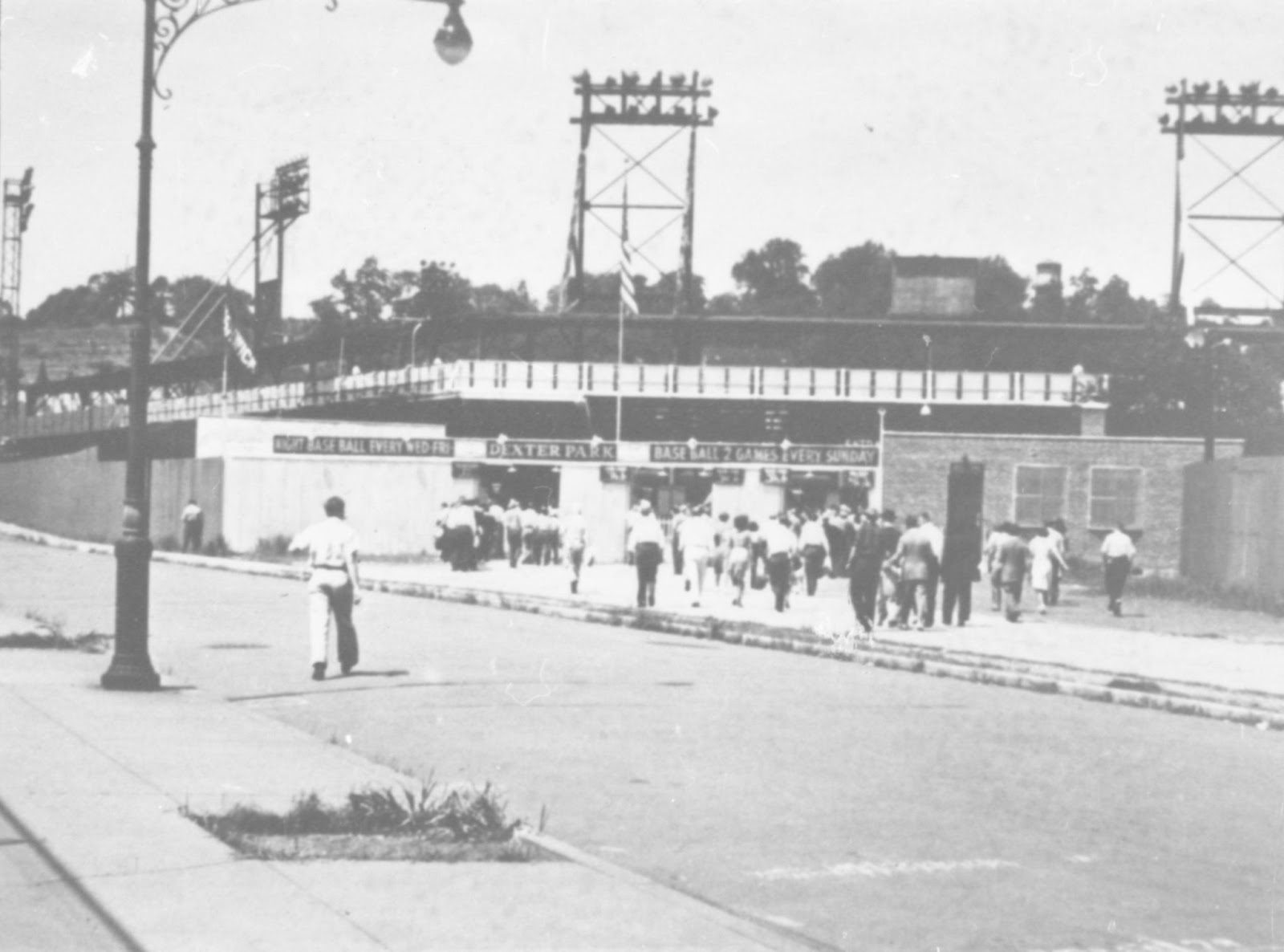
Once located in the Woodhaven area of Queens, Dexter Park was a hub for legendary baseball—and later football—players. Today, a commemorative plaque is all that remains of this sporting center, while a C-Town supermarket parking lot occupies its former grounds. Read more about this historic site on i-queens.
A Recreational Park
The area’s history dates back to the 19th century when it served as a recreational park. In 1821, the Union Course racetrack was established here, followed by the Centerville racetrack four years later. According to legend, the park is named after a horse named Dexter, allegedly buried there. Another story suggests the park’s right field slope, known as “Horse Heaven,” resulted from the burial of horses. In 1934, a local newspaper reported that workers had unearthed a horse jawbone while digging in Dexter Park. However, the Brooklyn Eagle claimed that the park was named after Charles Dexter, one of its early overseers, rather than a horse.
The park’s location near Brooklyn was intentional. Since horse racing often attracted gambling, it wasn’t considered an ideal neighbor for Brooklyn’s numerous churches. State legislators encouraged horse racing in nearby Queens instead. Horseback riding was a popular pastime among the upper classes.
Under Louis Miller’s management, the park gained a poor reputation for pigeon shooting, which led to public complaints. In 1900, it made headlines when local residents voiced concerns about the daily shooting, fearing for their safety.
The Largest Stadium of Its Time
In 1901, the William Ulmer Brewery acquired Dexter Park, transforming it into a home for various sports and entertainment. By 1909, local newspapers advertised the park’s baseball field, bowling lanes, swings, dance pavilion, and carousel. Although Conrad Hasenflug was the legal owner, the brewery held effective control over the park.
Dexter Park’s baseball stadium was the largest in the borough until the opening of Shea Stadium in 1964 (now Citi Field, built in 2009). The first regular baseball game at Dexter Park was played in 1889.
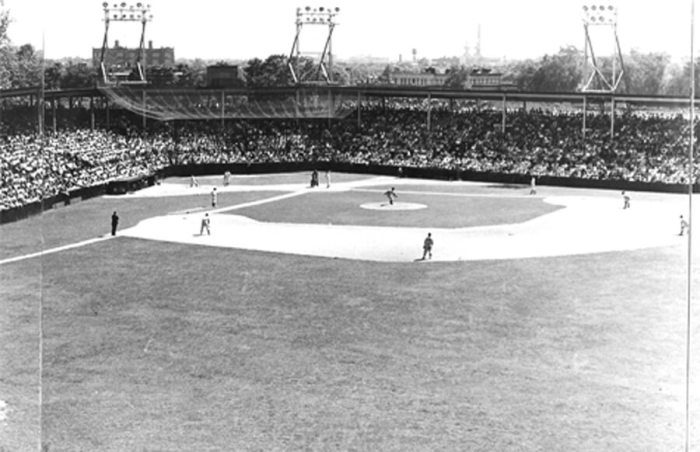
From 1905 to 1913, the stadium frequently hosted games for the Brooklyn Royal Giants, an African American team. Before World War I, the Giants were one of the most successful independent teams in the United States.
Although World War I disrupted professional baseball, it also spurred a boom in semi-professional leagues and African American games. Many corporations sponsored teams to boost morale and discourage union involvement.
The independent semi-professional Brooklyn Bushwicks played at Dexter Park from 1913 to 1951, gaining fame for their multicultural rosters. In 1922, team owner Max Rosner purchased Dexter Park and recognized its potential by building a grandstand that could seat 2,000 spectators. In 1924, he added an additional 2,000 seats. During the Great Depression, while many major league baseball teams struggled financially, the Bushwicks maintained a loyal fan base with affordable ticket prices.
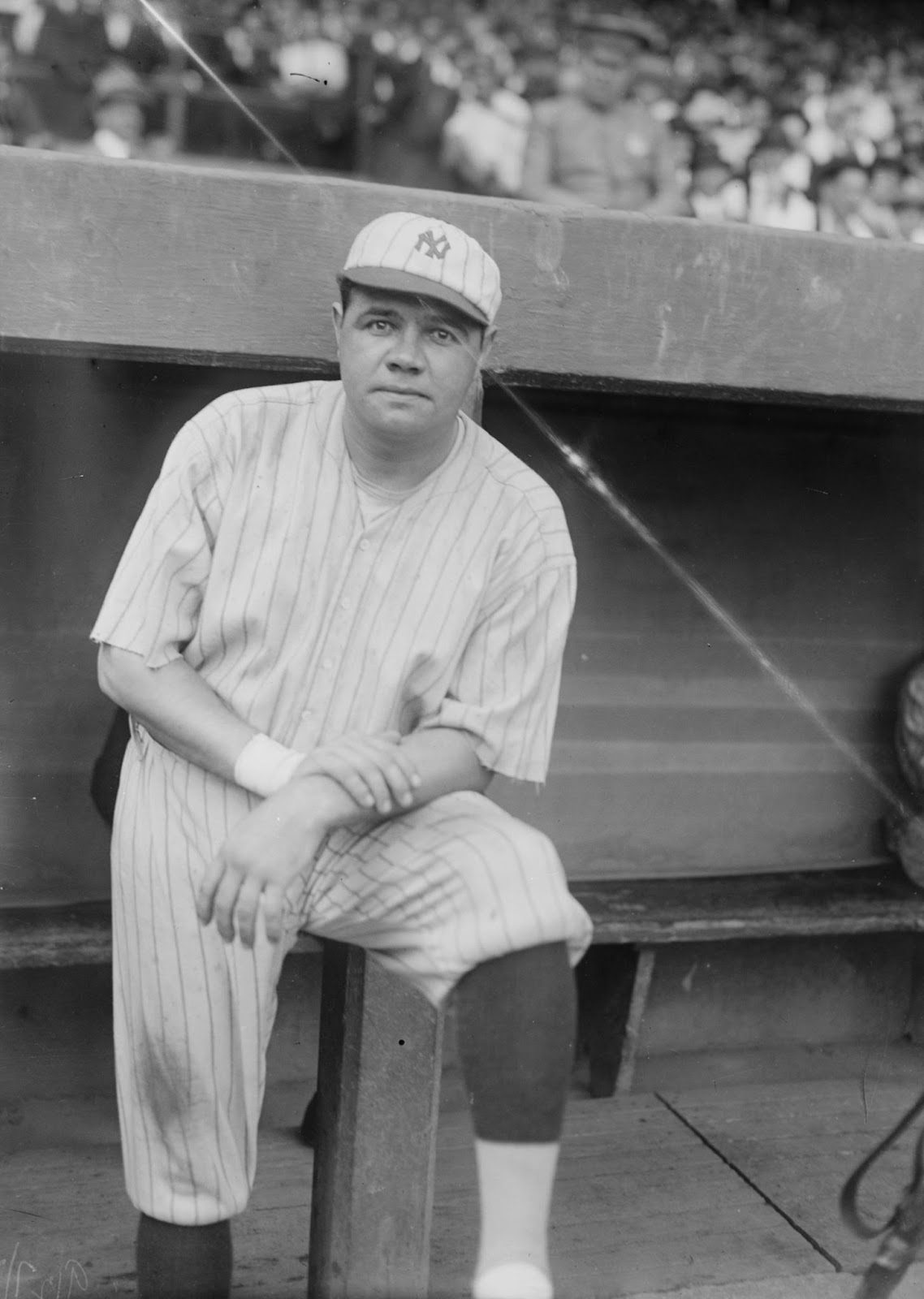
Baseball legends Babe Ruth and Lou Gehrig both played at Dexter Park. Ruth’s Major League Baseball career spanned 22 seasons from 1914 to 1935, mostly with the New York Yankees. Ruth is widely regarded as one of the greatest American sports heroes, while Gehrig, known as the “Iron Horse” for his durability, played 17 seasons with the Yankees and is celebrated as one of the greatest players of all time.
In the late 1920s, minor leagues experimented with temporary lighting to attract evening crowds. Dexter Park installed light towers atop the grandstands, and the first night game took place on July 23, 1930. This lighting system was the first permanent focused lighting installation in the U.S.
Baseball teams often relied on promoters who organized games and fees in exchange for a cut of gross revenue. One such promoter was Nathaniel Strong, a native New Yorker who began as a sporting goods salesman and became an influential booking agent, recognizing the value of controlling lucrative venues.
Baseball remains America’s national pastime and one of Queens’ most popular sports. It’s deeply ingrained in the city’s culture, with many residents growing up playing the sport. While Abner Doubleday is credited with inventing baseball in Cooperstown, New York, in 1839, the game has deeper roots. Notable players born and raised in Queens include pitcher Dennis Sarfate, pitcher and coach Stefan Karsay, pitcher Matthew Daly, and outfielder George Valera. Baseball is beloved among residents of all ages.
Football and Boxing
On April 7, 1929, Dexter Park hosted the U.S. Open Cup Final in soccer, drawing a record-breaking crowd of 21,583 spectators, despite having an official capacity of only 15,400. This record stood for more than 80 years until a larger crowd attended the 2010 final in Seattle. The park also regularly hosted high school and college football games, attracting crowds of up to 10,000. On November 1, 1930, part of the stands collapsed during a game, but fortunately, none of the 500 fans were injured. The park also hosted boxing matches, with around 150 fights held from 1914 to 1950.
Auto Racing
After the Brooklyn Bushwicks disbanded in 1951, Dexter Park was repurposed as a stock car racetrack to maintain revenue. The field’s layout was adjusted, the center field hill was leveled, and the baseball diamond was removed. Fruit trees and vegetables were also uprooted to make way for pit stops. Most races were organized by the Allstate Racing Stock Car Club, run by race car drivers and car owners.
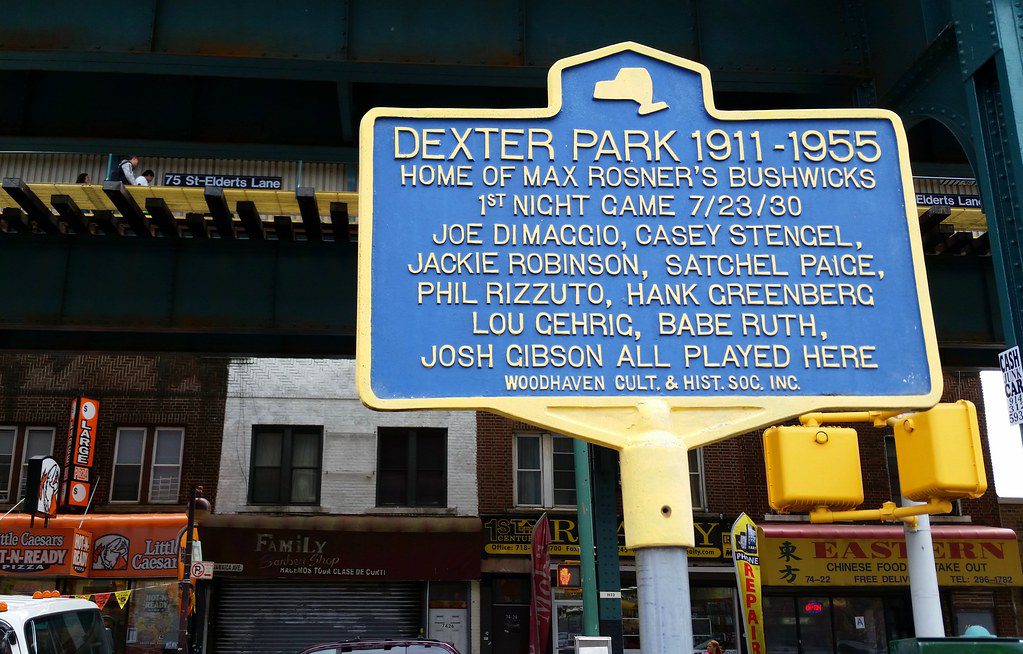
In 1955, the park was sold, and it was completely demolished two years later. Today, single-family and two-family homes, along with a CTown supermarket, occupy the site. A commemorative plaque marks the approximate location of the old soccer field, while the former carousel area is now part of the parking lot. The hotel became Dexter Park Casino, later transforming into Frank Fischetti’s restaurant.