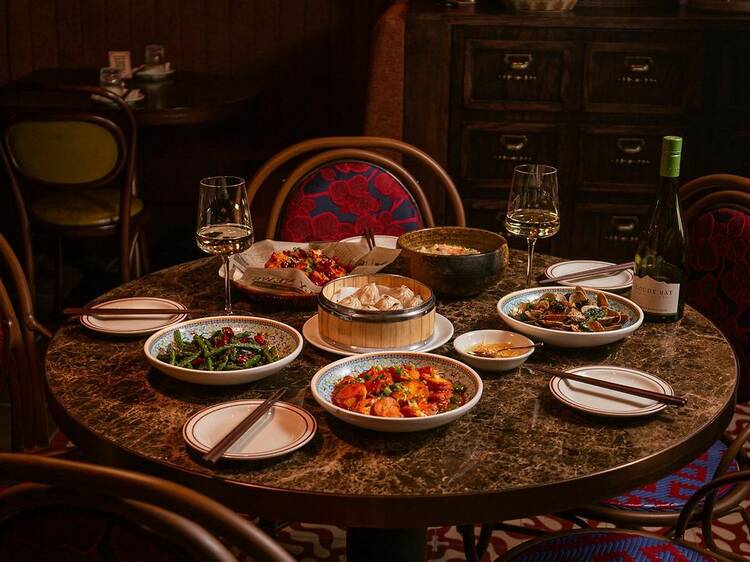

A borough as culturally diverse as Queens is famous for its wide range of culinary offerings. Immigrants of all backgrounds have opened and continue to open some of the most diverse restaurants in the country. While Astoria is known for Greek food, Jackson Heights is known for South Asian cuisine and Flushing is known for authentic Chinese, Korean and Japanese food. From noodles and dumplings to Bangladeshi, Ecuadorian, Polish, Nepalese, or Filipino main courses, Queens has long been considered the gastronomic center of NYC. Read on i-queens to find out what both locals and tourists should try in different parts of the borough.
Kolokithokeftedes
In the 1920s, Greek natives began to move to Astoria in large numbers. Their number increased significantly in the 1960s, when the US abolished immigration quotas for certain countries, including Greece. Although Astoria also boasts communities populated by immigrants from the Middle East, the Balkans and South Asia, Greek immigrants have done the most to develop the area, and in particular its cuisine.
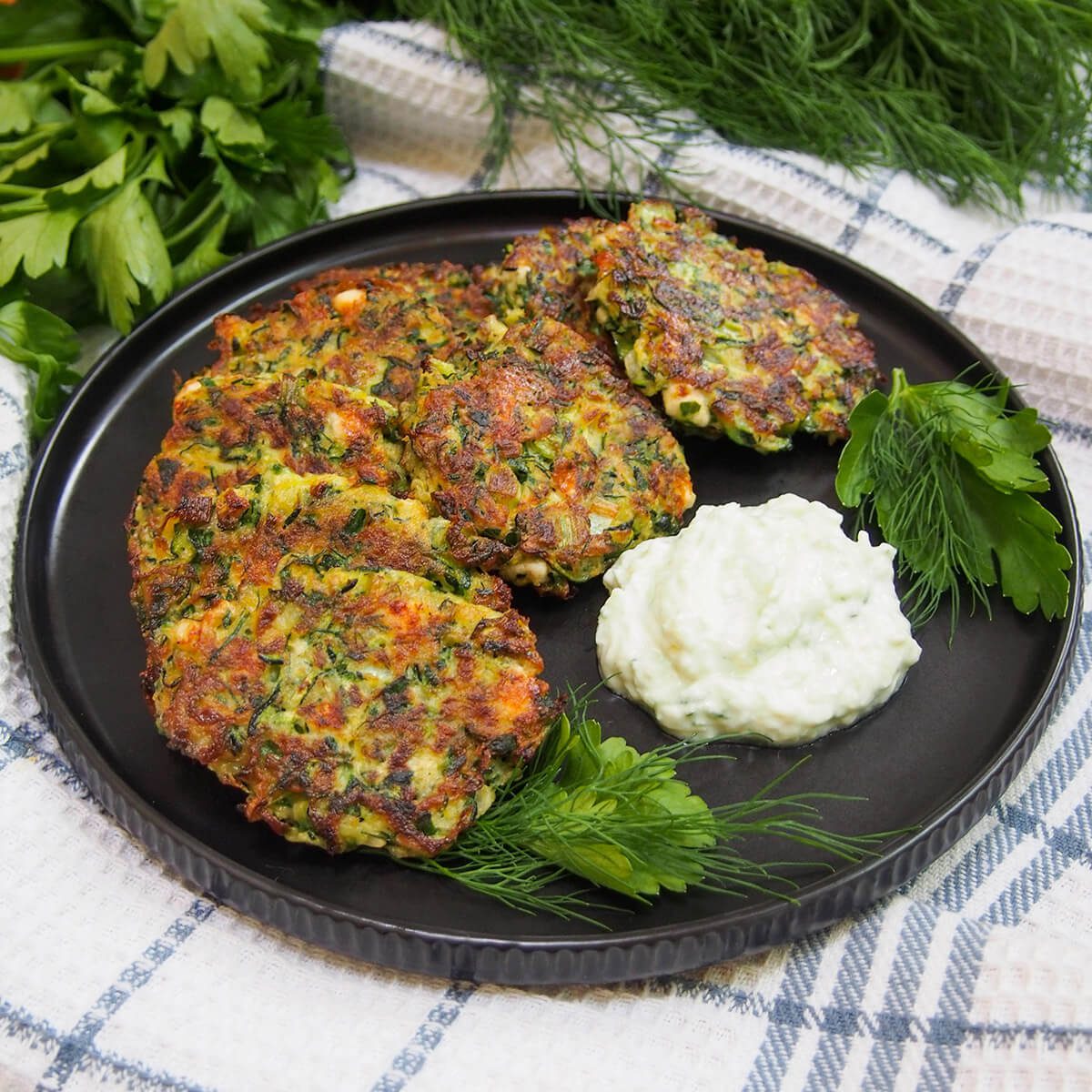
Almost all Greek taverns and restaurants in Astoria offer Kolokithokeftedes (Greek zucchini pancakes). If you ever try this appetizer, you will be impressed by its flavorful texture and salty taste. The dish was invented on the island of Crete. The word Kolokithokeftedes literally translates from Greek as zucchini meatballs. The main ingredients are: zucchini, onions, feta cheese and herbs. The feta cheese literally melts into the zucchini puree and makes for a perfect snack.
Zucchini, by the way, is a very useful product, in particular for the eyes, skin and heart. In addition, zucchini protects against certain types of cancer. It is high in antioxidants and nutrients. Feta is a soft white cheese originally from Greece, made from sheep or goat milk or a combination of both. The hard and crumbly feta is aged in brine for 2 to 12 months to impart its characteristic sharp flavor. Feta is often added to salads, and is also used to create sauces and cook pasta dishes.
Griot with pikliz
New York and New Jersey have more Haitians and Haitian-Americans than any other state except Florida. In Queens, you’ll find Haitian establishments in the southeastern neighborhoods of Jamaica, St. Albans and Queens Village.
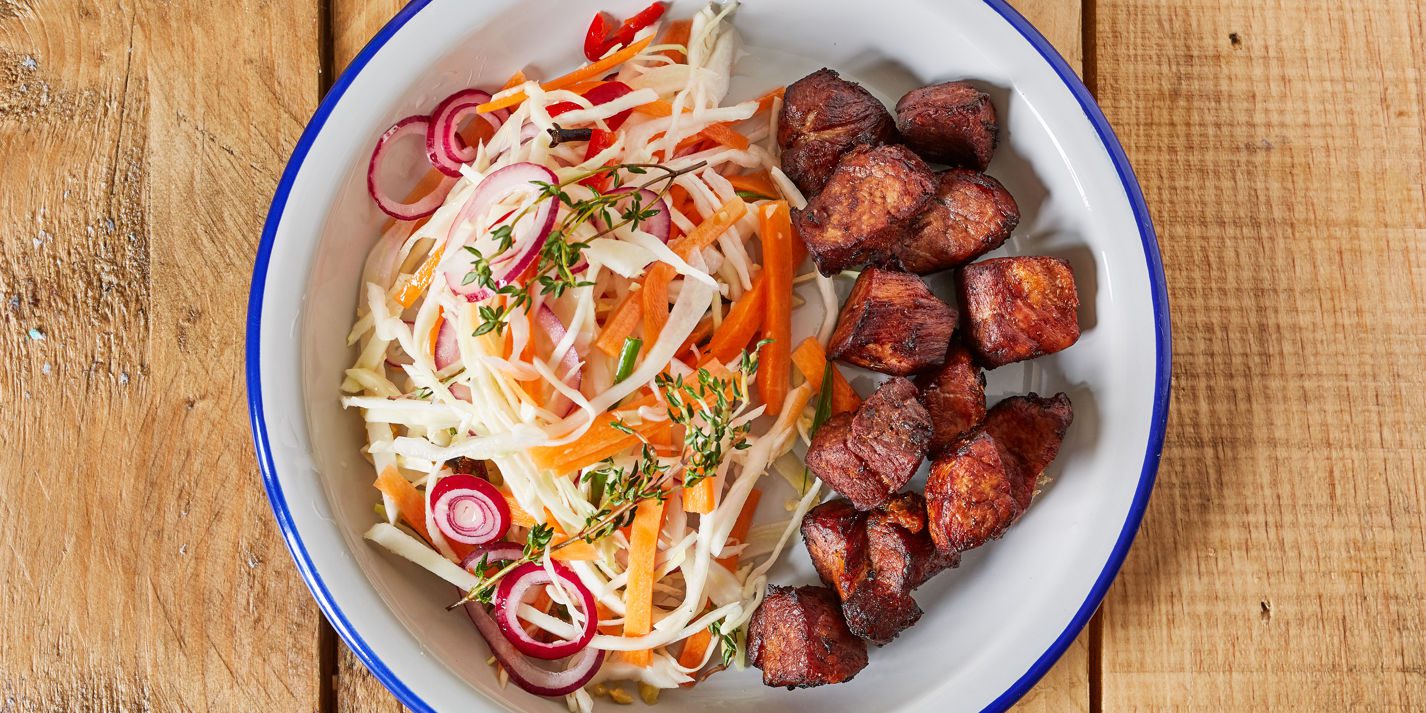
A traditional Haitian dish is griot with pikliz. Transport your taste buds to the Caribbean with this delicacy of tender and crispy pork shoulder served with a spicy and tangy pickled vegetable salad known as pikliz. The pork shoulder is first marinated in a mixture of citrus juices (orange, lemon, lime) to impart flavor.
After that, the meat is marinated in a mixture of Haitian herbs, vegetables, and spices. Then the meat is either stewed or baked until it is tender. The last step is deep-frying until golden brown and crispy. The griot is served with a pikliz salad. It includes pickled cabbage, carrots, bell peppers and chili peppers. You can also serve the dish with rice.
Dandan noodles
Almost one in five Queens residents is of Chinese descent. The majority of Chinese immigrants live in Flushing. Chinatown is one of the largest Chinese enclaves outside of Asia. However, unlike a similar neighborhood in Manhattan, Flushing’s Chinatown combines Asian and American cultures. As for food, it has everything from McDonald’s and Chinese seafood restaurants to street vendors selling fried noodles.
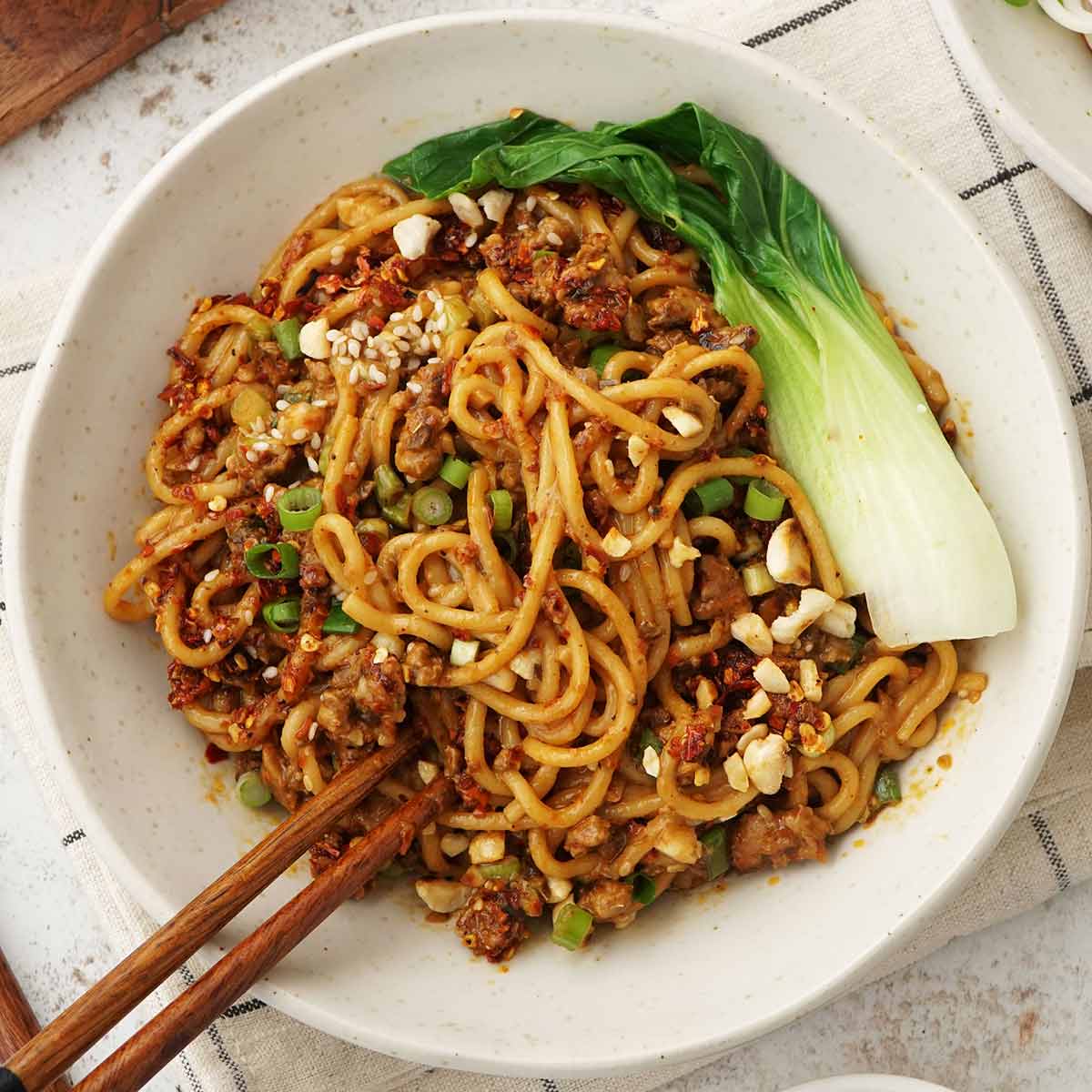
While in Flushing, be sure to try Dandan noodles, a traditional Chinese dish from Sichuan Province. Despite the fact that it is simple to prepare, the dish boasts various variations. Most often, Dandan noodles are made from pickled vegetables, chili, Sichuan pepper, minced pork and green onions. In addition, salted soybeans, sweet hoisin and mustard can be added to the dish. The dish is served both in dry form and as a soup.
Interestingly, the first mention of Dandan dates back to 1841. Back then, noodles were a rather expensive food that not everyone could afford. Nevertheless, it was sold on the shopping streets, carried on a carrying pole. This method of trade in the Sichuan dialect was called dandanmian, or carrying pole noodles, hence the name of the dish. Initially, it was made only of boiled noodles seasoned with hot sauce. Later, minced meat was added to the recipe.
Bandeja paisa
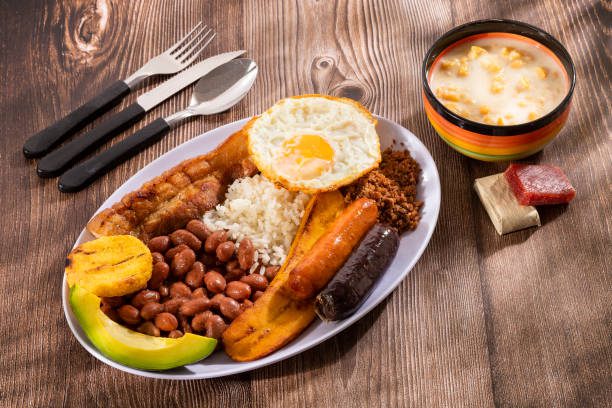
World War II brought about numerous demographic changes. In the 1950s, Colombian immigrants began to arrive in Jackson Heights, followed by natives of South America, South Asia and other regions of the world. That’s why Jackson Heights is often called the most diverse neighborhood not only in NYC but in the entire country. The Roosevelt Avenue section is known as “Little Columbia”.
Restaurants in the neighborhood offer dishes like sancocho and ajiaco, which are little known elsewhere in NYC but are culinary gems in Colombia. Sancocho is a thick soup made of meat, potatoes and vegetables with seasonings. Ajiaco is a soup made of chicken, three varieties of potatoes and the herb galinsoga parviflora, known locally as guasca.
In addition to the above-mentioned delicacies, an extremely satisfying and high-calorie bandeja paisa is popular in Jackson Heights, one of the most representative dishes in Colombian cuisine. Its main ingredients are red beans cooked with pork, white rice, minced meat, chicharrón (fried pork rinds), fried egg, plantains (large vegetable bananas), chorizo (spiced pork sausages), arepa (tortillas made from corn dough or corn flour), hogao (spicy tomato and onion sauce), black pudding (blood sausage), avocado and lemon.
The dish’s origins are influenced by several different cultures that have developed in Colombia over the centuries, including the country’s indigenous peoples, as well as colonial Spaniards and Africans. The bandeja paisa is served on a large oval-shaped tray, given the large amount of food.
Tteok-bokki
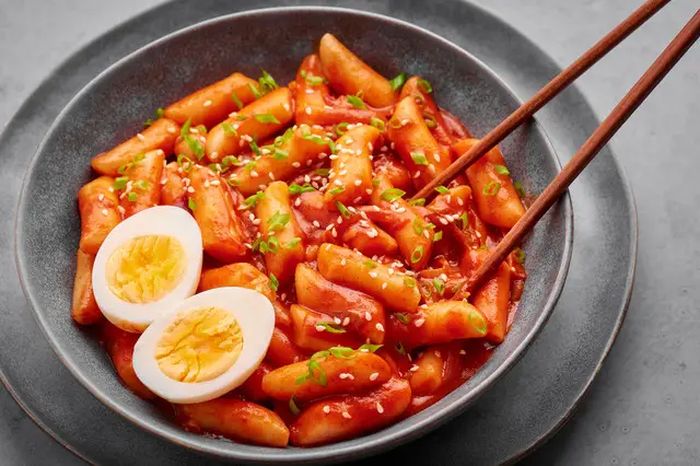
Historically, Bayside has been home to Greek, Italian, Irish, German and Polish communities, but in the mid-1990s, Korean families began moving here en masse. Therefore, almost half of Bayside’s residents are of Asian descent, most of them Korean Americans.
One of the most famous Korean street foods is tteok-bokki, rice cakes cooked in red spicy broth. The dish literally translates as fried rice cake. Tteok-bokki has many cooking variations, but the basic recipe was developed by Korean woman Ma Bok-rim in 1953 (the year the Korean War ended). The dish instantly gained popularity as an affordable light snack.
It is made from a cylindrical rice cake made from short-grain rice. Eomuk (fish cakes), boiled eggs and onions are some of the common ingredients served with tteok-bokki. Anchovy broth can be added to create a savory flavor. Not only is it a popular appetizer but it is also a symbol of Korean food and culture that resonates with the taste preferences of people around the world.