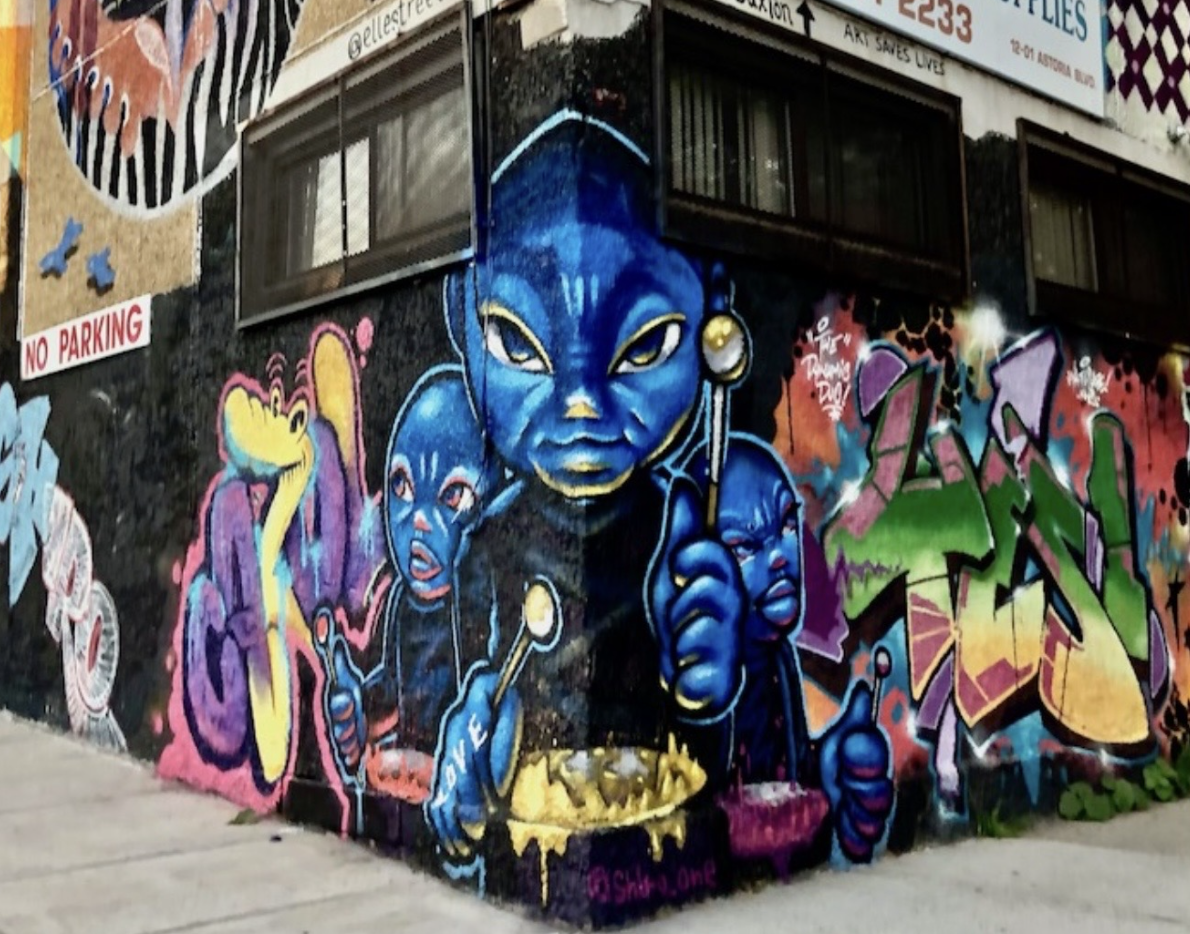

Queens holds a special place in the history of New York street art. Here, urban art became more than just a means of self-expression. It reflects social shifts, immigrant stories, and the ongoing battle for public space. In this article by i-queens.com, we delve into the legendary 5Pointz and the rise of the Welling Court Mural Project. You’ll learn how graffiti evolved into a pillar of the urban economy, and how the clash between artists, real estate developers, and gentrification forever altered the cultural landscape of Queens.
From Subway Cars to City Walls: The Birth of Tagging and the Government’s Crusade Against Street Art
During the late 1960s and throughout the 70s, graffiti in New York grew rapidly, taking over the subway system and the city’s working-class neighborhoods. At first, it lacked any clear ideological or political motives. It all started with “tagging,” as teenagers scribbled their names or monikers on school walls and playgrounds. Street artists soon realized that subway cars were the perfect moving canvases to showcase their work to the entire city.
But things changed over time. City officials and the Metropolitan Transportation Authority (MTA) declared graffiti a form of vandalism and a glaring symbol of urban decay.
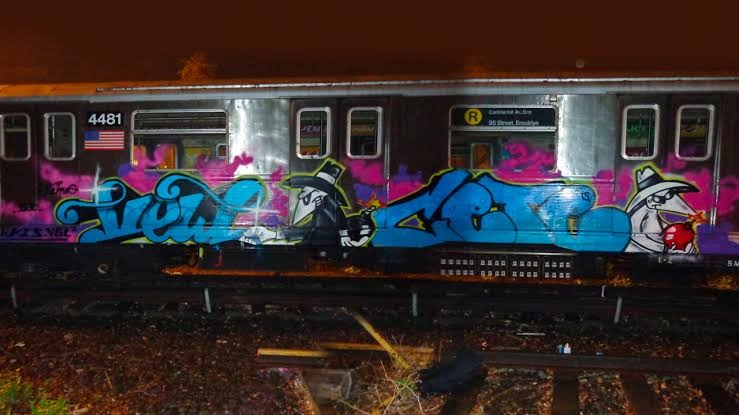
In 1984, the New York City Transit Authority launched a five-year program to eradicate graffiti. This initiative, known as the Clean Train Movement, led to the removal of the last painted train from service by 1989. Stripped of their subway canvases, artists took to the streets. Building facades and rooftops were quickly transformed into sprawling open-air galleries.
The Legendary 5Pointz: How a Water Meter Factory Became the World’s Graffiti Mecca
Queens was home to one of the world’s most famous street art hubs—the 5Pointz complex. Originally built in 1892 as a Neptune Meter water factory, the building was purchased by developer Jerry Wolkoff in the 1970s. Instead of immediately redeveloping the site, Wolkoff began leasing out the spaces.
In 1993, Pat DiLillo established an art space there called the Phun Phactory to give artists a legal place to work. However, the site achieved true legendary status in 2002 when graffiti writer Jonathan Cohen (better known as Meres One) stepped in as curator. He renamed the complex 5Pointz, symbolizing the convergence of New York’s five boroughs. Under his vision, it evolved into a global mecca for thousands of creators. The massive 200,000-square-foot building was completely covered in vibrant murals, housing around 200 art studios inside. Before its eventual demolition, dozens of tour buses flocked there every single day.
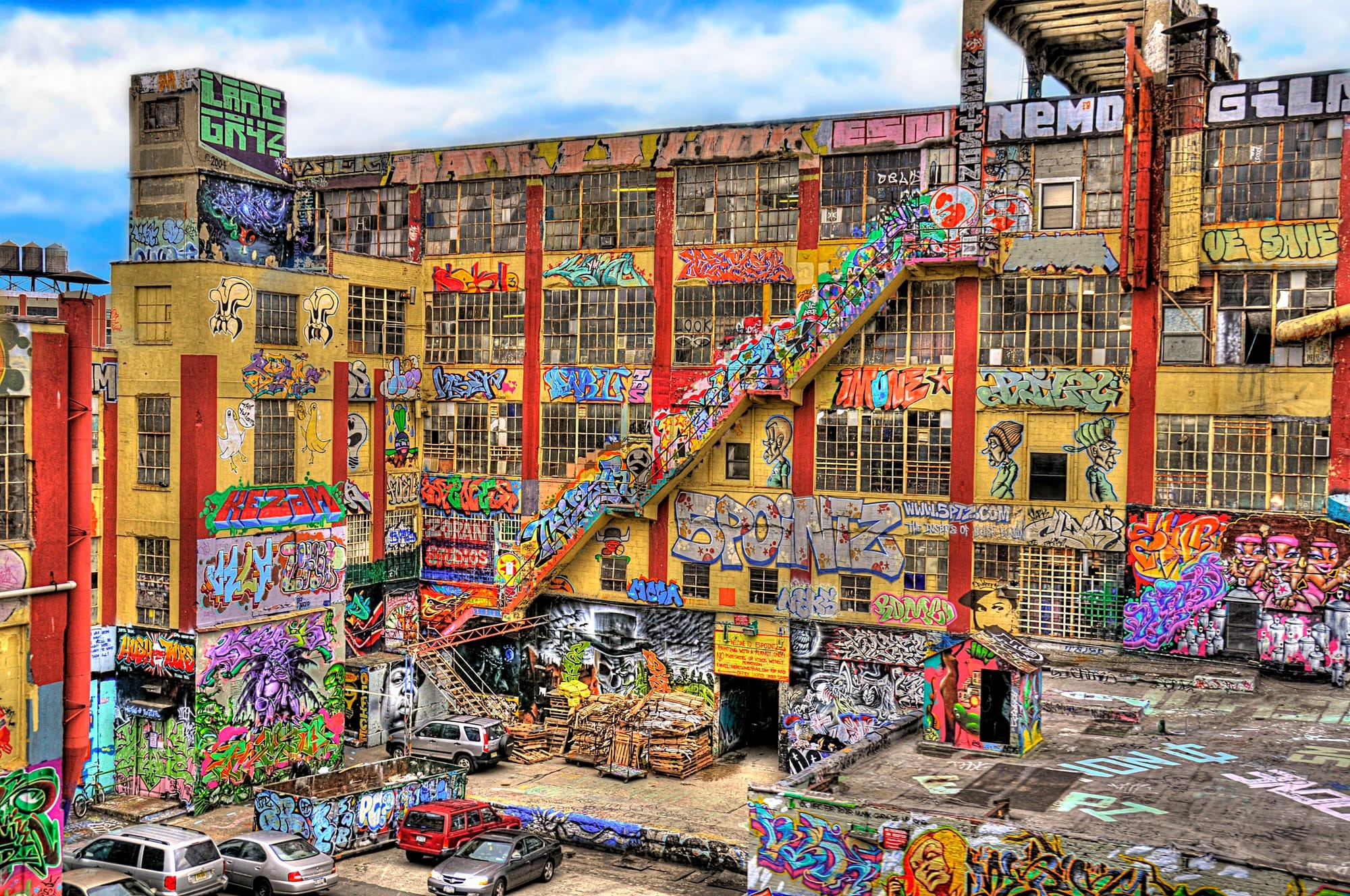
After owning the property for 40 years, the Wolkoff family decided to demolish 5Pointz to make way for two luxury residential towers. In August 2013, the New York City Planning Commission unanimously approved the project. Despite rallies, petitions, and artists’ desperate attempts to secure landmark status for the building, their efforts fell short. In the dead of night on November 19, 2013, Wolkoff hired a crew to whitewash all the murals.
This act of vandalism by the owner sparked an unprecedented lawsuit. The artists sued under the Visual Artists Rights Act (VARA) of 1990. This federal law protects works of visual art of “recognized stature” from intentional distortion, mutilation, or destruction.
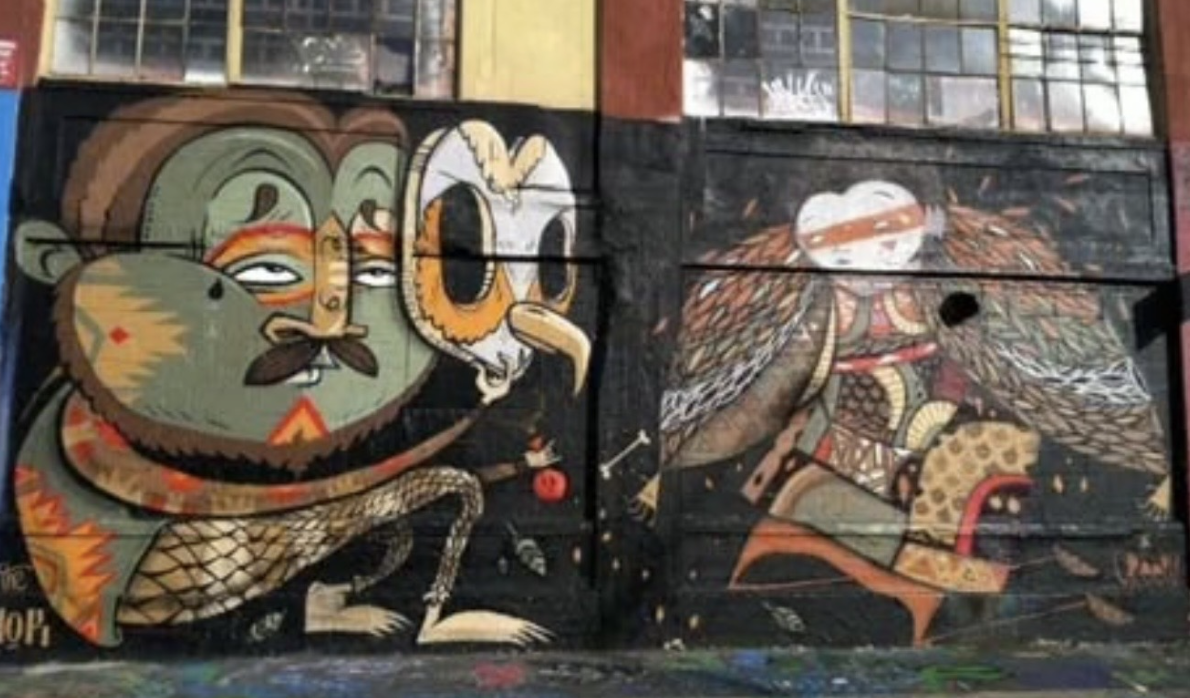
In February 2018, a judge awarded $6.7 million in damages to 21 artists for the destruction of 45 works. The Court of Appeals upheld this ruling in 2020. This marked a historic, first-of-its-kind precedent for graffiti protection at the federal level.
Artwashing and Gentrification: How Rebellious Art Became a Tool to Drive Up Real Estate Prices
The destruction of 5Pointz exposed another pressing issue in modern metropolises: artwashing. Gaining traction in the mid-2010s, this term describes the calculated use of art to rebrand run-down or industrial neighborhoods.
Today, developers frequently sponsor the creation of murals or temporary art spaces to give an area a trendy, creative vibe. By collaborating with street artists, real estate moguls discovered a new reality: graffiti no longer tanks property values. That’s a myth. Instead, young professionals moving to the city are willing to pay a premium for authentic urban aesthetics.
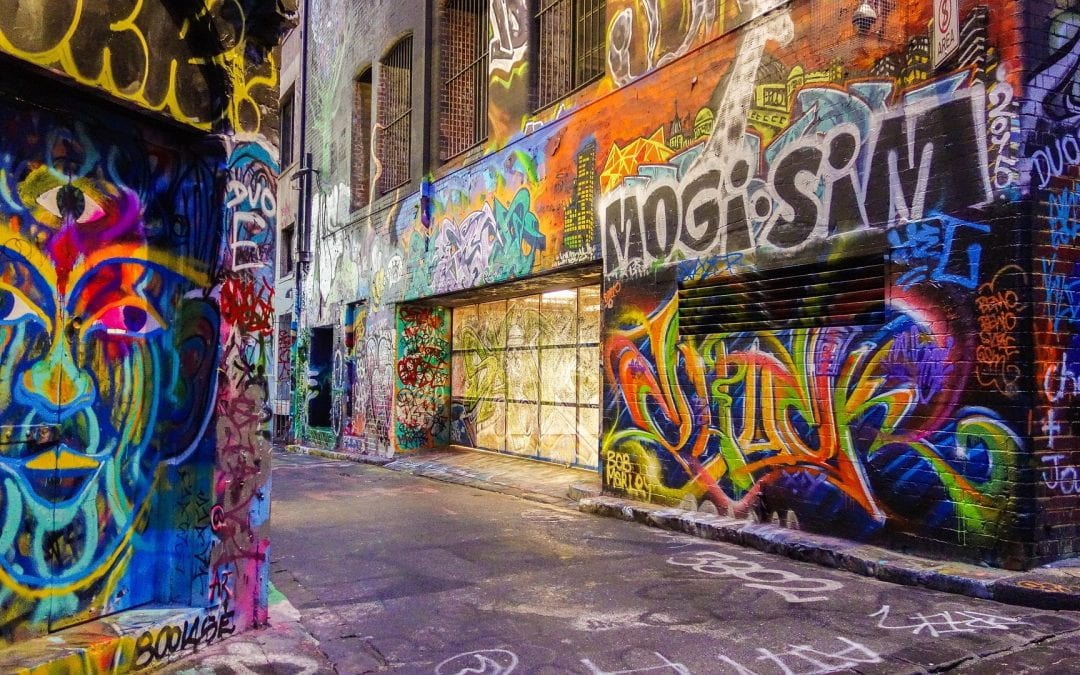
A study by the Warwick Business School backed up this trend, proving a direct correlation: the more murals a neighborhood has, the higher the housing prices soar.
This commercialization of street art creates a bitter paradox. An art form that originated as the voice of marginalized communities is now used by developers to hike up rents. Ultimately, this prices out both the artists themselves and low-income local residents.
Lady Pink vs. Stereotypes: How an Ecuadorian Immigrant Conquered the Male-Dominated New York Underground
In the gritty, male-dominated world of early New York graffiti, Sandra Fabara—better known as Lady Pink—truly stood out. Born in Ecuador, she moved to the Astoria neighborhood in Queens at the age of seven.
Fabara began painting graffiti in 1979. The moniker “Pink” was given to her by another prominent writer, Seen. She embraced the name to boldly assert her female presence in the street art scene. From 1979 to 1985, she actively painted NYC subway trains, cementing her legacy as one of the first and most visible women in the movement.
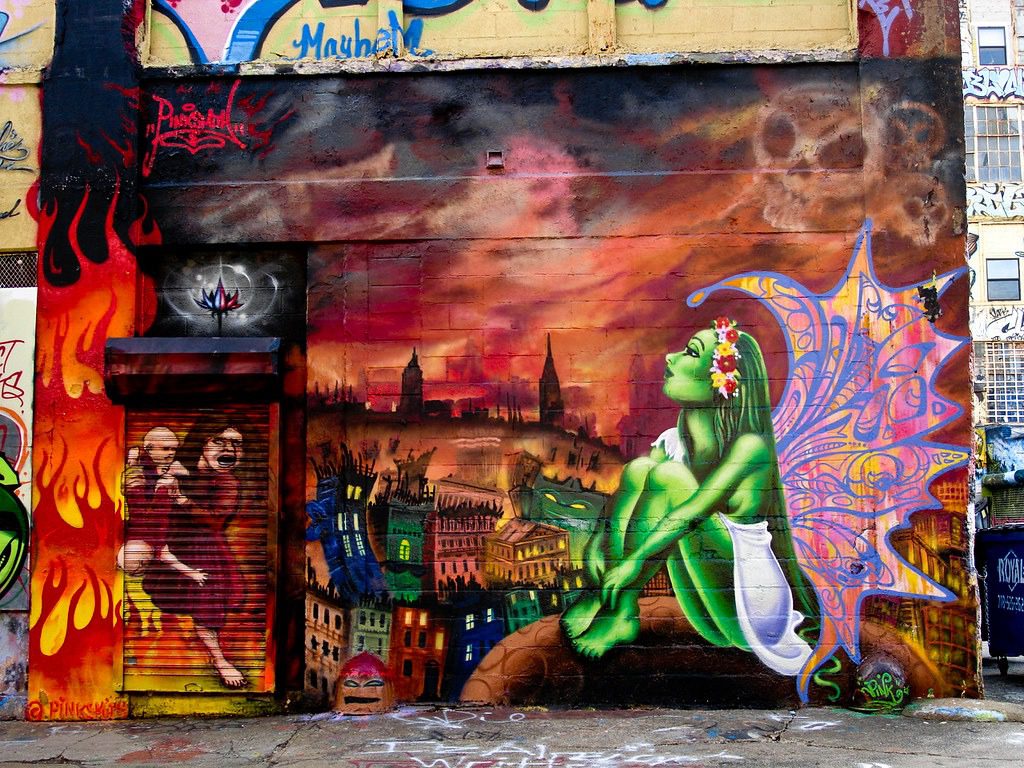
Lady Pink also had deep ties to 5Pointz. Her 2007 mural, Pink, graced the complex’s walls until it was ruthlessly painted over during the infamous 2013 whitewash. She was among the artists who successfully sued and won compensation under the VARA lawsuit. Today, Lady Pink continues to create. She paints studio pieces and massive murals, with her artwork featured in the permanent collections of the Whitney and Brooklyn Museums.
The Queens Community Response: Welling Court Festival and Transforming Illegal Landfills into Socrates Park
Despite the commercialization and painful loss of 5Pointz, Queens remains a vibrant hub for grassroots art initiatives. A prime example is the Welling Court Mural Project (WCMP) in Astoria.
The project was born in 2009. Local residents Jonathan and Georgina Ellis, tired of seeing their street blighted by gang tags, reached out to the arts organization Ad Hoc Art. Instead of taking a punitive approach and fighting graffiti with police enforcement, they proposed a different idea: offering their neighborhood’s walls as canvases for professional street artists.
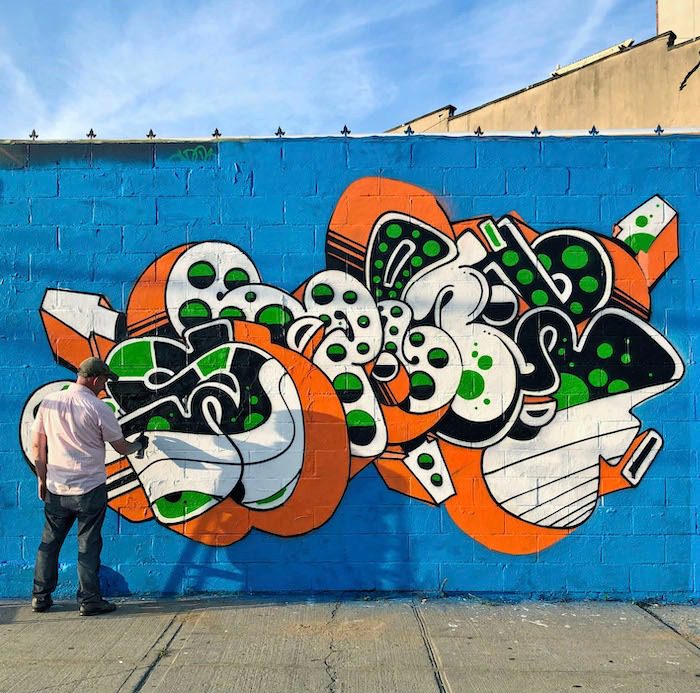
The first mural was painted by Polish artist M-City in December 2009. By May 2010, the initiative had expanded into a massive project featuring over 40 murals. Today, WCMP boasts more than 100 artworks and hosts annual street art festivals that draw creators from around the globe.
Project co-founder Alison Wallis compares curating these spaces to a game:
“It’s like playing wall Tetris. Finding the perfect balance between the space, the artists, and the community is an ongoing challenge.” The Welling Court project proves that street art can unite a neighborhood without devolving into a sterile commercial product.
Queens is the Future: The Mural That Became a Borough’s Symbol
In 2007, artist couple Eve Biddle and Joshua Frankel created the Queens is the Future mural on a handball court wall at I.S. 145 in Jackson Heights. The artwork depicts a subway car (the famous 7 train) launching off the tracks like a rocket. The phrase painted alongside it highlights Queens’ status as the most ethnically diverse county in the US. The underlying message is clear: America’s future is both international and urban.
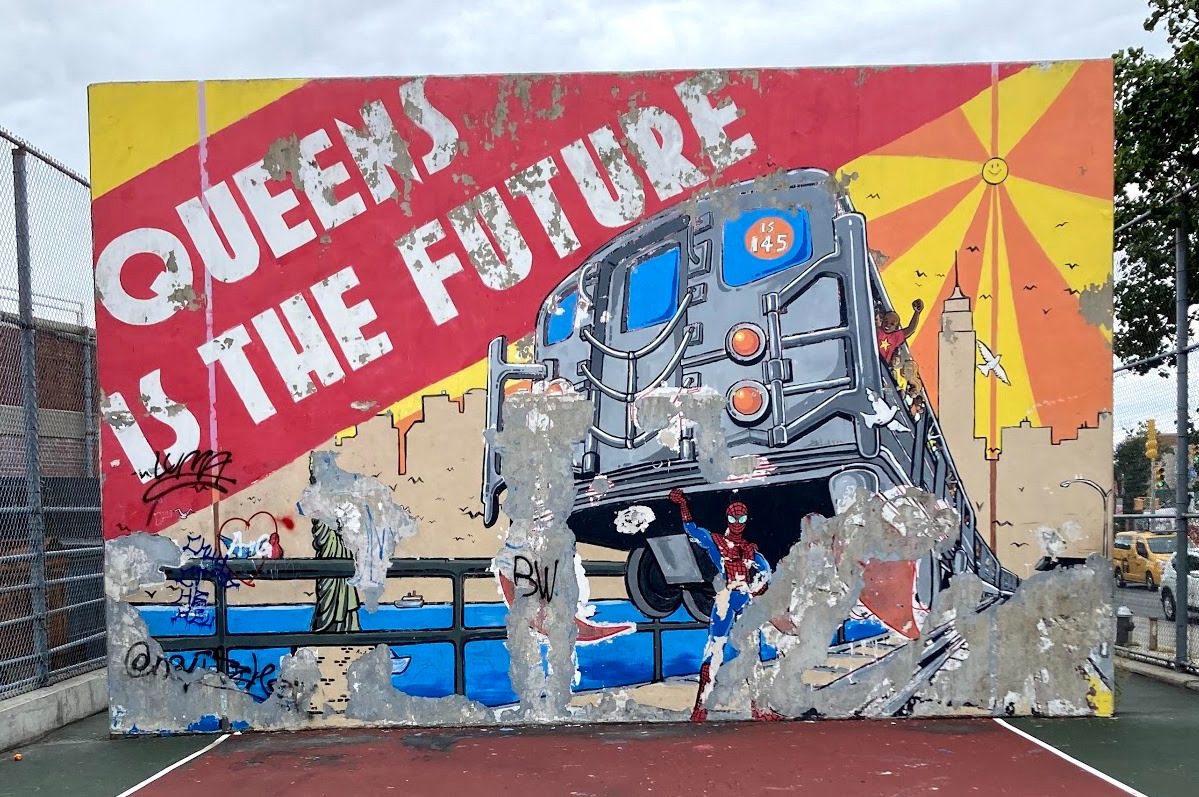
The mural quickly achieved cult status, but in January 2015, it found itself at the center of a scandal. Without the original artists’ permission, Sony Pictures altered the artwork, painting Spider-Man over it to promote The Amazing Spider-Man 2. In this corporate remix, the superhero was “rescuing” kids inside the subway car, entirely erasing the piece’s original meaning. Artist Joshua Frankel did not hide his frustration:
“They took a piece of public community art and turned it into a movie ad, all while trying to pass it off as ‘community service.'”
Fortunately, justice prevailed. After a long period of decay, thanks to the sheer determination of the local community, the mural was professionally restored in 2022. It is now protected with anti-vandal and weather-resistant materials.
Socrates Sculpture Park: From an Illegal Dump to an Art Oasis
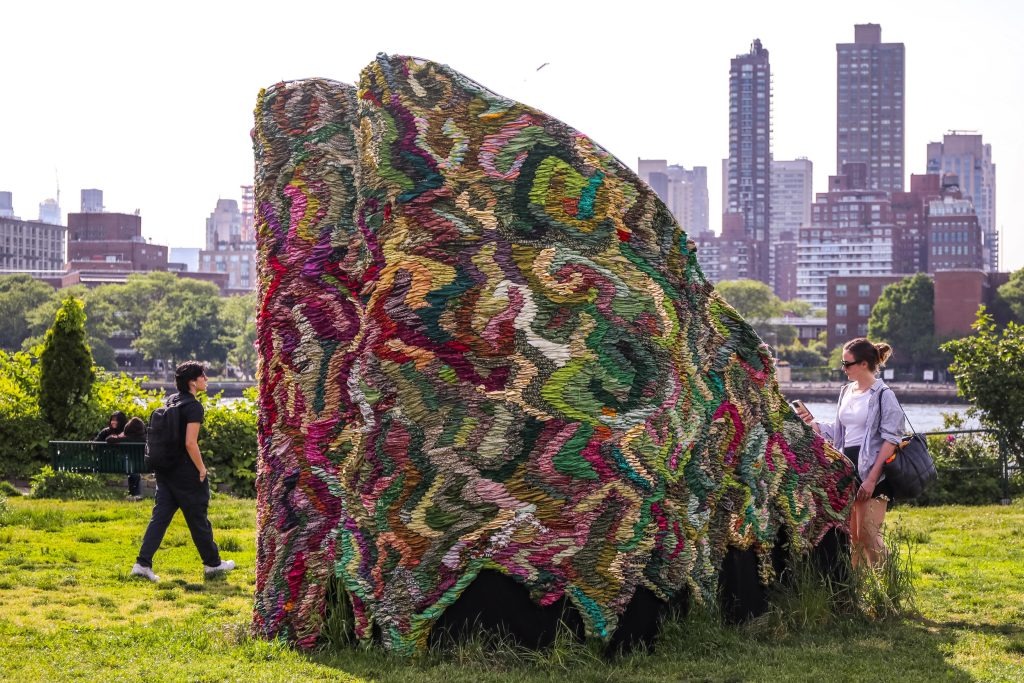
Another stunning example of urban transformation in Queens is Socrates Sculpture Park. In 1986, American sculptor Mark di Suvero spearheaded an initiative to turn an abandoned, four-acre illegal landfill in Astoria into an open-air museum.
Today, it stands as the largest outdoor space in New York dedicated to exhibiting sculpture and multimedia installations. The park operated under “temporary” status for 14 long years before finally being officially designated as a permanent city park in 1998. The location’s calling card is the massive Broadway Billboard at the entrance. Its design changes twice a year, setting the tone for the park’s current exhibitions.
Queens street art is the living, breathing chronicle of the borough. New York’s graffiti and murals have traveled a rocky road: from a criminalized act of vandalism to a celebrated, federally protected art form.
But this success comes at a cost. Turning street art into a tool for capitalism and artwashing strips away cultural authenticity and pushes the very creators to the margins. The demolition of 5Pointz serves as a painful lesson: public space is a perpetual battlefield between corporate interests and the freedom of self-expression. Yet, thanks to resilient local communities and unyielding artists, the walls of Queens continue to speak.