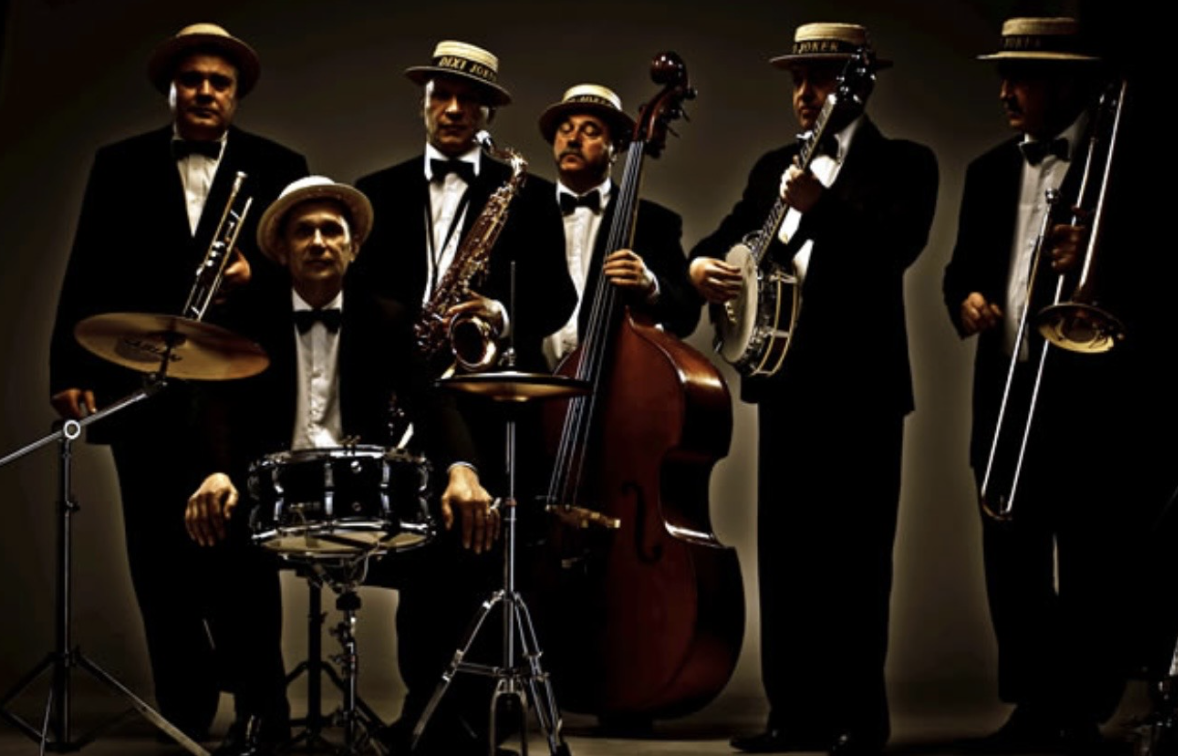

Jazz Queens is a lesser-known yet pivotal chapter in New York’s musical history. This very borough became home to many legendary 20th-century jazzmen. Unlike bustling Harlem, Queens drew musicians with its relaxed pace of life, ample space, and the chance to own a home—creating an ideal sanctuary for creativity off the bandstand. In this article on i-queens.com, we explore why Queens became a second home to Louis Armstrong, Ella Fitzgerald, Count Basie, and other jazz greats, where these jazz legends lived, and how their presence transformed the cultural fabric of the neighborhood. You will also discover the rich musical heritage of Queens and the landmark destinations etched into the history of American jazz.
The History of Jazz in Queens: Why Musicians Chose It Over Harlem
During the 1920s, New York emerged as one of the primary destinations of the Great Migration of African Americans leaving the Southern states. Escaping Jim Crow laws and entrenched racial discrimination, people headed north in search of steady work, safety, and new opportunities.
New York became that haven for many. Yet even within the borders of a single city, different neighborhoods offered completely different ways of life. Harlem was rapidly turning into the epicenter of African American culture, music, and nightlife. Clubs and theaters buzzed with energy, top headliners took the stage, and aspiring artists poured in from all over the country.
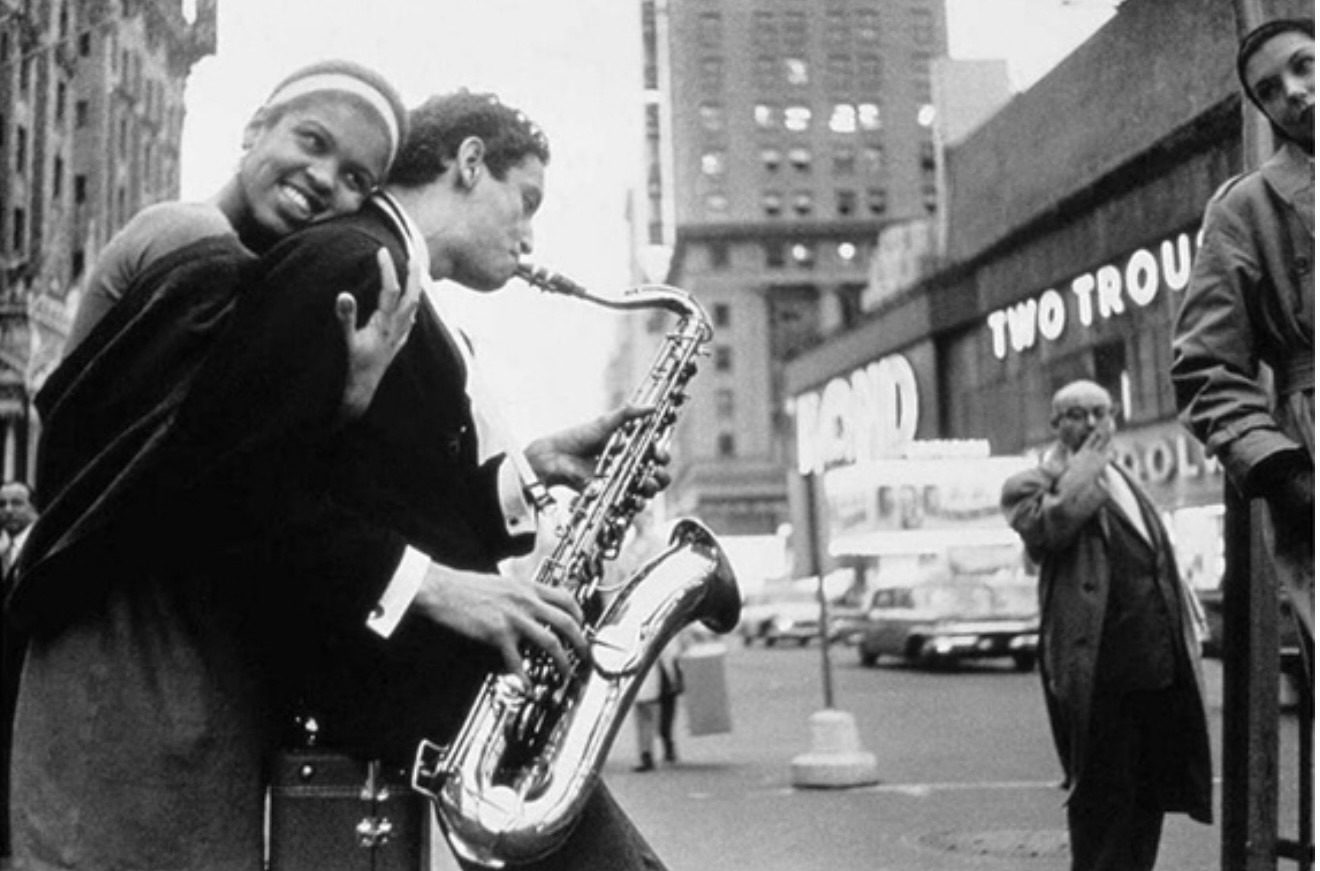
However, living day in and day out at the epicenter of that vibrant cultural scene was not for everyone. Queens back then had a completely different feel. Much of the borough resembled a quiet suburb: tree-lined streets, private single-family homes, and a sense of open space. For arrivals from the South, it felt like familiar ground, yet it kept them connected to all the possibilities New York had to offer.
There was a practical advantage, too. While in Harlem musicians often rented cramped rooms or stayed in modest residential hotels near gig venues, Queens offered the chance to buy a freestanding house with a yard. For artists already earning solid money in the music industry, trading urban noise for a peaceful retreat was an easy decision.
Among the first to embrace this lifestyle were music producer Clarence Williams and his wife, jazz singer Eva Taylor. In 1923, the couple moved from Louisiana to New York and settled down in the Jamaica neighborhood of Queens, purchasing a home along with eight adjacent plots of land.
Louis Armstrong and Dizzy Gillespie in Corona: Jazz Royalty in Queens
Corona became home to the most famous resident in Queens: Louis Armstrong, the visionary trumpeter and vocalist whose groundbreaking style reshaped American jazz. In 1943, urged on by his wife Lucille, Satchmo bought a modest two-story brick house in this working-class neighborhood.
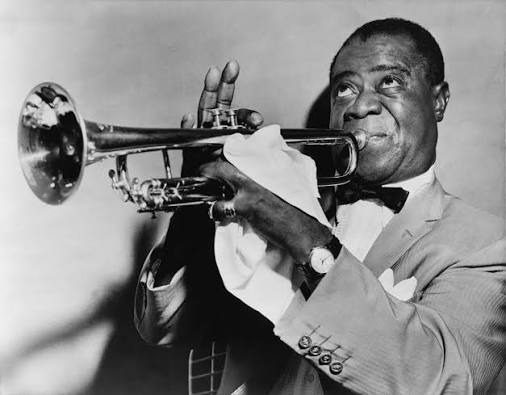
Far removed from the ostentatious lifestyle often linked with world superstars, Armstrong never sought sprawling estates or flashy luxury. He cherished simple, unpretentious domestic warmth, once putting it this way:
“We don’t need some big mansion with a bunch of servants and gardeners. It doesn’t take a crowd to make a happy home. It just takes two people to make any place happy.”
Armstrong lived in Corona for nearly three decades until his death in 1971. Over those years, the house became central to his life, and the musician himself became the beloved heart and soul of the community.
Yet Armstrong was by no means the only jazz luminary drawn to Corona. In 1952, just three blocks away on 37th Avenue, Dizzy Gillespie—one of the founding architects of the bebop era—moved in.
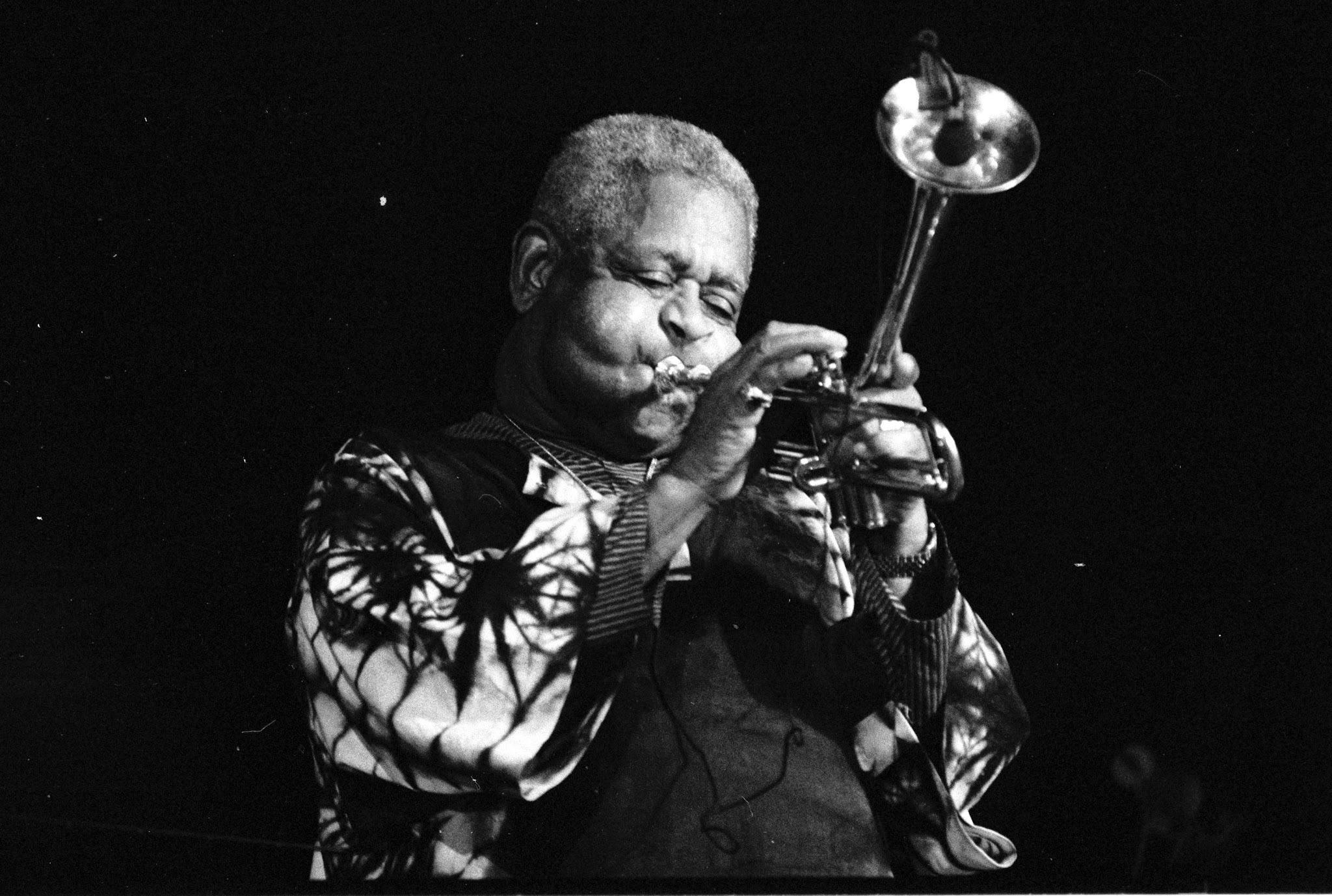
In later years, the press frequently painted Armstrong and Gillespie as rivals competing for jazz supremacy. In reality, their relationship was marked by genuine warmth. For 14 years, they remained close friends and neighbors, with Gillespie routinely dropping by Armstrong’s home for casual visits.
It was an extraordinary scene: two heavyweight pioneers whose names define modern music history living just a short stroll apart. To the borough, it was simply another residential neighborhood; to the history of American music, it was an incredible concentration of genius right across the street.
Addisleigh Park: The Story of a Queens Jazz Enclave
The story of Addisleigh Park provides a striking illustration of New York’s shifting racial and social geography. This historic enclave of spacious Tudor and Colonial Revival homes saw rapid development during the 1930s. Early on, however, restrictive covenants barred Black buyers from purchasing property in the area.
Developers placed racially restrictive clauses into deeds, and white residents even launched lawsuits against neighbors who dared to breach those discriminatory rules.
Over time, the tide began to turn. A major catalyst was Addisleigh Park’s strategic location and straightforward transit links into Manhattan. For prominent African American musicians, it struck the perfect balance: spend the evening performing on Manhattan’s premier bandstands, then head home to the peace and privacy of a spacious house in Queens.
Easy access to Manhattan’s nightlife hubs proved especially attractive, keeping artists closely tied to the bustling swing-era club circuit. By the early 1950s, Addisleigh Park had transformed into an upscale enclave for prosperous African Americans, attracting famous musicians, entertainers, physicians, attorneys, and entrepreneurs.
Its roster of residents read like a hall of fame of jazz legends. Fats Waller, one of the earliest prominent Black musicians to settle in the neighborhood, even had a custom Hammond organ built directly into his home.
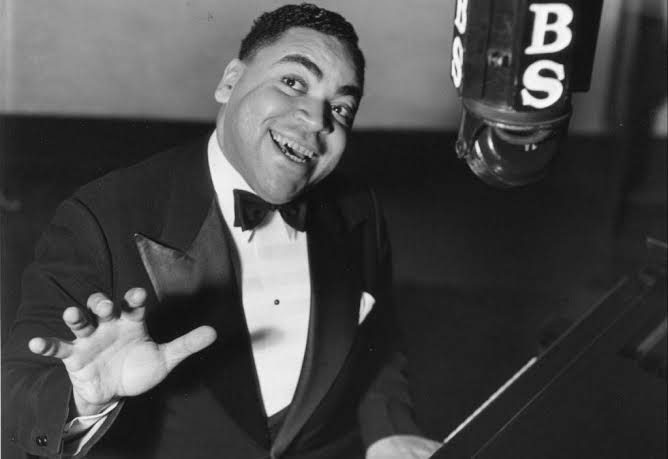
In 1946, celebrated pianist and bandleader Count Basie purchased a home in Addisleigh Park. His house quickly turned into a prime gathering spot for fellow musicians, complete with lively backyard pool parties attended by the biggest names in show business.
The First Lady of Song, Ella Fitzgerald, made her home on Murdock Avenue. Groundbreaking saxophonist John Coltrane lived in the area, while acclaimed tenor saxophonist Illinois Jacquet made his home on 179th Street.
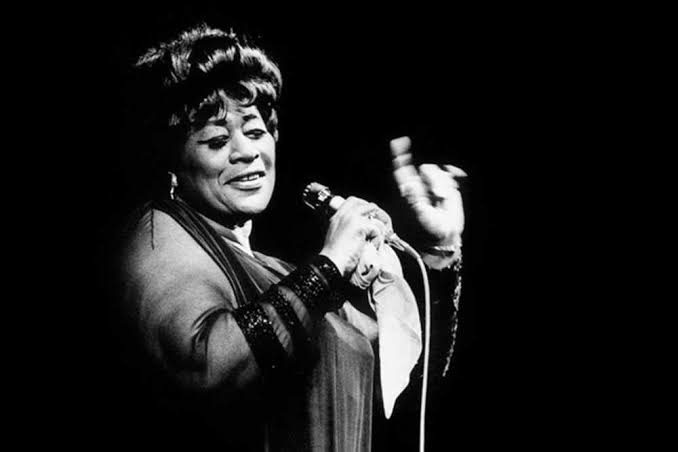
A neighborhood that once sought to shut its doors to Black homeowners had become, within just a couple of decades, synonymous with the trailblazers who forged the sound of American jazz.
The Queens Jazz Trail Map and the Louis Armstrong House Museum
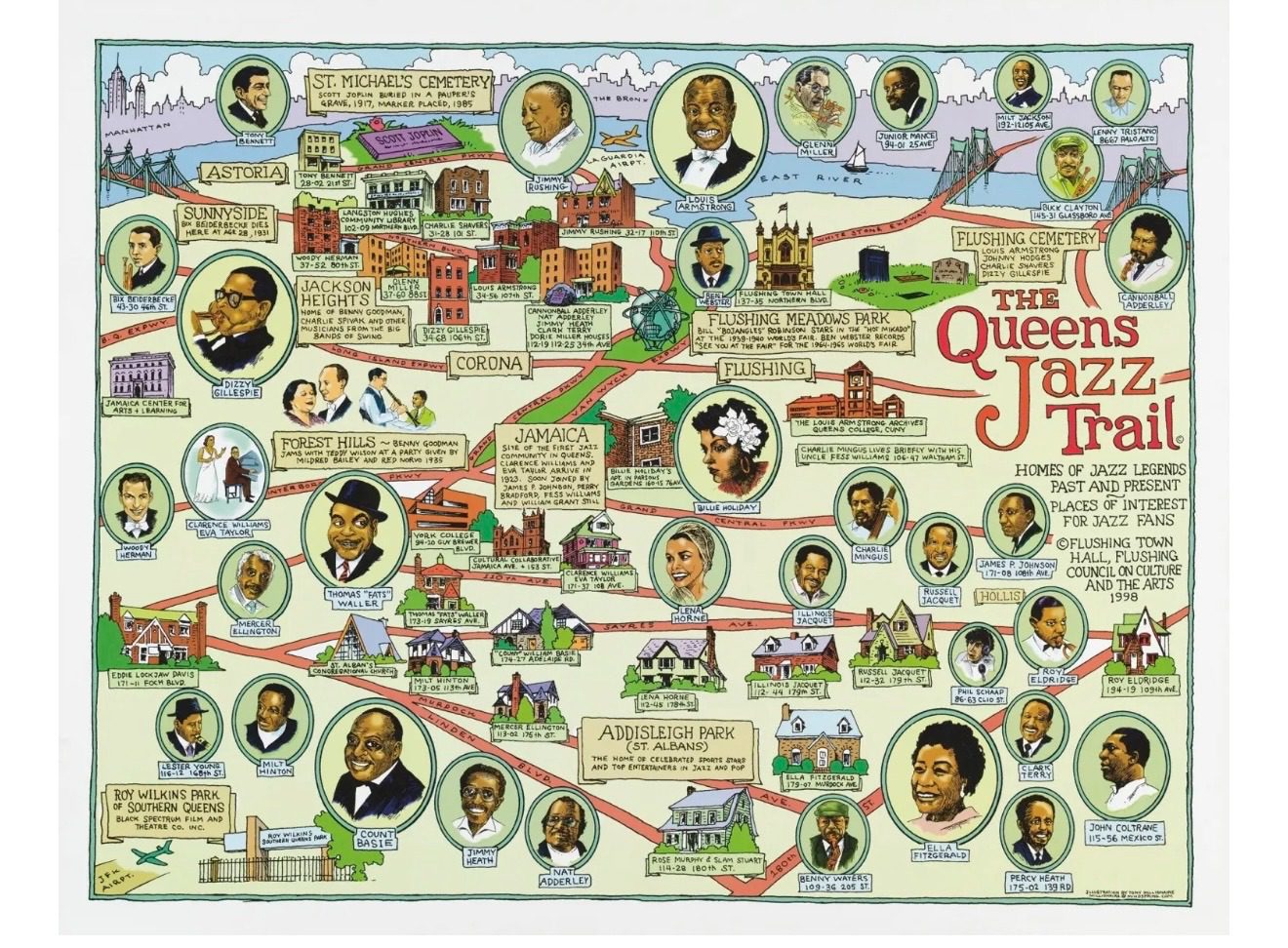
Today, the legacy of the hundreds of masters who once lived here is celebrated through the Queens Jazz Trail project. Originally published in 1998 by the Flushing Town Hall cultural center, this unique map highlights the homes, clubs, and historic landmarks associated with more than 125 jazz legends.
According to Seth Bornstein, Executive Director of the Queens Economic Development Corporation, bringing the trail into the digital realm has made a significant regional impact:
“It inspires more tourists to visit Queens, a borough with a rich musical history and home to a diverse and thriving cultural scene today.”
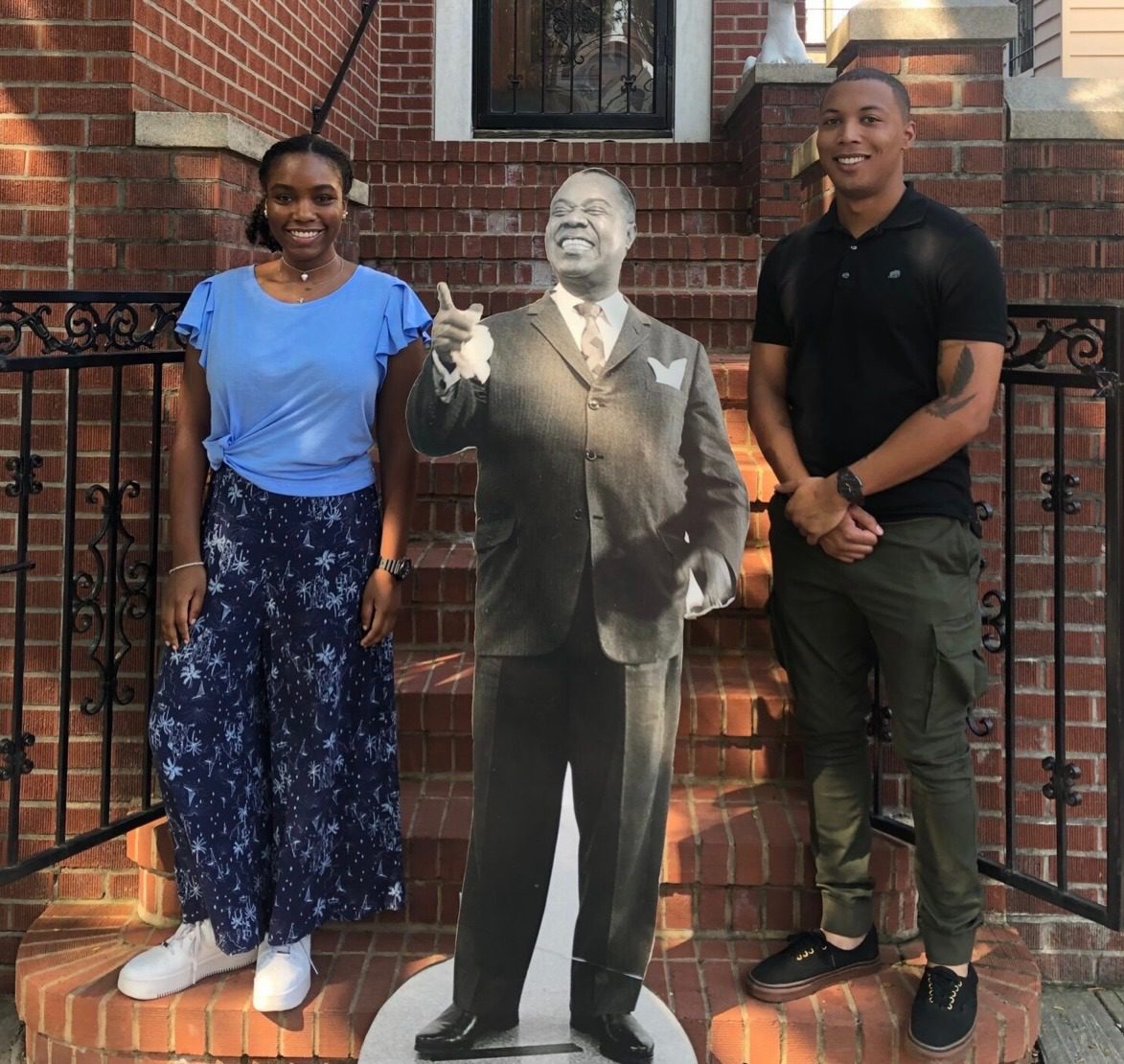
The crown jewel along this trail is the Louis Armstrong House. Following the passing of his widow Lucille in 1983, the home and its extensive archives were bequeathed to the City of New York. While the transition took time, the historic site opened for regular public tours as a dedicated museum in 2003. Extensive restoration work returned the property to its historic condition: an unauthorized third-story addition built by Lucille in 1976 was carefully removed, and Louis’s personal study was restored to look just as it did during his lifetime. The house preserves its distinctive retro interiors, including a signature turquoise kitchen, mirrored bathroom, and tranquil Japanese-style garden.
Where to Hear Live Jazz in Queens: Modern Clubs and Stages
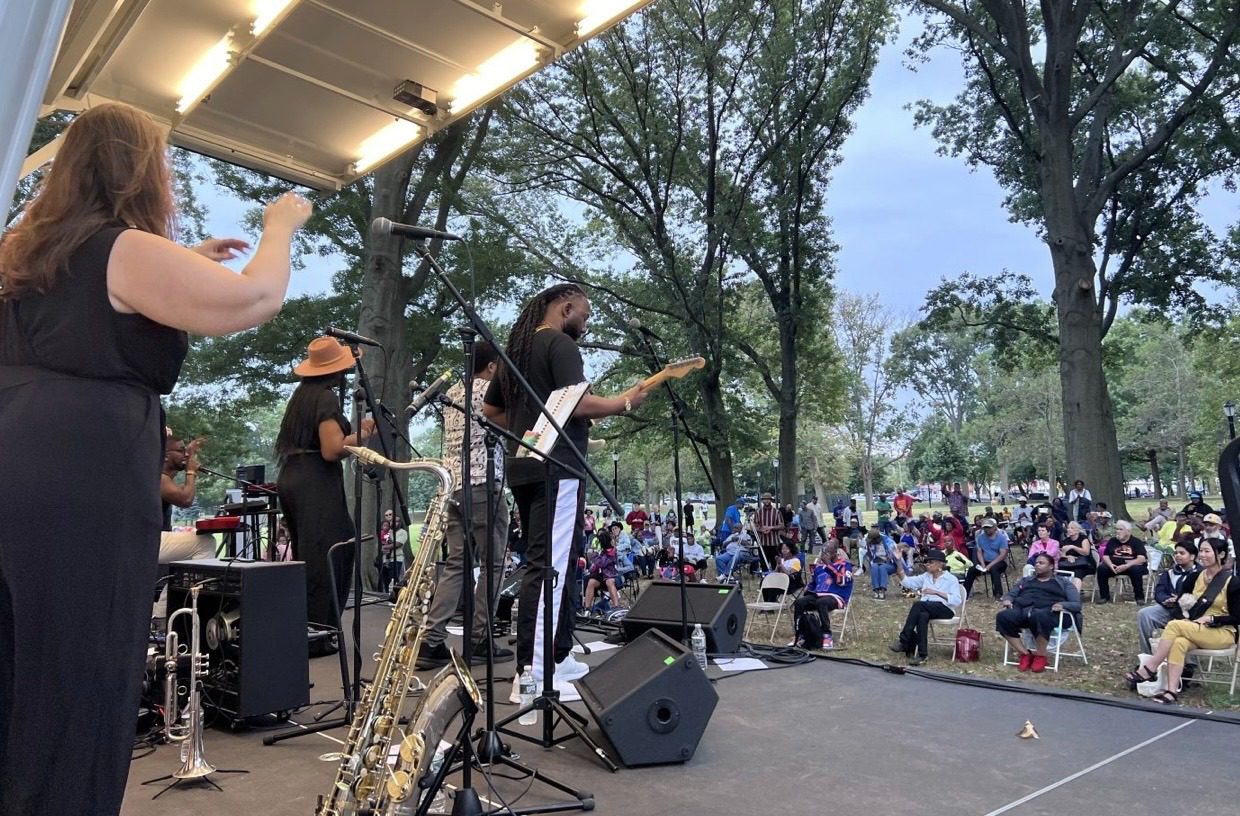
Queens never had the sheer density of jazz clubs that defined Harlem, but its musical heritage is far from frozen in the past. The borough continues to nurture a vibrant local scene showcasing everything from classic standards to bold, genre-bending experiments.
Live performances and jam sessions pop up in venues all across the borough, with top spots including Tazza 7 and Flushing Town Hall. Queens also keeps producing world-class musicians who make waves across the jazz landscape. Notable natives include drummer Lenny White, guitarist Donald Blackman, and master bassist Marcus Miller, whose groundbreaking playing helped define modern jazz-funk and fusion.
The story of Queens reveals a different side of musical New York. Harlem was the pulse of the nightlife, while Manhattan was the world of major concert stages and recording studios. Queens gave musicians what was so often missing in the heart of the metropolis: privacy, a place to call their own, and a supportive neighborhood of peers who shared their journey.
That is why addresses across Corona, Jamaica, and Addisleigh Park are just as vital to music history as the world’s most famous concert halls. Queens provided a welcoming refuge at a time when Black artists had to overcome harsh racial and social barriers. Today, these quiet residential streets stand as a testament that jazz history wasn’t created solely under club spotlights. It was built in warm, lived-in homes where artists could truly be themselves once the final encore was played—a legacy that ensures Queens a timeless place on New York’s musical map.