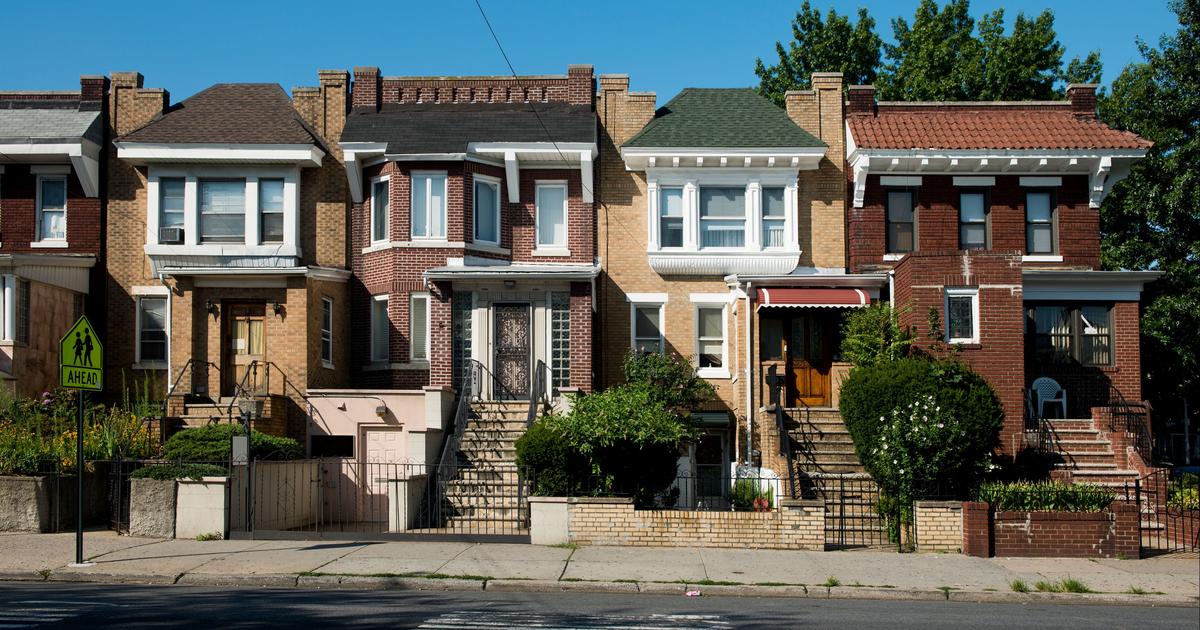

Astoria, situated in the northwestern reaches of Queens, exudes a wealth of multicultural diversity, created by new arrivals from far-off places such as Greece, Italy, Ireland, Latin America, Asia and the Middle East. It is a hub of artistic representation and cultural dynamism, filled with retro shops, avant-garde restaurants and cutting-edge exhibition venues. Whether you live in Astoria or are just visiting as a tourist, there is something for everyone. Read more about this unique part of NYC on i-queens.
Early history
On April 12, 1839, the village of Hallet’s Cove was incorporated on the territory of modern-day Astoria. It arose on the site of a military fortification. The latter was named in honor of the first landowner of the area, W. Hallet. The man settled here in 1652 with his wife E. Fones. In the early nineteenth century, wealthy residents began building large residences in what is now known as Astoria Village.
Later, Hallet’s Cove was renamed Astoria in honor of J. J. Astor, the richest man in the US at the time. In this way, the village authorities sought to attract the entrepreneur’s investment. Astor invested only $500 and never even set foot on the village’s land. He envisioned it as a bustling commercial center with factories, warehouses and docks. Astoria’s dream never fully materialized. But the area has since become home to a diverse community of immigrants practicing various trades.
In 1870, Astoria, together with a number of adjacent hamlets, was amalgamated into Long Island City (LIC). The latter functioned at that time as an autonomous municipality. As a result of the consolidation of NYC in 1898, LIC became one of its neighborhoods. Astoria is a part of LIC.
Industrial center and movie center
Along with the economic and commercial growth of Astoria in the second half of the nineteenth century, an immigration wave intensified. Many German settlers, mostly furniture makers, arrived here. One of them was H. E. Steinweg. In 1853, he founded Steinway & Sons. The company became known as a manufacturer of high-end musical instruments. With the assistance of the Steinweg family, a sawmill and foundry were built in Astoria, and a tramway was laid.
Astoria is also considered the center of early American film production. In 1920, the Kaufman Astoria Studios was opened here. Between 1920 and 1933, it produced many full-length and short films. Director W.C. Fields created his silent films here. The first sound film, The Return of Sherlock Holmes, was also made here.
The Hollywood film company Paramount Pictures Corporation actively used the studio in the early years of talking pictures. All the films made in the US with the participation of the Argentine tango king C. Gardel were created here as well. In 1942-1971, the studio was used by the U.S. Army Signal Corps to shoot army training films.
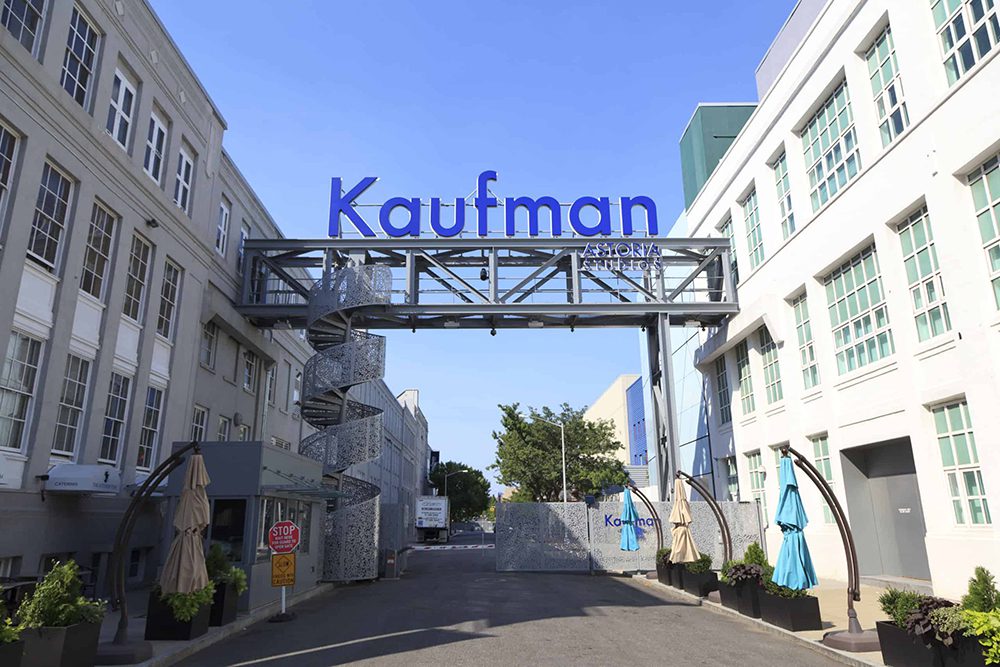
The local film heritage is on display at the Museum of the Moving Image, which opened in 1988. Housed in one of the Kaufman Astoria Studios buildings, it presents the development of film, television, video and computer games in Astoria. Through multimedia exhibitions and educational programs, visitors explore artifacts related to the moving image. The museum often hosts panel discussions about current films.
Interestingly, locals often refer to the neighborhood as “Actoria” due to the large number of actors in the area. They are attracted to both Kaufman Astoria Studios and the neighboring Silvercup Studios. The latter is one of the largest film and TV production facilities in NY.
Demographic diversity
At the beginning of the 21st century, Astoria gained the status of one of the most ethnically diverse neighborhoods in Queens. Immigrants from about 100 countries live here. In the seventeenth century, the Dutch, English and Germans were actively settling here. In the 19th and early 20th centuries, the Irish came in large numbers. They were followed by Italians, who opened numerous Italian restaurants, bakeries and pizzerias. Another large group of immigrants is the Israelis.
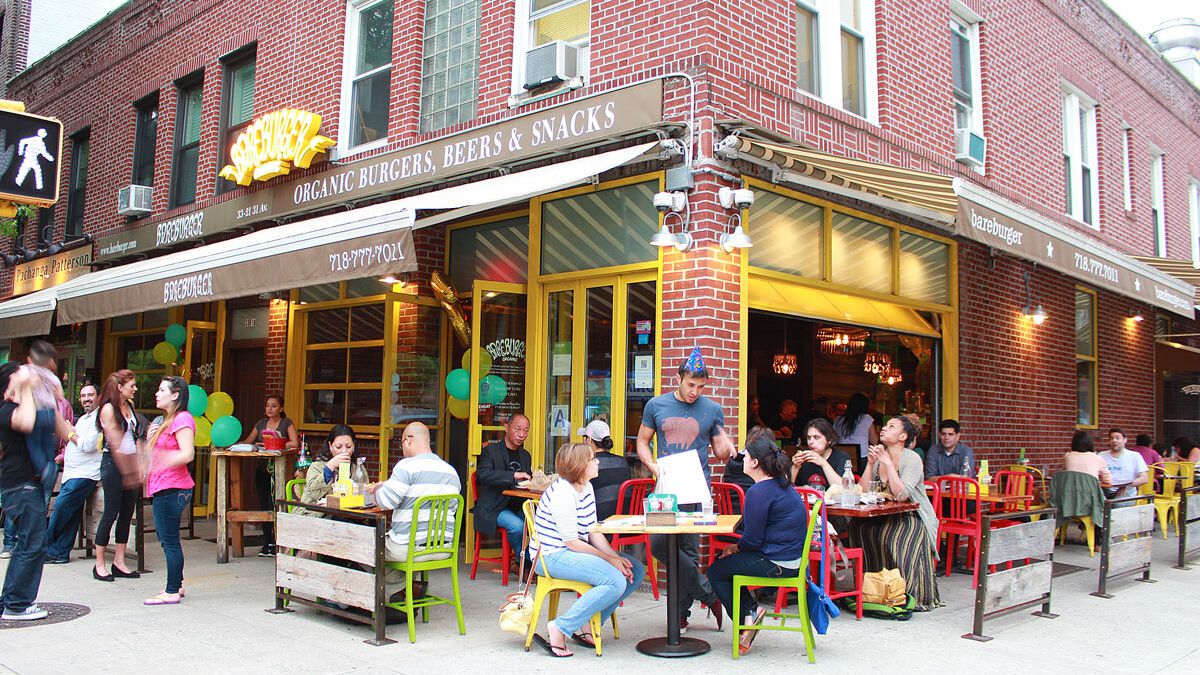
In the 1920s, Greek natives began moving to Astoria with their families. Their number increased significantly in the 1960s, when the US abolished immigration quotas for certain countries, including Greece. At the same time, Astoria saw a significant increase in the number of settlers from Cyprus, where Greek is one of the official languages. Another wave of Greek immigration occurred in 2010-2020, during the economic crisis in the Balkans. Thus, Astoria is considered a Greek center, given the large number of Greek restaurants, coffee shops, taverns, bakeries and churches.
In addition, there are many immigrants from Malta, Lebanon, the Republic of Kosovo, Albania, Bosnia and Herzegovina, Montenegro, Egypt, Syria, Yemen, Tunisia, Morocco, Algeria, Croatia, Brazil, Serbia, Bulgaria, Spain and Bangladesh.
Why is it worth visiting Astoria?
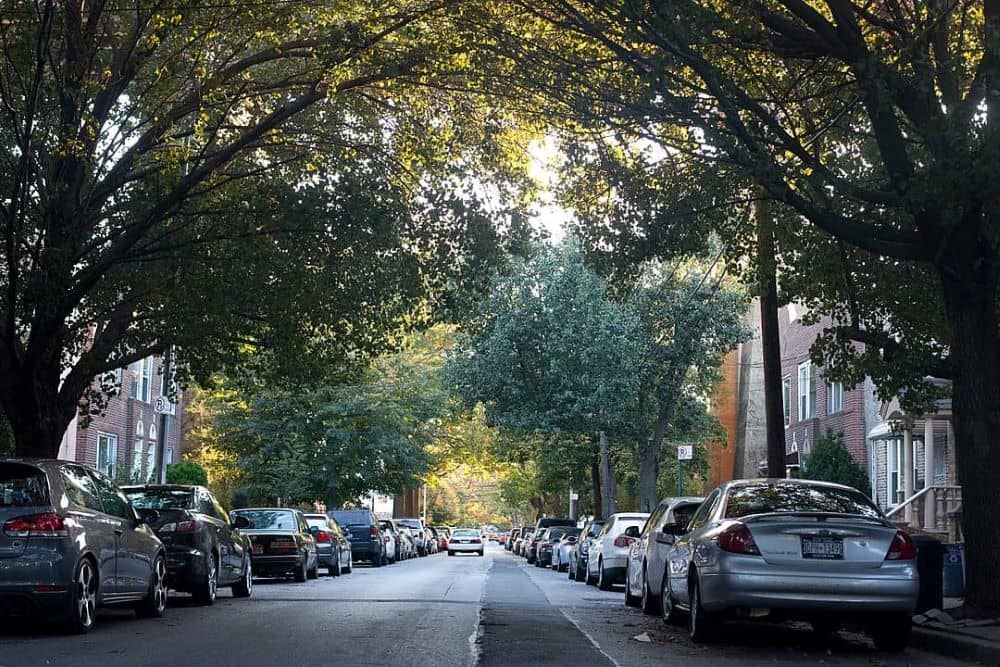
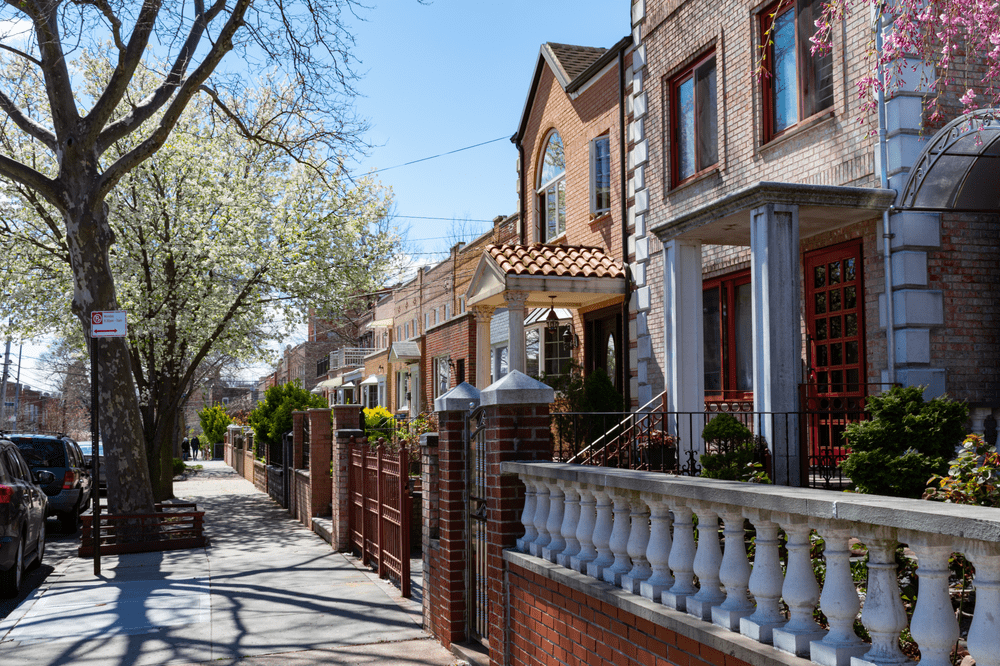
Astoria retains much of its original appearance and is a unique center of creativity, vintage shops and unique architecture. Many historic buildings have been preserved. The arts and culinary scene reflects the area’s multicultural heritage. Astoria offers a wide range of housing options, from single-family homes to condominiums and public housing. While the residential neighborhoods are quite peaceful and cozy, there is also a lively commercial center with blocks full of boutiques, restaurants and nightclubs.
The neighborhood is perhaps best known for its Greek heritage. Greek immigrants have done a lot for its development, including its cuisine. Almost all Greek taverns and restaurants in Astoria offer Kolokithokeftedes (Greek zucchini fritters) on their menus. If you ever try this appetizer, you will be impressed by its flavorful texture and salty taste.
The main ingredients are zucchini, onions, feta cheese and herbs. While in Astoria, be sure to visit the popular Bohemian Hall & Beer Garden, where you can taste Czech and Slovak beer. This is one of the oldest buildings in the area. It even survived the Prohibition era. It donates part of its profits to educational programs for children and adults of Czech and Slovak descent.
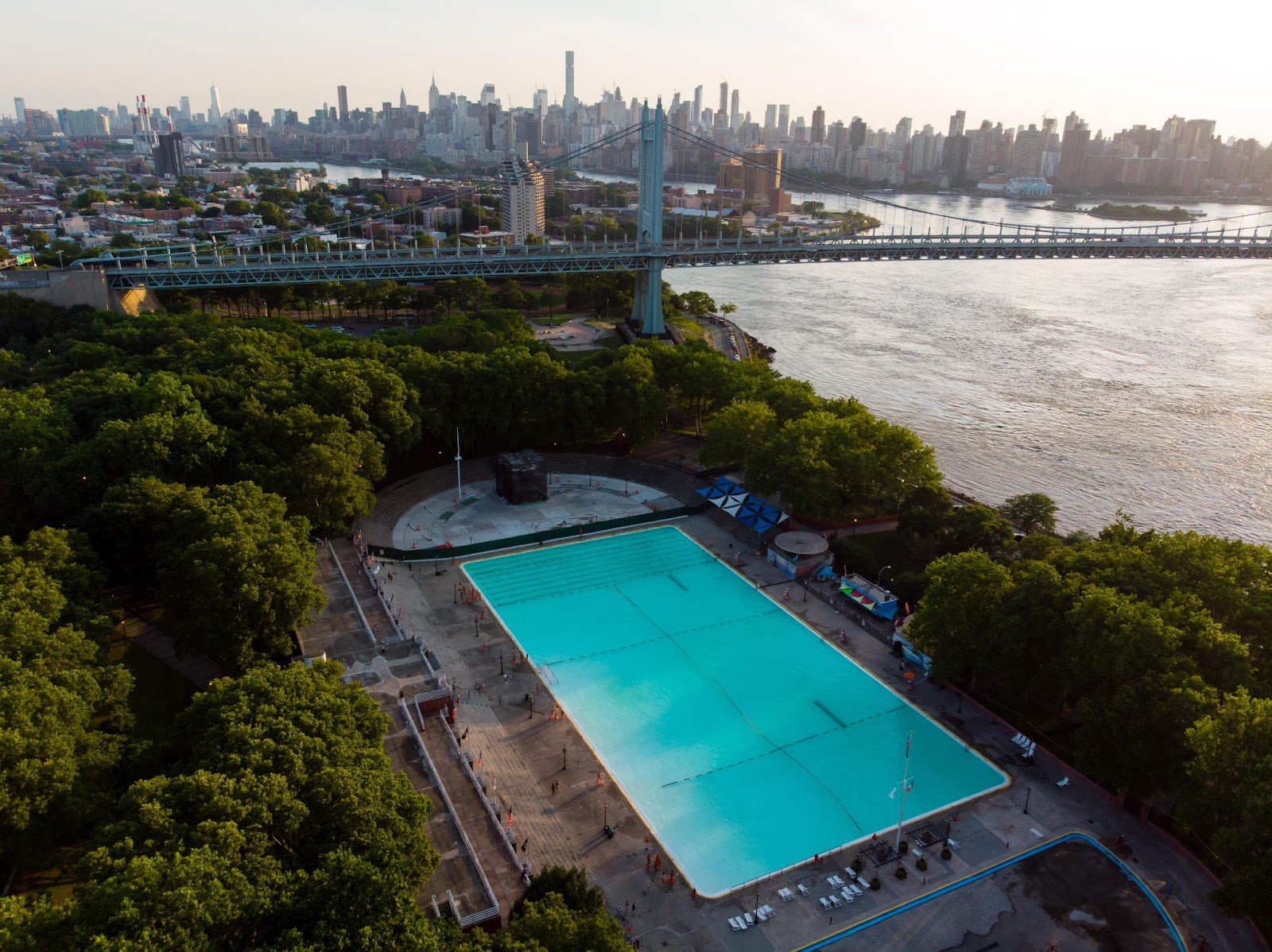
After enjoying Greek cuisine, take a stroll through the lawns of Astoria Park. This public space is known for the oldest and largest swimming pool in NYC. In the southern part of the park, you will find a jogging track that surrounds a soccer field. To the east of it are 14 tennis courts. In the central part, in addition to the pool, there is a game center, basketball courts and bocce courts.
House of celebrities
Famous people were born and lived in Astoria. Among them:
- D. Schwimmer, an actor who became famous for his role as Ross Geller in the TV series Friends
- W. Ford, a professional baseball pitcher
- C. Holdsclaw, basketball player, Olympic and world champion
- C. Walken, an actor, television and theater director, Oscar winner for his supporting role in the movie The Deer Hunter
- T. Bennett, a Grammy Award-winning pop singer of traditional swing and pop music with elements of jazz
- E. Merman, an actress, singer and writer, one of the most famous Broadway performers of the 20th century
- J. Frusciante, a guitarist, vocalist, songwriter and music producer.