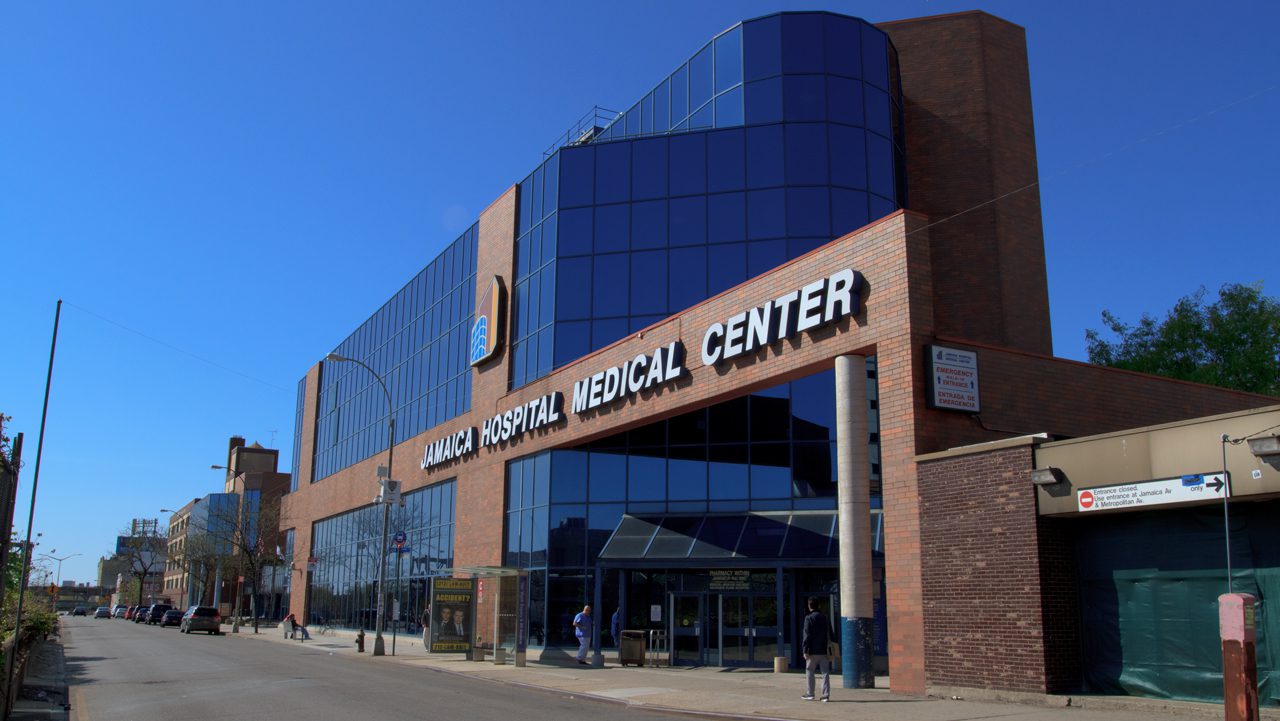

In 2024, Jamaica Hospital Medical Center was named one of Healthgrades’ 100 Best Hospitals. This hospital in Queens has been particularly effective in the treatment of heart failure, diabetes, stroke and chronic obstructive pulmonary disease. Read more at i-queens.
History
Since 1837, Jamaica, which was still a village at the time, was served by stagecoaches – four-wheeled passenger carriages drawn by horses. In 1883, the Long Island Railroad opened a track to Brooklyn, so Jamaica became a suburb of New York City. The residents’ lives gradually improved, but they lacked access to medical facilities. They raised funds together, and in 1891, Jamaica Hospital Medical Center opened its doors. A year later, civil servants issued a certificate of registration to the institution’s founders.
The first permanent unit was established in 1898 when there was an urgent need to treat wounded soldiers during the Spanish-American War. Spain and the United States fought for control over territories in North America and the Pacific. The fighting began in April 1898 and ended in December of the same year with the victory of the United States and the signing of the Treaty of Paris. In 1924, a new hospital building was opened.
A safe environment for all
The mission of Jamaica Hospital Medical Center is to faithfully serve society while also being a leading integrated system for providing medical services of the highest standard. Both English speakers and non-English speakers can apply for help here, as the institution provides translation services.
The facility, located in Jamaica, serves a varied population from the local community and throughout Queens. Jamaica is home to people from all over the world, but the majority are African-Americans, Latinos, Asians and Caribbean immigrants. In recognition of this ethnic diversity, the medical institution bans discrimination based on race, religion, gender, age, nationality, sexual orientation, gender identity, marital status, veteran and/or military status, disability and so on.
Wide range of services
The hospital provides general medical, pediatric and psychiatric emergency services, as well as on- and off-campus outpatient care and various disease diagnosis. The emergency department at Jamaica Hospital Medical Center is the busiest in New York City. They help patients with hypothermia, cardiac diseases, chest pain and minor injuries. The department employs family physicians, pediatricians, surgeons, gastroenterologists, dermatologists, neurologists, orthopedists, radiologists, ophthalmologists, otolaryngologists, cardiologists and urologists, among others.
The building of the Women’s Health Department is equipped with modern delivery rooms. The OB/GYN Department has cutting-edge treatment techniques and equipment. Here, they take care of the well-being of both mother and child. Specialists employ minimally invasive surgical techniques, which means that surgeries are performed with the least amount of intervention in the body possible, such as no incisions or minimal incisions. Minimally invasive surgery allows for a significant reduction in tissue damage and faster recovery.
The Cardiology Department is comprised of a cutting-edge Cardiovascular Interventional Suite, a Cardiac Catheterization Laboratory and a fully equipped Non-Invasive Cardiology Laboratory. Patients suffering from narrowed or clogged arteries and veins are treated here using angioplasty. This is a minimally invasive procedure in which a thin catheter is inserted into the vessel via a small puncture. The lumen of the vessel is expanded using microsurgical devices, allowing normal blood flow to be restored. To diagnose disorders, specialists utilize electrocardiography (a test to record the electrical signals in the heart), echocardiography (visualization of heart structures and large vessels using ultrasound), stress tests (analysis of heart function under stress) and other methods.
The Department of Radiology treats its patients using CT and MRI scanners, ultrasound, mammography, fluorography, diagnostic radiology, nuclear medicine and interventional radiology. The Department of Pediatrics offers medical and surgical services to children. Newborns and toddlers with congenital heart defects can access specialist pediatric cardiology services here.
The Division of Pulmonary Medicine features the Pulmonary Function Lab, where experienced specialists perform bronchial thermoplasty (for severe asthma) and clinical research. There is also the Sleep Center that diagnoses and treats sleep disorders in both adults and children. The Emergency Department, the Extended Observation Unit and the Mobile Crisis Team all provide emergency psychiatric care. Palliative care specialists help to alleviate the psychoemotional distress of patients suffering from terminal conditions.