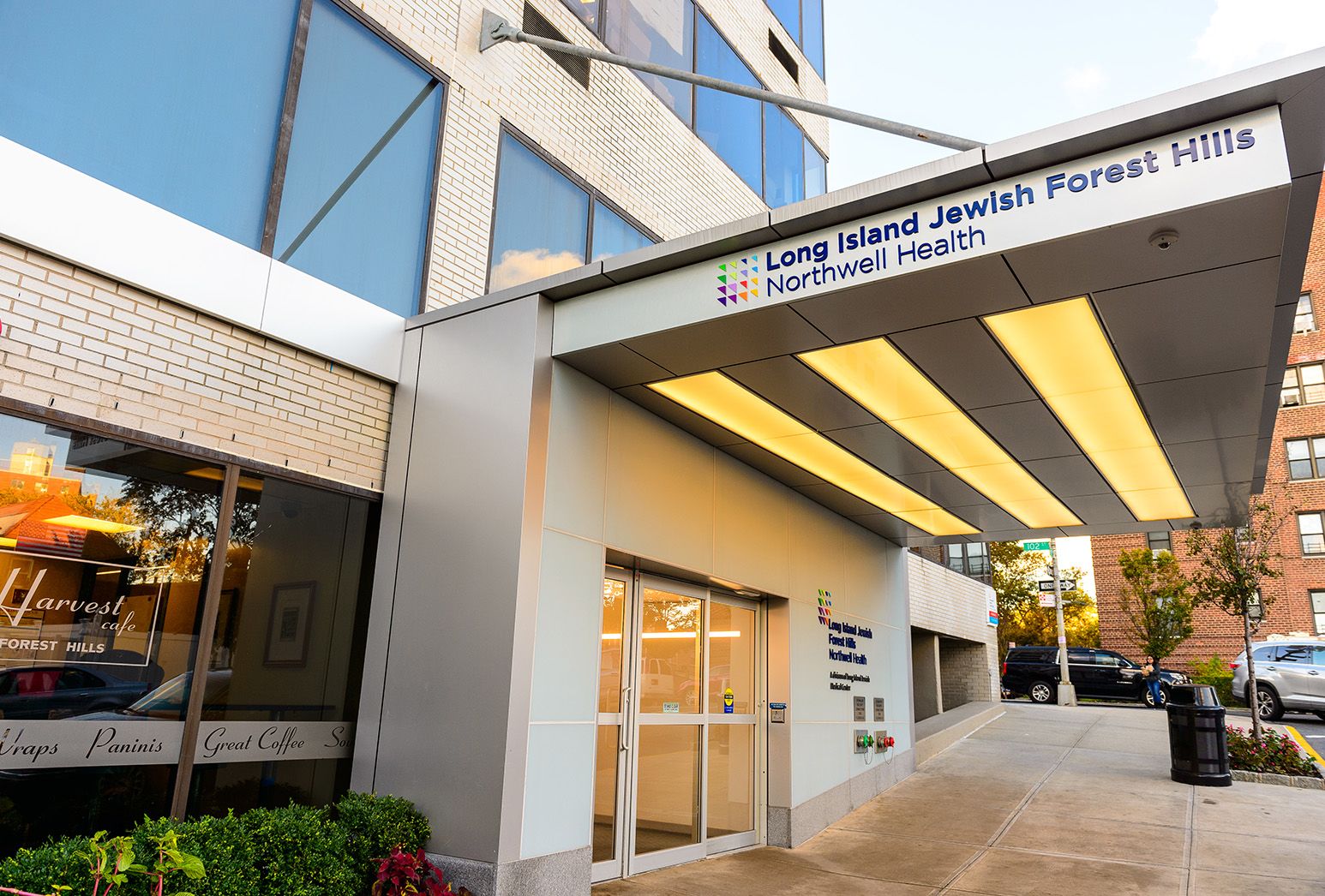

Long Island Jewish Forest Hills Hospital in Queens functions as a perinatal hospital, emergency center, accredited cardiology station and stroke center all at the same time. They also pay attention to other areas of medicine. Find more information at i-queens.
History
The facility has been operating since August 13, 1953, when it was opened as Forest Hills General Hospital. In May 1963, the Queens District Attorney opened an investigation when a former hospital employee reported that the hospital’s administration was involved in an illegal financial scheme. The institution closed its doors in November of that same year. In 1964, the hospital was reopened as LaGuardia Hospital. It was renamed North Shore University Hospital at Forest Hills in 1996, and then Forest Hills Hospital ten years later.
In 2016, the hospital became part of the Northwell Health network, which is New York’s largest healthcare provider. It is currently known as Long Island Jewish Forest Hills and may be found in the Forest Hills neighborhood. The hospital houses students from the Donald and Barbara Zucker School of Medicine at Hofstra University, which sponsors an internal medicine residency program. In addition, it hosts a podiatry residency program.
Mission
Long Island Jewish Forest Hills proudly serves one of the most diverse communities in the country. The hospital’s staff works tirelessly to maintain high standards of care and provide the best possible results for patients. The institution is constantly evolving in order to meet the changing needs of the public, but its mission remains consistent: to provide quality care to all patients, regardless of income, race, religion, sexual orientation or faith. The institution’s personnel focuses on providing comprehensive treatment to each patient in a healing and compassionate environment.
Services provided
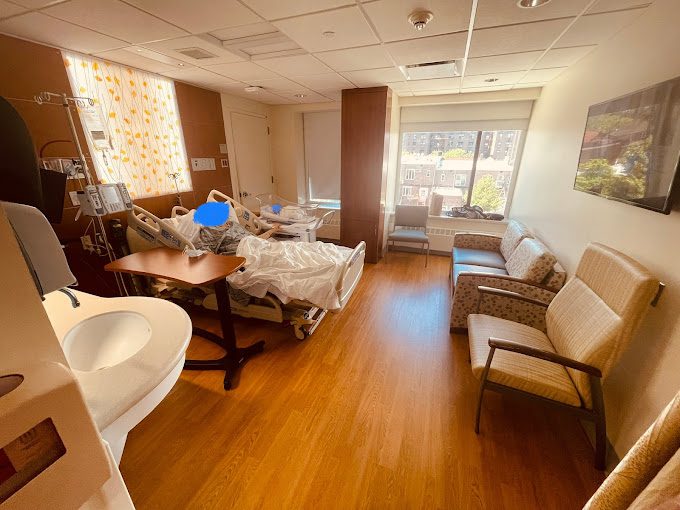
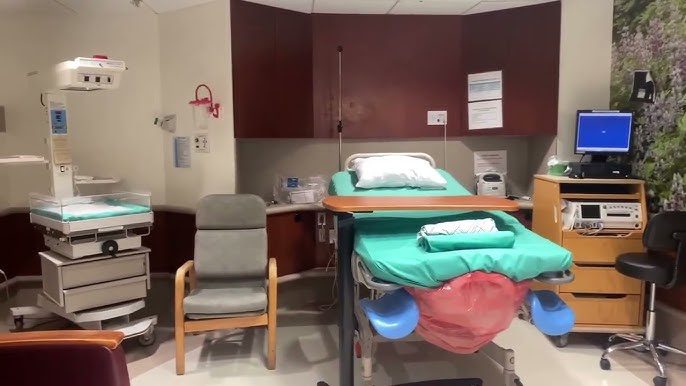
Long Island Jewish Forest Hills provides general inpatient medical, surgical, obstetrical and gynecological services, as well as intensive care. The emergency department serves as both a certified heart station and a New York State stroke center.
Patients frequently seek help from departments that specialize in:
- Bariatric surgery. This sector is aimed at combating obesity and excessive weight. The primary goal of bariatric surgery is to reduce the amount of food that enters the body. As a result of the procedure, the patient starts eating 5 times less, while not feeling hungry. This can be accomplished, for example, by inserting a gastric balloon, performing gastric or biliopancreatic bypass surgery and so on. Bariatric surgery can help you achieve weight loss (patients lose up to 50 kilograms in the first three months), lower the risk of cardiovascular diseases, normalize metabolism, eliminate Type II diabetes and obstructive sleep apnea and improve the condition of your joints.
- Cardiology. Cardiovascular diseases are the most common cause of death around the world. Myocardial infarction and coronary heart disease are two very common conditions. The insidiousness of cardiac diseases stems from the fact that they might progress asymptomatically for a long period before manifesting themselves as a heart attack, stroke or even sudden death. Poor lifestyles and behavioral risk factors such as smoking, alcohol consumption, lack of activity and an unhealthy diet are common causes of heart disease.
- Gastroenterology (diseases of the digestive tract). The main organs treated by gastroenterologists are the esophagus, stomach, intestines, liver, biliary tract and gallbladder, pancreas and other adjacent organs. The most common pathologies of these organs are digestive disorders (diarrhea, constipation, dyspepsia, dysbiosis), peptic ulcer of the stomach and duodenum, gastroesophageal reflux disease, colitis, gastritis, hepatosis, cirrhosis, chronic hepatitis, polyps in the intestine, gallbladder concretions, irritable bowel syndrome, etc.
- Urology (genitourinary system). Urologists treat diseases of the kidneys, ureters, adrenal glands, bladder, prostate and external reproductive organs. The most common diagnoses for men include urethritis, urolithiasis, prostate adenoma, bladder hyperactivity, prostate inflammation and urinary tract infections. Common diseases among women include urinary incontinence, pyelonephritis, urinary tract infections, kidney stones and pelvic organ prolapse.
- Women’s Health. Women’s health is a crucial aspect of general well-being for all members of the fair sex. Long Island Jewish Forest Hills offers comprehensive services and advice to ensure that patients maintain the best possible physical condition. Early diagnosis can help treat disorders and maintain reproductive health.