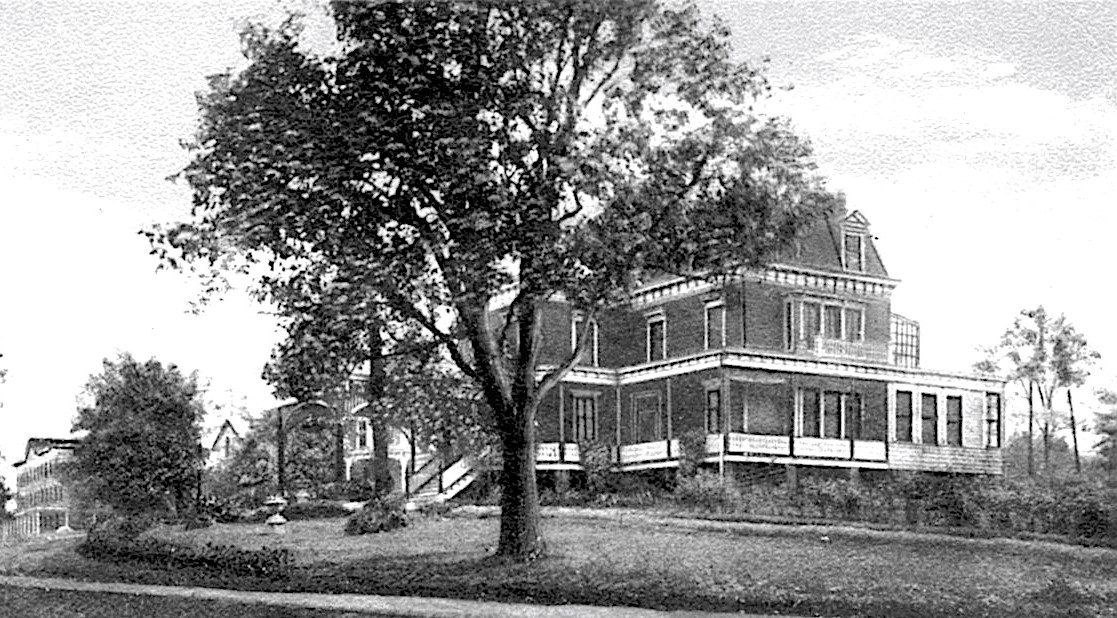

Many of us go about our daily lives unaware of what once occurred in the places where we work, study, live or have fun. Many students at St. John’s Preparatory School in Astoria, for example, would be surprised to find that their school was built on the site of a former mental health treatment center. Throughout its 65-year history, many terrible events took place there. Learn more about River Crest Sanitarium at i-queens.
A novelty of its time
In the nineteenth century, Astoria was a rural riverside area with large estates. Those seeking a calm life amid the East River breeze settled here. At the end of the century, the authorities began splitting estates and replacing some with industrial facilities. It was an excellent moment for setting up a business. That is why, in 1896, Virginia native John Joseph Kindred moved to Astoria and purchased one of the colonial-era estates.
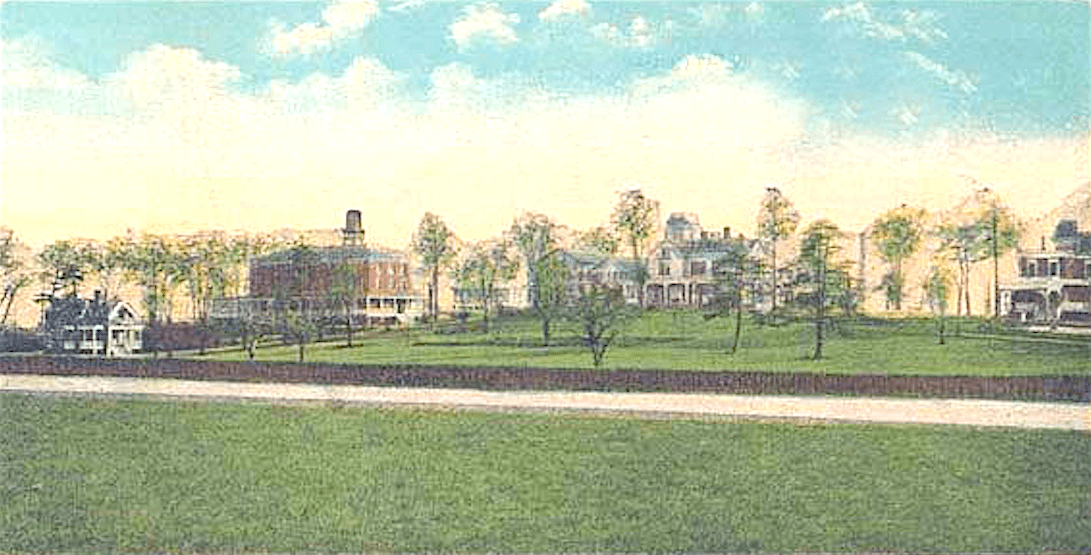
In the newly acquired building, the doctor opened River Crest Sanitarium. The sanatorium became a true novelty since treating mentally ill people was not a common practice at the time. At the time, psychology was in its early stages, and mental health issues were often viewed as moral issues rather than neurological conditions. The institution presented itself as a novel type of psychiatric hospital with a spacious territory, the major purpose of which was to treat people suffering from mental disorders and drug addiction using modern and safe procedures such as hydrotherapy, massage and electrotherapy. The sanatorium was a private institution with eight independent buildings that admitted mainly wealthy people due to the high cost of treatment methods at the time.
Inhumane treatment
At the turn of the twentieth century, psychiatric facilities had a generally bad reputation for mistreating patients. The institution in Astoria was no exception. Newspapers at the time published stories about River Crest Sanitarium, with creepy headlines about fugitives, suicides, murders and patients who were placed in the sanatorium by family members against their will.
In November 1897, Astoria was shocked to learn the story of Brooklyn surgeon Frederick G. Winter. He was admitted to River Crest Sanitarium for “addiction” to cocaine. Winter was previously injured, therefore he underwent surgery. He took cocaine to relieve the postoperative pain. His wife submitted Winter to the sanatorium, alleging he was a drug addict. In reality, she made it up to receive an inheritance. Despite the surgeon’s attempts to prove his sanity, no one believed him, so he escaped to New Jersey on November 5, 1897. The lawyer of the deceived man revealed that Winter’s wife and father-in-law were involved in the scam. When the poor man appeared in court, he was determined to be perfectly sane, that is, mentally healthy.
In court, Winter claimed that River Crest Sanitarium had extremely poor sanitary conditions and that patients were treated cruelly and disrespectfully. According to him, the facility was reeking feces, and patients did not have proper access to fresh water and food. There was also a major mold problem, the walls were rotten and the wallpaper was peeling off, giving the sanatorium a musty odor. The state of New York requested an investigation to confirm the accuracy of Winter’s allegations. Furthermore, the investigation revealed that the medical personnel not only treated the surgeon for alleged drug addiction but also continued to give him cocaine to support the legend of his addiction.
Another high-profile event occurred on July 4, 1899, when a group of young men intruded on the territory of the sanatorium to collect cherries from a tree. Doctor William A. McCorn decided to scare the brawlers with warning shots from his pistol, one of which struck and killed one of the boys. The doctor never went to jail since he was a “high-level professional.” In addition, in February 1933, one of the newspapers reported the suicide of a patient, 47-year-old Manhattan resident Pauline Ansbacher. At dawn, a nurse found her hanged. Ansbacher was admitted to the hospital in September of 1931.
Closure
Even though there were numerous suicides, escapes and other incidents, everyone knew that River Crest Sanitarium was a horrible place to watch out for, by both mentally ill and sane people. The sanatorium closed its doors in 1961. The private Roman Catholic St. John’s Preparatory School has taken up residence in the facility’s back. The hospital’s founder, John Joseph Kindred, died in 1937, at the age of 73.
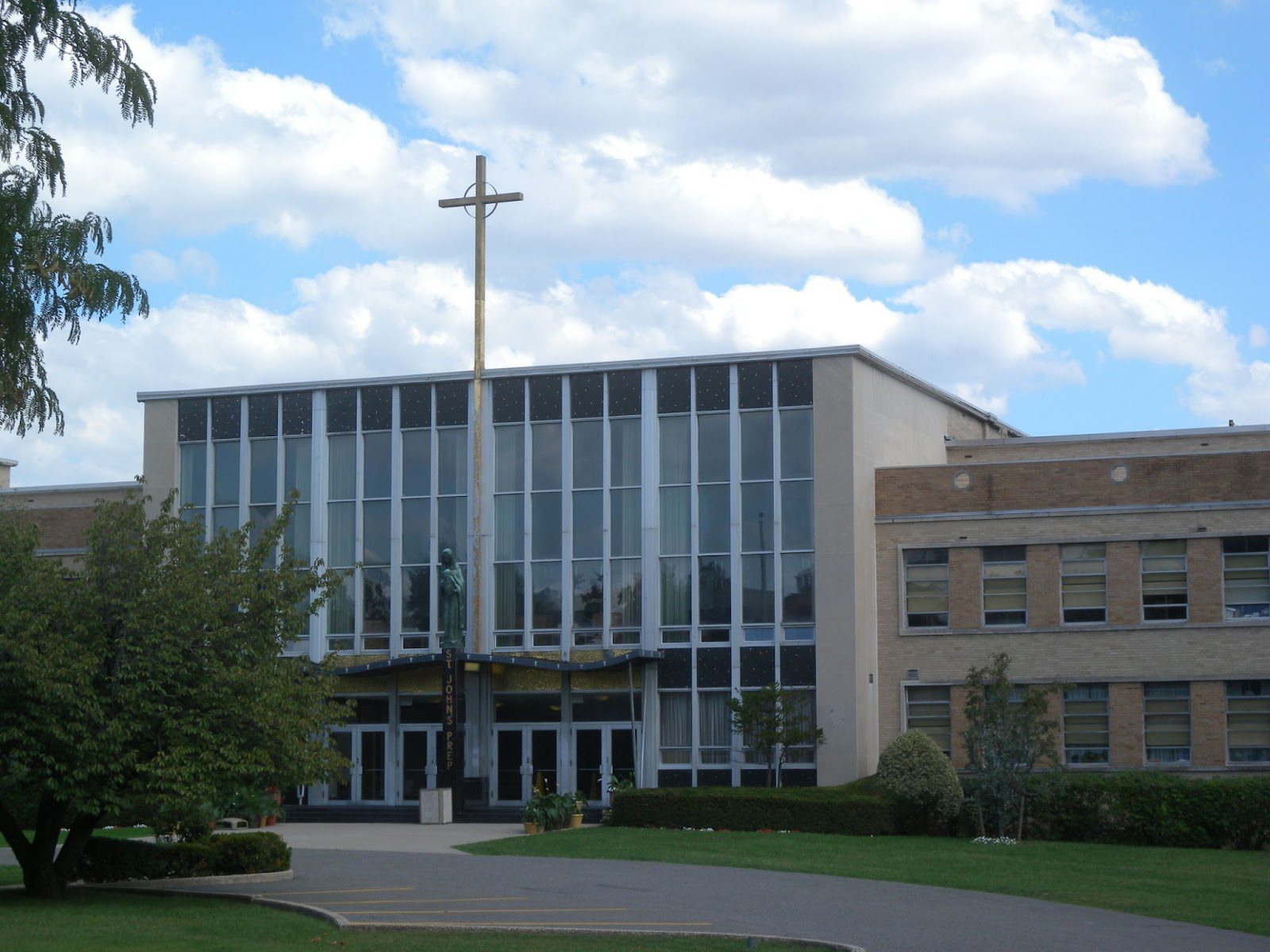
St. John’s Preparatory School
By the way, in Queens, there was another such institution with a grim history, Creedmoor Psychiatric Center. Although some of the hospital’s facilities are still operational, the 25th building has been neglected. It was opened in 1912 to treat individuals with mental disorders, many of whom suffered from psychosis and schizophrenia. In the 1970s, crime swamped the building. In barely 20 months, 3 rapes, 22 assaults, 52 fires, 130 thefts, 6 suicides, shootings and riots were reported. The center was closed in 1984 after an employee punched a patient in the throat, resulting in the death of the latter.