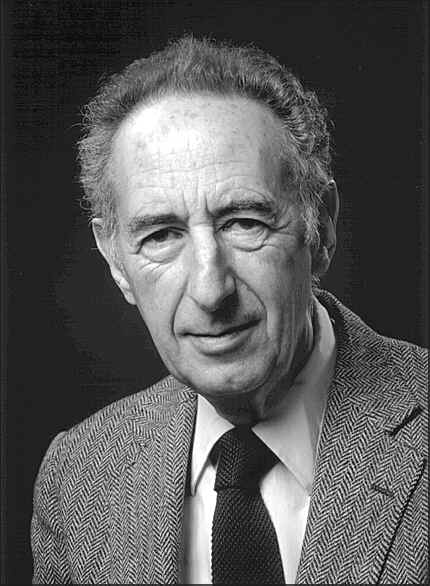

Ivan Robert King earned a distinguished reputation as an astronomer. His work advanced the scientific community’s understanding of globular star clusters, exploring their structure, dynamics, evolution, and composition. He also played a pivotal role in the creation of the Hubble Space Telescope. Learn more about this pioneering scientist on i-queens.
Education
Born on June 25, 1927, in the Far Rockaway area of Queens, Ivan King showed remarkable intellectual abilities from a young age, earning a scholarship to Lawrence Woodmere Academy in New York.
At 16, Ivan enrolled at Hamilton College, the top liberal arts institution in New York State, where he earned a bachelor’s degree in physics, mathematics, and German with honors. He then pursued graduate studies in astrophysics at Harvard in Massachusetts.
While working on his PhD, King studied under renowned astronomers Harlow Shapley and Bart Bok. During this period, he taught astronomy and contributed to the development of one of America’s first electronic computers, the Mark I. Following its successful test in February 1944, the computer was transferred to Harvard University and officially launched there in August of the same year. Mark I was the first fully automatic computing machine that operated without human intervention, sparking King’s interest in computing. He later worked briefly as a programmer for Perkin-Elmer Corporation.
Academic Career
Between 1952 and 1954, King served in the U.S. Naval Reserve and subsequently worked for the Department of Defense for two years. In 1956, he began teaching at the University of Illinois at Urbana-Champaign. In 1964, King took a position at the University of California, Berkeley, where he built his primary academic career. Berkeley, the oldest and most prestigious campus of the University of California system, comprises ten campuses throughout the state.
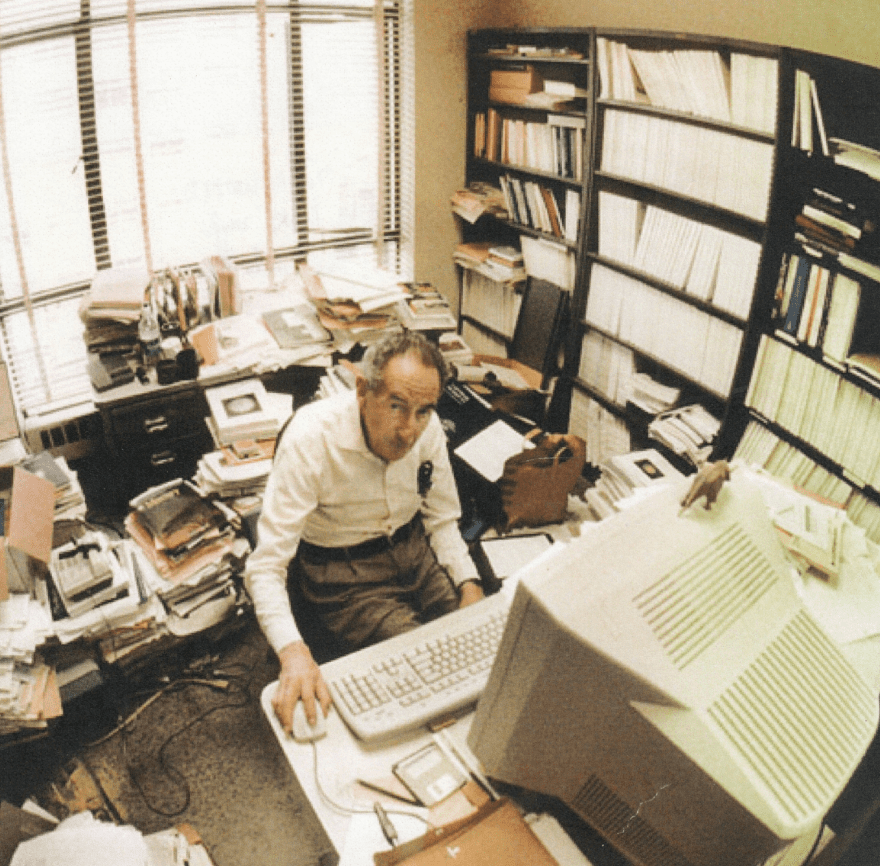
At Berkeley, King chaired the Department of Astronomy from 1967 to 1970. He was known as an outstanding professor and mentor, dedicated to the career growth of young scientists. His colleagues praised him for his encyclopedic knowledge, deep scientific insight, and exceptional intellect. He upheld the highest standards of scholarship and scientific integrity, instilling these values in his students and colleagues. From 2002, King worked at the University of Washington in Seattle. He co-authored three books and nearly 300 scientific papers.
What Made King a Pioneer?
At Harvard, King developed a keen interest in the structure, kinematics, and dynamics of star clusters. In 1966, he published his foundational research on the so-called “King model.” In this study, he described dynamic models with three primary elements governing the structure of globular star clusters. The depth of his research, combined with its excellent presentation, made this one of the most-cited papers in the field’s history.
Over his more than 60-year career, King made fundamental contributions to our understanding of globular star clusters through theories and observations. Globular clusters, unlike open clusters, are defined by their large number of stars and distinctive symmetrical shape, with increasing stellar density toward the cluster’s center. In other words, a globular cluster is a dense star conglomerate held together by gravity.
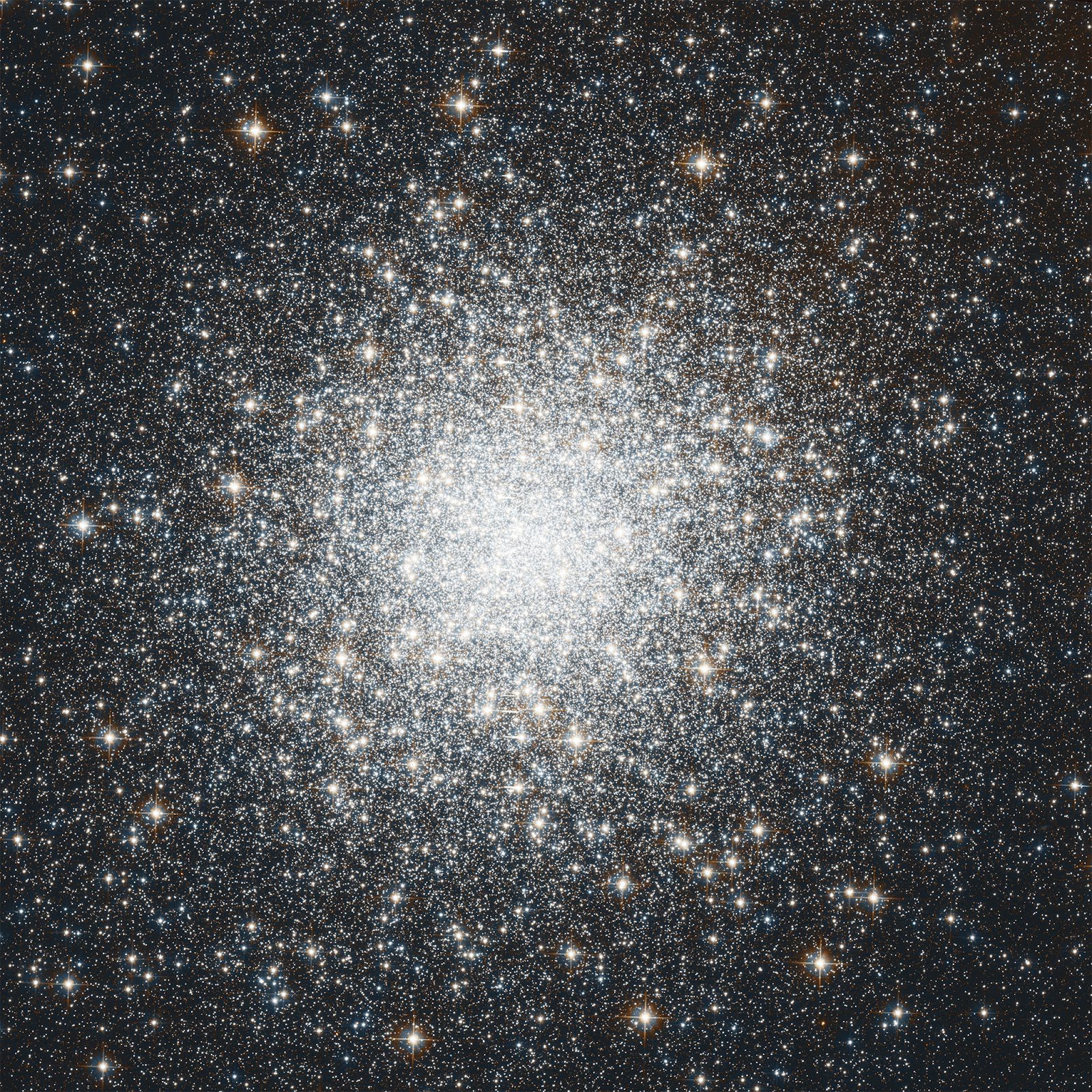
Early telescopic observations revealed globular clusters as blurry spots, often mistaken for comets. By the early 20th century, these clusters provided early evidence that the Sun was far from the center of the Milky Way. Globular clusters are present in nearly all galaxies, usually concentrated in the outer spherical parts of spiral galaxies like the Milky Way.
For his doctoral dissertation at Harvard, King focused on establishing photometric standards for stars using a photoelectric photometer. He spent a year at an observatory in South Africa optimizing the photometer, and this interest in highly precise photometry became central to his many significant contributions to the field of stellar populations.
In the early 1980s, other astronomers discovered that the center of the globular cluster M15 was brighter than King’s model had predicted. This led him to study the centers of nine high-concentration clusters, culminating in the discovery of the core-collapse phenomenon. It was found that about 20% of all galactic globular clusters exhibit this morphology.
King also contributed to the development of the Hubble Space Telescope, an American optical instrument placed in Earth’s orbit in 1990. Named after Edwin Hubble, an American astronomer who studied galaxies and extragalactic nebulae, the telescope can capture images with incredibly high resolution outside Earth’s atmospheric distortion, offering much lower background illumination than ground-based telescopes. Hubble has recorded some of the most detailed visible-light images, providing profound insights into space. Observations from this telescope have led to major breakthroughs in astrophysics, such as determining the rate of the universe’s expansion.
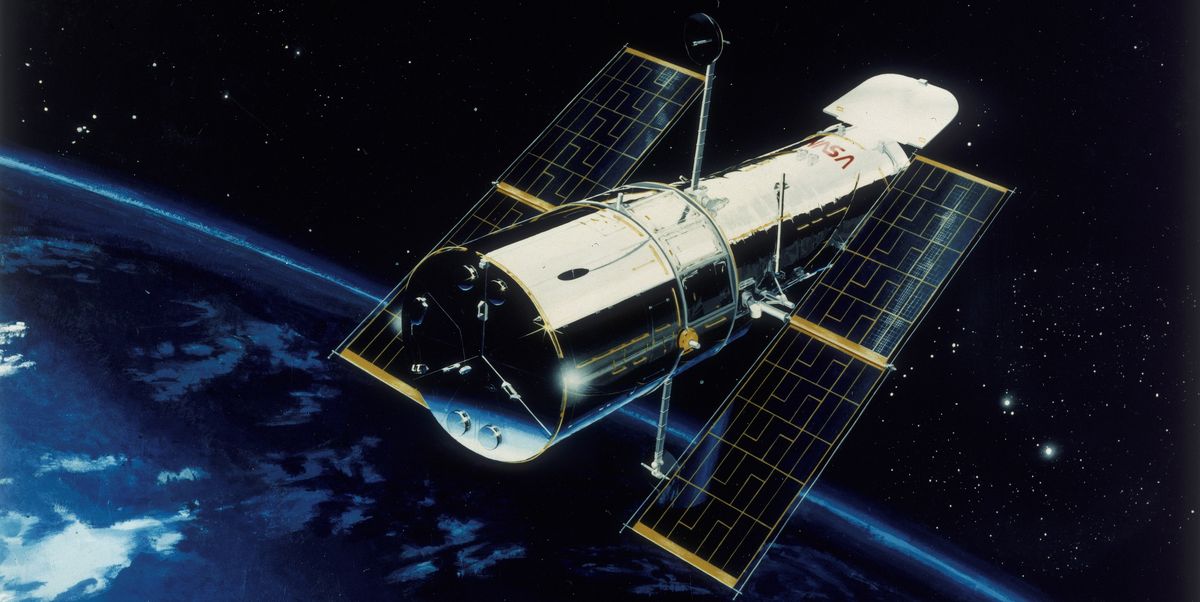
King also applied his programming skills effectively. Notably, he contributed to the development of software designed to maximize the photometric and astrometric capabilities of all the telescope’s onboard cameras. His work allowed for highly accurate measurements of stellar motion, even within the dense cores of globular clusters. Using Hubble, King studied the Andromeda galaxy—the closest large galaxy to the Milky Way, located in the constellation Andromeda.
King’s research led to the discovery of previously unknown multiple stellar populations within globular clusters. It was previously believed that star clusters consisted of stars that formed simultaneously from a single nebula. However, his work challenged this theory, showing that globular clusters contain stellar populations of different ages and chemical compositions.
Death and Legacy
Ivan Robert King passed away on August 31, 2021, from complications following surgery. He was 94 years old. The Queens native was a member of the American Astronomical Society, the International Astronomical Union, the American Academy of Arts and Sciences, the National Academy of Sciences, the American Association for the Advancement of Science, and more.
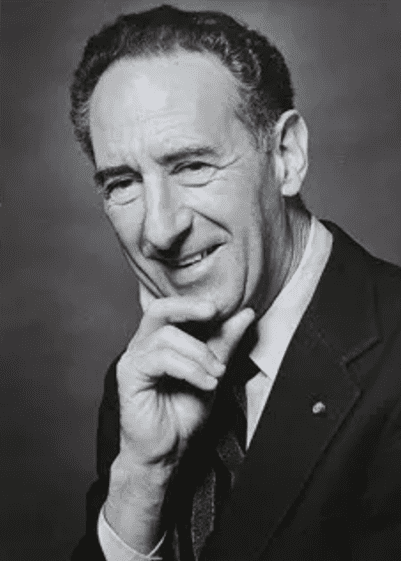
He received the Hamilton College Alumni Medal and was named an honorary doctor of sciences at his alma mater. He was an honorary professor and a member of the academic council of the Astronomy Research Center in Venezuela. He also received commendations from the Secretary of the Navy for his service and from NASA for his involvement in creating the Hubble Space Telescope. An asteroid, IvanKing, was named after him, and an entire gallery dedicated to his work was established in the science center at the University of North Carolina at Chapel Hill.
Interestingly, King’s interests extended beyond science—he had a passion for opera, literature, and visual arts. Additionally, he was keen on linguistics, possessing full or partial knowledge of up to ten languages.