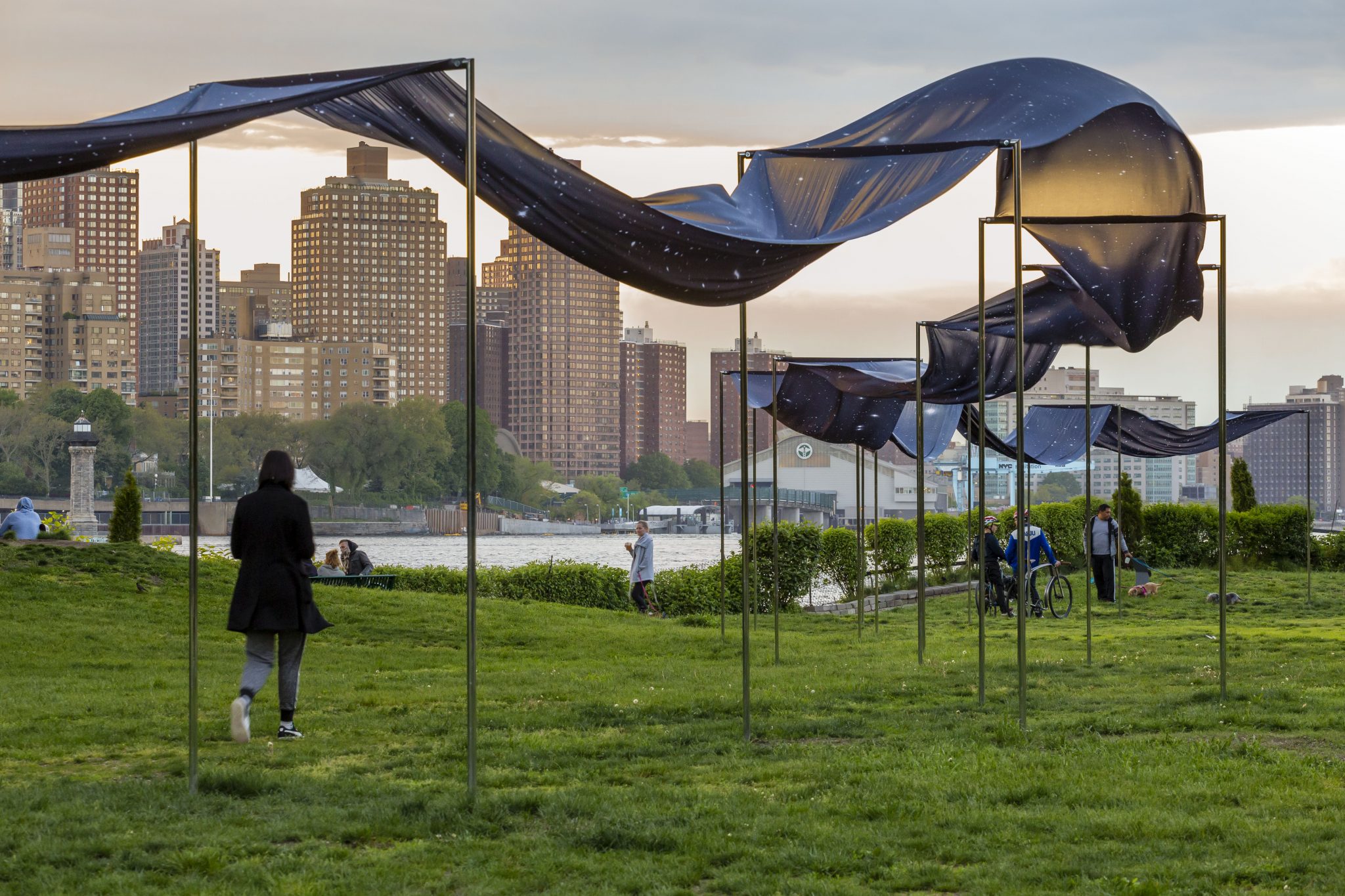

One of the cultural hotspots in Queens is the Socrates Sculpture Park. It’s a place where artists showcase their take on modern public art. The park doesn’t have a permanent collection. All artworks are displayed temporarily. Most of them are placed in an outdoor area under the open sky. Visitors can not only see the art pieces but also observe the intricate process of their creation. Learn more about this well-known public art platform on i-queens.
Who was the founder and when did it start?
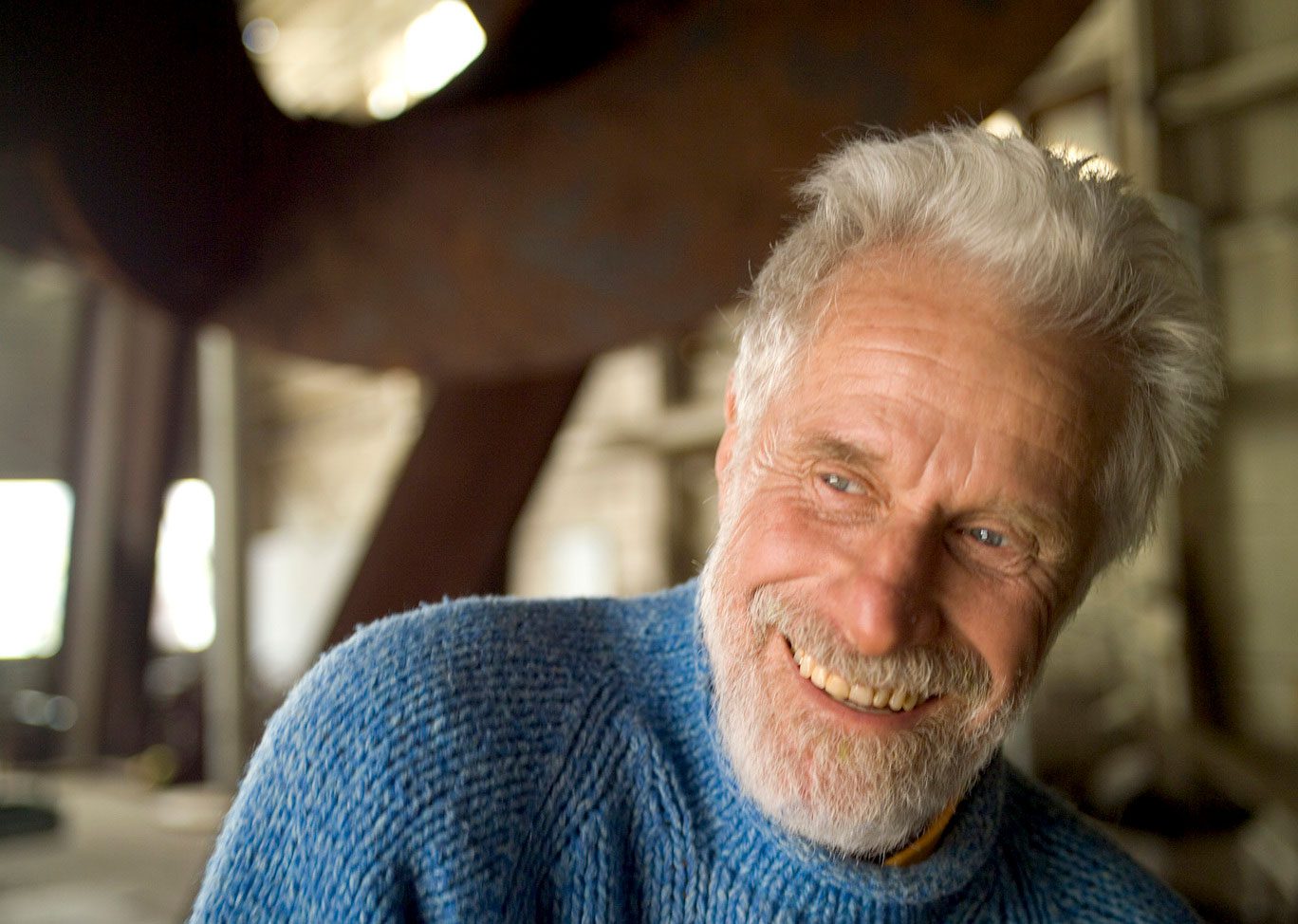
Visionary sculptor Mark di Suvero founded the space in 1986 to support artists in creating and showcasing their public art. The park originated on a deserted landfill in the Long Island City area. Born in China to Italian parents, di Suvero emigrated with his parents to the U.S. at the age of 8. Known worldwide for his innovative use of steel, di Suverohas has produced lively and energetic sculptures and paintings throughout his six-decade career. His artwork has been exhibited continuously in galleries and museums worldwide.
The park was named in honor of Socrates, a renowned Greek philosopher from Athens who is considered a pioneer of Western philosophy. Like Jesus Christ and Siddhartha Gautama (Buddha), Socrates was known for his verbal teachings. Although he never penned down his thoughts, his legacy lives on through the accounts of ancient scholars. The park aims to provide a space for artists of all levels, from novices to globally acclaimed professionals.
In 1990, Socrates Sculpture Park Inc. was formed to raise funds, oversee art programs and manage the park’s daily operations. In 1993, the NYC Department of Parks and Recreation was granted management authority over the space. Five years later, it became an official public park in NYC, ensuring safety and protection under the city’s jurisdiction. Thanks to the support of former NYC Mayor Rudy Giuliani, Queens Borough’s first female president Claire Shulman and City Councilman Walter McCaffrey, Socrates Sculpture Park has undergone numerous improvements.
Annual Program
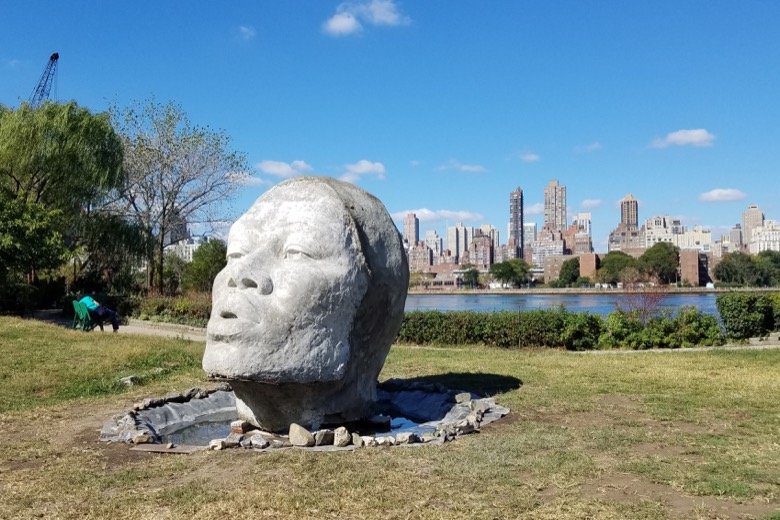
The park hosts three main visual arts projects annually: a Spring/Summer Exhibition, the Socrates Annual Fellowship Award and the Broadway Billboard Series. The Spring/Summer Exhibitions attract internationally recognized artists, including painter and sculptor Jeffrey Gibson, artist Nari Ward, conceptual artist Agnes Denes and artist Meg Webster with more to come.
Every year, a committee of judges chooses a set of individuals to be awarded The Socrates Annual Fellowship. Recipients will receive an eight-thousand-dollar stipend, along with a two-thousand-dollar honorarium. They also have access to the park’s outdoor studio, designed for large-scale art production and receive guidance and support through regular curatorial meetings and assistance from on-site and outside experts.
The exhibition, which determines the winners of the Socrates Annual Fellowship, is one of the park’s oldest programs. It serves as a platform for sculptors who are just beginning their careers and seeking experience creating art for the public. Fellows participate in networking events with alumni, showcasing their artworks not only in the exhibition but also on the Socrates Sculpture Park’s Instagram.
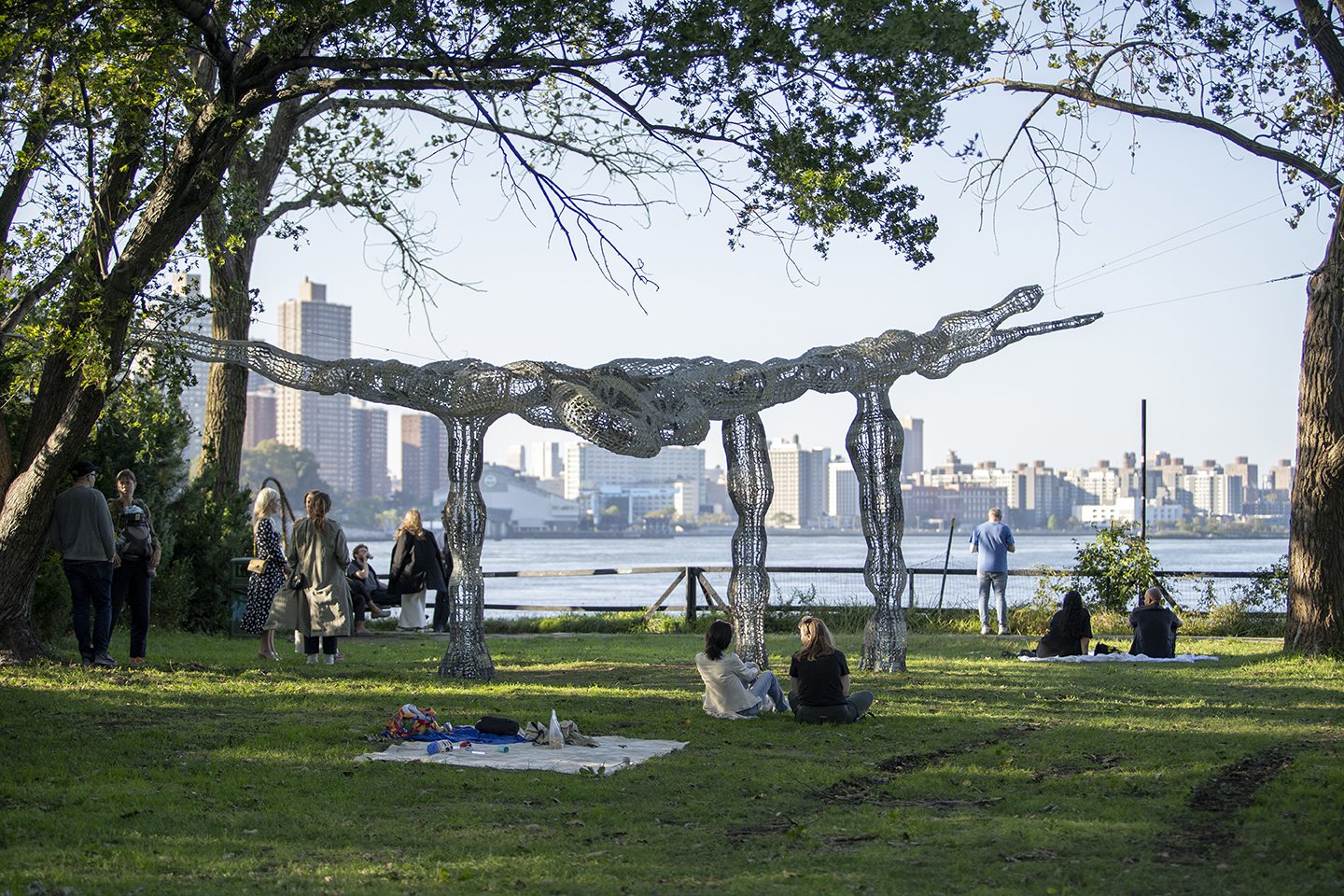
The 2024 exhibition focuses on the topic of ‘Invasive Species’. No species of animal, plant, or fungus is inherently ‘bad’ or ‘good’ as these categories do not exist in nature. However, when some organisms enter ecosystems that are foreign to them, they disrupt the order that has developed over many thousands of years. In this case, these organisms can even destroy entire ecosystems and their inhabitants. These foreign species are known as invasive species. Socrates Sculpture Park delves into this topic in the context of not only plants and animals but also people. The sculptors address the politics of settlement, highlight ancestral agricultural technologies and suggest symbiotic resonances for the future inhabitants of Earth.
The park has been showcasing Broadway Billboard, a collection of artworks commissioned by celebrities, since 1999. For instance, in response to the 2016 presidential election, in reaction to the 2016 presidential election, an exhibition was presented on the themes of democracy and American identity.
Socrates Sculpture Park gives artists the opportunity to produce and display large-scale installations in a distinctive outdoor setting. It’s a great way to connect sculptors, artworks, and the public.
Other Activities
The park not only provides exhibition space but also offers an art education program, an artist residency program and professional training. Additionally, it regularly holds workshops for aspiring artists. The park provides tours for school groups and tourists, internships for high school and college students and employment opportunities for some Borough residents.
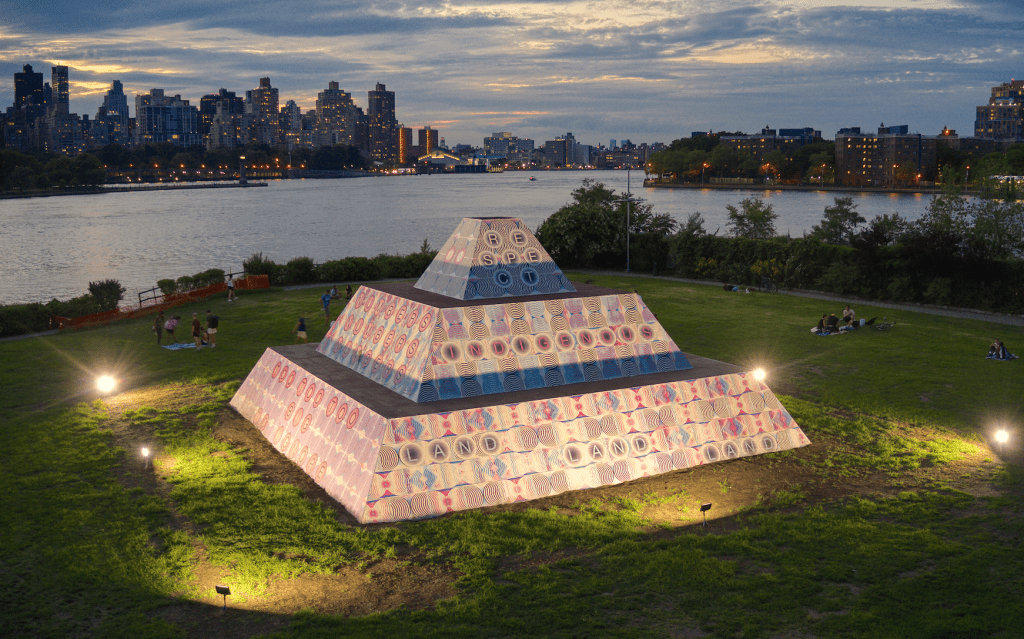
There are all kinds of public events here, like yoga classes or capoeira (an Afro-Brazilian martial art with elements of dance, music and acrobatics). From mid-July to mid-August, the park offers weekly movie screenings on Wednesdays. During the summer, the farmers’ market is worth checking out every Saturday. The park is a venue for public art, community activism and social inspiration.
Idyllic location
Socrates Sculpture Park is the largest open area in NYC that is set aside for displaying sculptures. It is located on the East River waterfront of Long Island City, across from the northern edge of Roosevelt Island. The park offers visitors a scenic view of the Hell Gate Bridge and railroad bridge. The steel arch over the East River is one of the few railroad connections between Long Island and the rest of the U.S.
Historically, the area was part of the Queens industrial waterfront, which has been used as an illegal dumping ground for decades. The park is located at the top of the mouth of the filled Sunswick Creek. The reservoir was filled in the late 1800s as the result of the industrialization of Long Island City and the resulting pollution of the creek.
Socrates Sculpture Park is an expanse where art and river breezes come together, offering a sanctuary of creativity and tranquility amidst the hustle and bustle of the city. The outdoor museum covers four acres of waterfront and provides stunning vistas of the Manhattan skyline. This blend of nature and art harmonizes into an interactive experience for lovers of creativity.
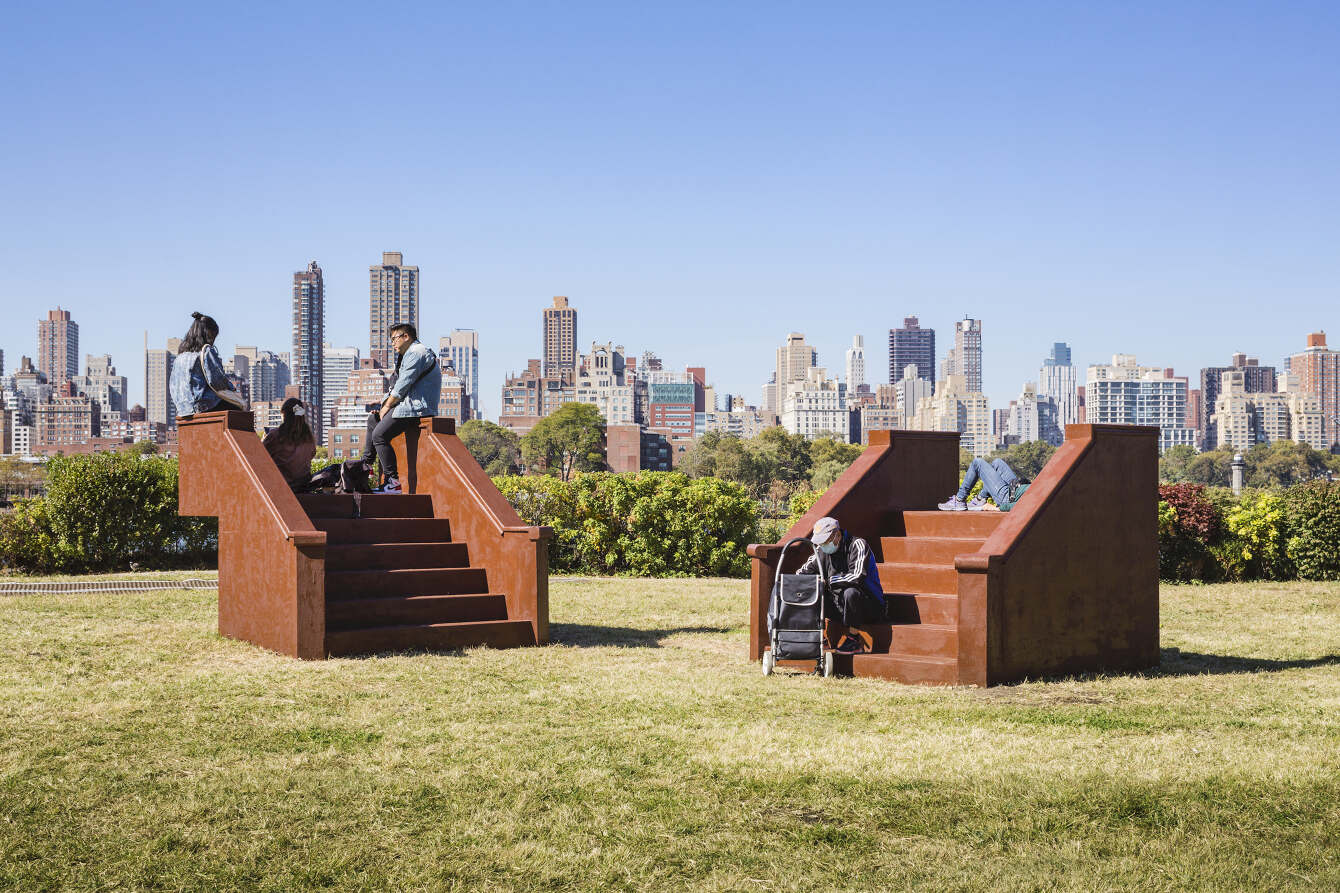
It is worth noting that a billboard has been displayed at the park’s main entrance since 1999 and it receives updates once or twice annually. Artists put a great deal of effort into creating an image that welcomes visitors to the park using prints and photography.
The history of this museum illustrates how a community can come together to establish a welcoming and cultural public space. The park has been unique since its inception. It serves as both an artistic venue and a catalyst for economic development. Started as one man’s vision to transform a vacant lot, the park has become a home for sculptors, a valuable community resource and a significant cultural establishment.