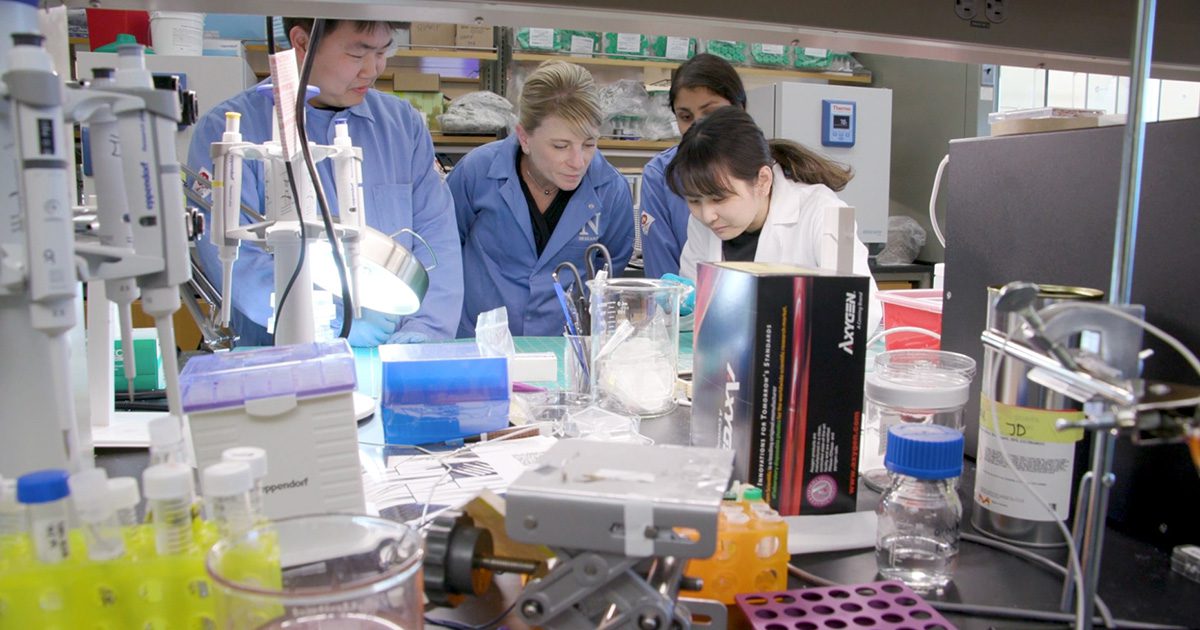

New York is often called the greatest city in the world. Did you know that many famous inventors and scientists were born here? Read more about local innovators and their products and discoveries on i-queens.
Marie Van Brittan Brown
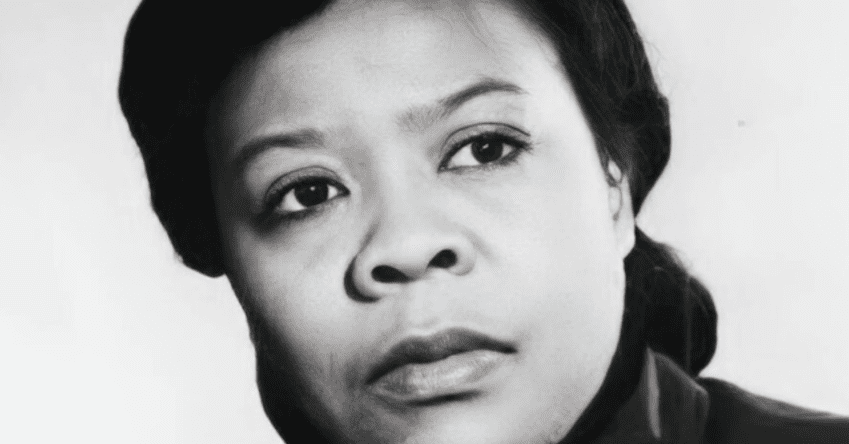
On the list of the most famous black women inventors, Marie Van Brittan Brown occupies a prominent place. In 1966, she created a home video surveillance system. The woman worked as a nurse and her husband was an electrician. They both had irregular work schedules. Marie was often forced to stay at home at night alone, so she worried about her safety. The crime rate in Queens was extremely high at the time and the police were too slow to respond to calls.
That is why Brown decided to create a home video surveillance system. She came up with a mechanism that consisted of door windows, a retractable camera, television monitors and microphones. The camera moved from eye to eye, which were placed at different levels for people of different heights. She transmitted video images to telemonitors inside the house. Thanks to them, the owners could see everyone who was standing outside the door. Marie also took care of communication. The microphone enabled a conversation between the host and those trying to get inside. With the help of the panic button, the owners could call the police in case of danger. If a person was welcomed, the door could be opened using a remote control.
In 1969, Marie and her husband patented their invention. Albert Brown was mentioned in the patent as a technical expert. Marie is considered the main inventor. Due to the high cost of the project, the invention could not be commercialized. However, the system created by Brown became a prototype for further video surveillance mechanisms. Companies began selling video surveillance systems to residential consumers only in the mid-2000s. Although the system was originally intended only for home use, many companies decided to adapt it for their purposes. Brown’s invention is used by small businesses and offices, mansions and apartment buildings.
Judith Pool
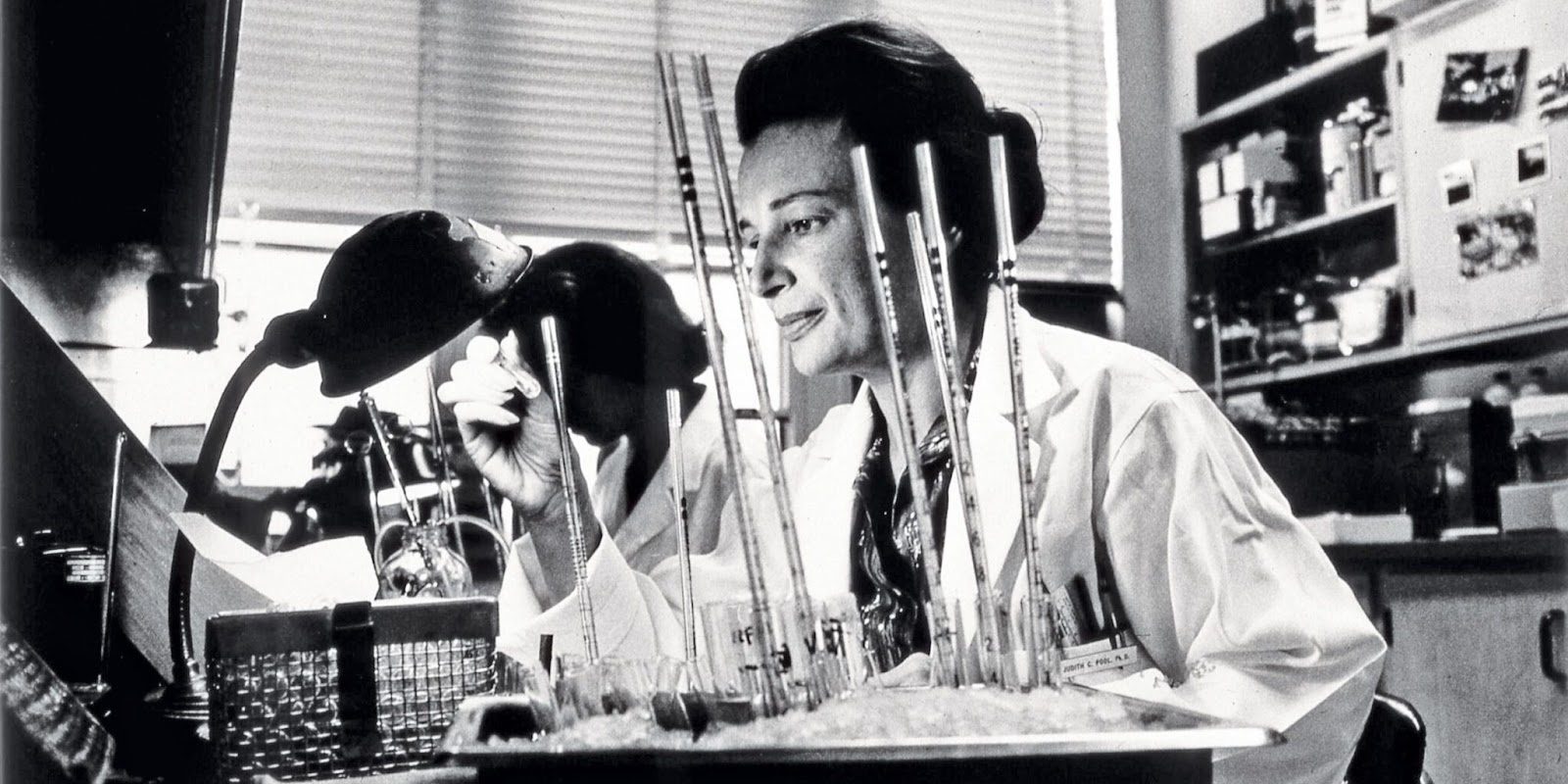
In the early 1900s, people with hemophilia who needed a transfusion could only receive fresh whole blood from a family member. Until the early 1960s, fresh-frozen plasma was transfused directly to hemophilia patients in hospitals. It contained too little clotting factor, which is why the product was administered in huge quantities. This caused heavy bleeding, which could sometimes be fatal. It was not yet known how to store blood, so the maximum life expectancy of patients was 20 years.
In 1965, physiologist Judith Pool published an article about a concentrate she had created that could be frozen and used when needed. Since then, hemophiliacs can be treated at home with injections. Pool was able to create this concentrate after discovering that the precipitate that remains after thawing plasma is rich in antihemophilic globulin (factor VIII). It is an essential blood coagulation protein that is used during blood transfusions. Factor VIII can be extracted even without special equipment. It can be re-frozen and stored for up to a year.
However, later new difficulties arose. By the mid-1980s, it was confirmed that HIV/AIDS could be transmitted through blood products. This way, about half of the people with hemophilia in the United States become infected with HIV. In the 1990s, more stringent screening methods and improved virus inactivation techniques were introduced to address this problem. Patients with hemophilia got a chance for a long, healthy and active life.
Brent Stockwell

Biologist-chemist Brent Stockwell became famous for the discovery of the process of ferroptosis in 2012. He described its key features. Ferroptosis is important for cell death in malignant tumors. Therefore, the discovery contributed to the search for cancer treatments. In general, ferroptosis is a type of programmed cell death. Intracellular iron, which is based on the accumulation of lipid oxidation products, leads to cell death.
The effectiveness of the application of the ferroptosis process during the treatment of cancer of the breast, ovaries, lungs, kidneys, brain, pancreas, hematopoietic and lymphatic systems has already been revealed. Unfortunately, not all types of oncology are susceptible to this process. In some cells, ferroptosis can even be harmful because oxidized lipids are released and suppress immunity.
Brent Stockwell has received many awards for his contributions to the non-toxic treatment of cancer. City & State recognized Stockwell as one of the best scientists, entrepreneurs and investors.
Henry Sherwood Lawrence
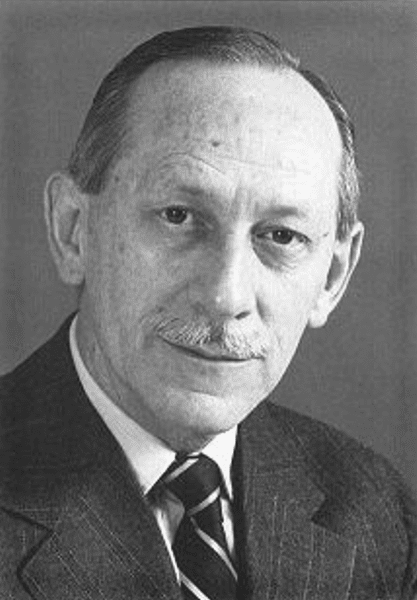
The pioneer of immunology, Henry Sherwood Lawrence, became famous for the discovery of transfer factors in 1949. These are information molecules that are memory carriers of the immune system.
While other scientists focused on the study of the immune system of animals, Lawrence focused on the human body. He made an important discovery while researching tuberculosis. Scientists investigated that immune reactions can be transferred from donor to recipient through injection of leukocyte (white blood cell) extract. A little later, the scientist concluded that this immune extract must contain factors that make it possible to transfer the donor’s immunity to the recipient. He called them transfer factors.
Further studies were conducted based on this discovery. In 1986, two scientists discovered that mothers pass transfer factors to their children through colostrum, the first milk after giving birth. The colostrum helps the child’s body cope with various pathogens. The same was discovered for the cows, transferring immunity to calves.
In 1998, David and Bianca Lisonbee launched 4Life Research, a company that creates products based on transfer factors. Scientists of this company discovered that chicken eggs also contain transfer factors. Molecules from cow’s colostrum and egg yolks surpass the efficiency of transfer factors obtained from humans. This mixture is often used in the production of natural immune correctors that can be consumed by people to strengthen the immune system.
Lisa Randall
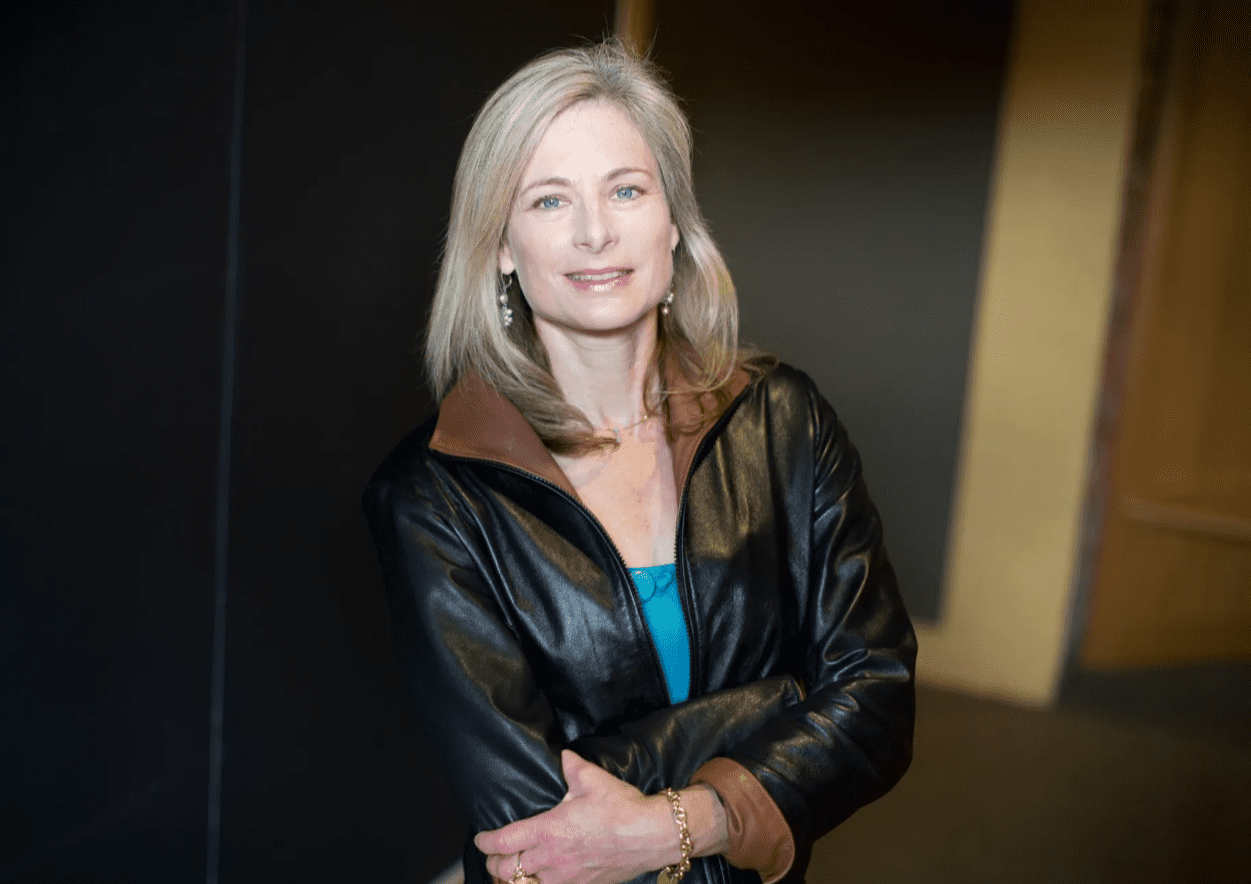
In the male-dominated field of physics, Lisa Randall debunks many myths about women’s intellectual capabilities. The physicist devoted most of her career to the study of the universe and became a leading expert in particle physics and cosmology. She explored the fundamental forces of nature and the dimensions of space. Randall is the first woman to work in the physics department at Princeton University and the first female theoretical physicist at Harvard.
In 1999, together with theoretical physicist Raman Sundrum, Randall published a theory about the Randall–Sundrum model. This discovery was the greatest achievement of the scientist. The model describes a higher-dimensional universe with a distorted geometry and serves as a tool for investigating the physics of additional dimensions. In 2005, Seed magazine listed Randall among 2005 Year in Science Icons. A year later, Newsweek named Randall one of the most promising theoretical physicists of her generation.